Logo
  • MEMBERSHIP PLANS
  • BLOGS
  • ABOUT US
  • The Role of Recovery Therapy in Performance, Longevity, and Metabolic Wellness

    Modern lifestyles in Singapore place immense, non-stop demands on our minds and bodies. From high-pressure corporate schedules in the Central Business District to grueling training regimens, urban life often forces us into a state of chronic stress and poor recovery habits. Failing to rest effectively directly depletes your daily energy reserves, impairs your cognitive focus, and destabilizes your metabolic health. Because of these challenges, elite performers are shifting away from passive rest and embracing structured recovery therapy Singapore protocols. True physical restoration acts as the ultimate engine for performance recovery, sustainable baseline energy, systemic cellular healing, and longevity wellness.

    In recent years, the local wellness landscape has witnessed a massive surge of interest in advanced modalities like cold plunge therapy and comprehensive, recovery-focused wellness routines. People are realizing that traditional, passive rest days simply cannot counter the intense, compounding stressors of modern city living. Advanced recovery is no longer an exclusive luxury reserved solely for professional athletes or elite competitors. Today, busy working executives, dedicated fitness enthusiasts, and longevity-focused individuals use these targeted therapies to protect their health. By actively optimizing your recovery habits, you build deep physical resilience, preserve metabolic wellness, accelerate tissue healing, and support your long-term wellness journey.

    • Enhanced Performance Recovery: Speeds up muscle tissue repair and rapidly restores power output after strenuous training sessions.
    • Optimized Metabolic Wellness: Balances vital metabolic markers, manages inflammation, and sustains steady, all-day cellular energy production.
    • Deep Nervous System Regulation: Shifts the body from an anxious sympathetic state into a deeply restorative parasympathetic state.
    • Long-Term Longevity Wellness: Protects cellular structures, reduces systemic oxidative stress, and preserves joint and tissue youthfulness.

    Why Has Advanced Recovery Becoming Essential for Modern Performance?

    High-achieving individuals frequently place immense, compounding physical and cognitive stress on their bodies every day. This continuous exertion triggers profound nervous system fatigue, alters deeper sleep architecture, induces mental burnout, and causes systemic metabolic stress. Without a deliberate framework to unpack this strain, cellular waste accumulates and diminishes your daily capacity.

    • Low Daily Energy: Chronic fatigue builds up over time, leaving you feeling continually drained, physically heavy, and mentally sluggish.
    • Slower Muscular Recovery: Muscle tissues remain inflamed and sore for days, which severely restricts your workout consistency and performance output.
    • Deep Sleep Disruption: Elevated cortisol profiles fragment your evening sleep cycles, preventing you from reaching deep, tissue-restoring sleep phases.
    • Diminished Physical Performance: Strength, endurance, agility, and overall power output decline steadily as structural micro-tears remain unhealed.
    • Elevated Stress Levels: An unmanaged nervous system amplifies mental anxiety, decreases emotional resilience, and accelerates occupational burnout.

    Why Is Recovery No Longer Just About Muscle Soreness?

    Modern sports science proves that effective recovery reaches far deeper than merely soothing a stiff, aching muscle after exercise. True restoration targets complete nervous system regulation, stabilizes core metabolic pathways, optimizes cellular energy output, and builds profound stress resilience. This holistic approach ensures your entire biological ecosystem stays fully optimized to support long-term physical and mental health.

    What Is the Science Behind Recovery Therapy?

    How Should We Understand Modern Recovery Therapy?

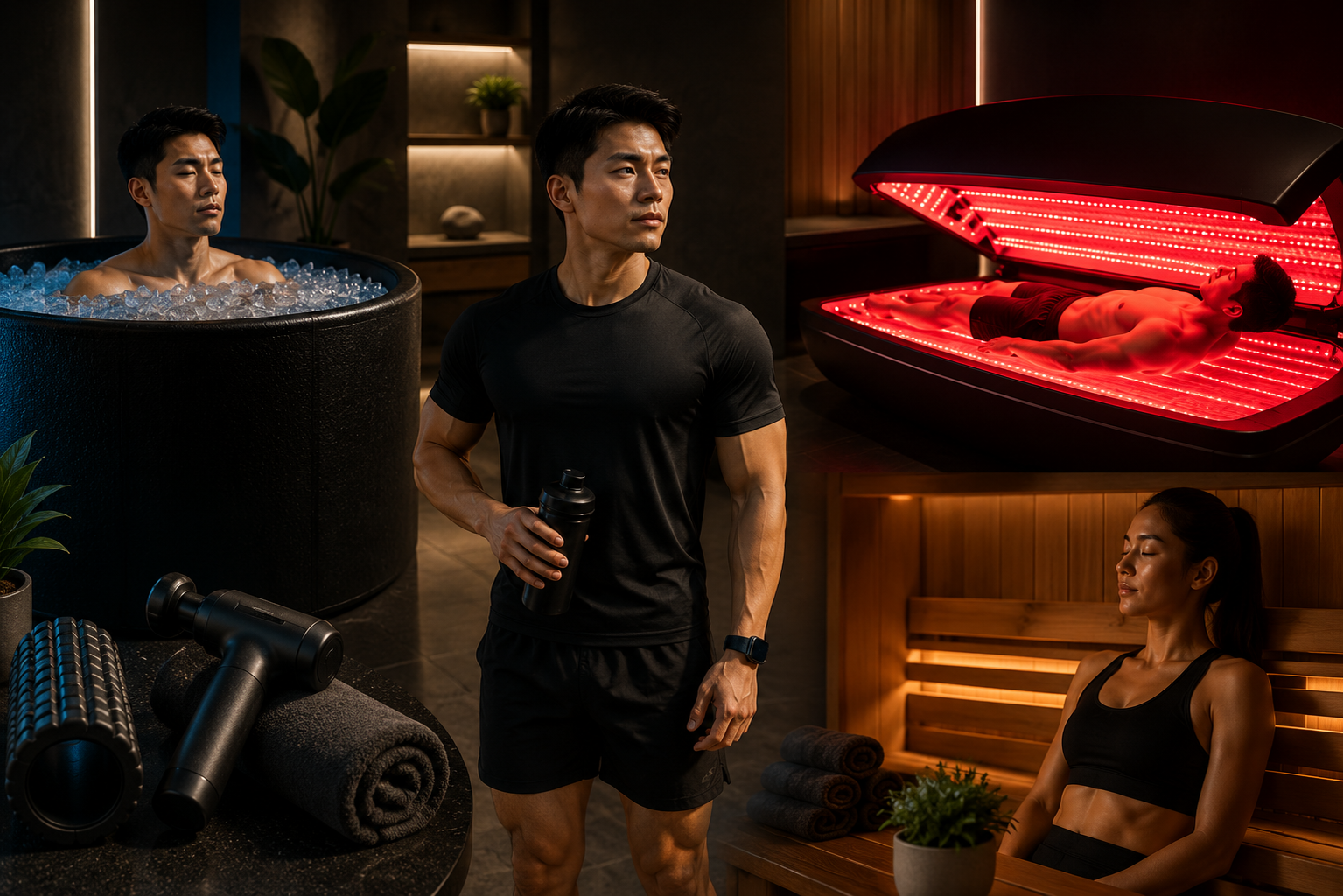
    Modern recovery therapy represents a highly specialized, science-backed discipline focused on accelerating the body’s natural cellular healing mechanisms. Instead of waiting days for passive rest to take effect, these targeted modalities actively optimize blood flow, clear out metabolic waste, and stimulate cellular regeneration. Key practices include cold plunge therapy, red light therapy, traditional dry heat saunas, compression garments, and structured mobility work.

    Why Is Recovery Therapy Growing Rapidly in Singapore?

    Our fast-paced urban environment naturally creates a high-stress lifestyle that demands advanced, efficient solutions for physical maintenance. As biohacking trends and longevity wellness movements gain mainstream popularity, local professionals are taking charge of their biological data. This growing wellness culture has transformed recovery from a reactive injury treatment into a proactive daily asset for life optimization.

    How Does a Structured Routine Impact Metabolic Wellness?

    What Exactly Is Metabolic Wellness?

    Metabolic wellness represents your body’s fundamental ability to generate, process, and utilize cellular energy efficiently. It directly governs how well you balance blood sugar levels, regulate systemic inflammation, modulate stress hormones, and cycle through deeply restorative sleep. When your metabolic health operates at its absolute peak, your body experiences steady vitality without mid-day crashes.

    How Does Poor Recovery Adversely Affect Your Metabolic Health?

    Neglecting physical and mental recovery subjects your body to chronic, unmanaged stress and persistent internal inflammation. This harmful state disrupts insulin sensitivity, elevates systemic cortisol levels, fractures sleep architecture, and leaves your cellular engines feeling entirely depleted. Over time, this metabolic imbalance sabotages your fitness progress and leaves you highly vulnerable to long-term fatigue.

    • Persistent Low Energy: Cellular energy production drops significantly, causing severe mid-day fatigue and a dependency on artificial stimulants.
    • Fragmented Sleep Cycles: Chronically elevated stress hormones prevent your brain from entering the deep, healing stages of nightly sleep.
    • Accumulated Stress Overload: The body remains locked in a high-alert state, which weakens your immune defenses and impairs mood stability.
    • Impaired Tissue Repair: A lack of metabolic support stalls your physical recovery, leaving your joints and muscles continuously weak.

    How Does Cold Plunge Support Recovery and Performance?

    What Happens to the Body During Cold Exposure?

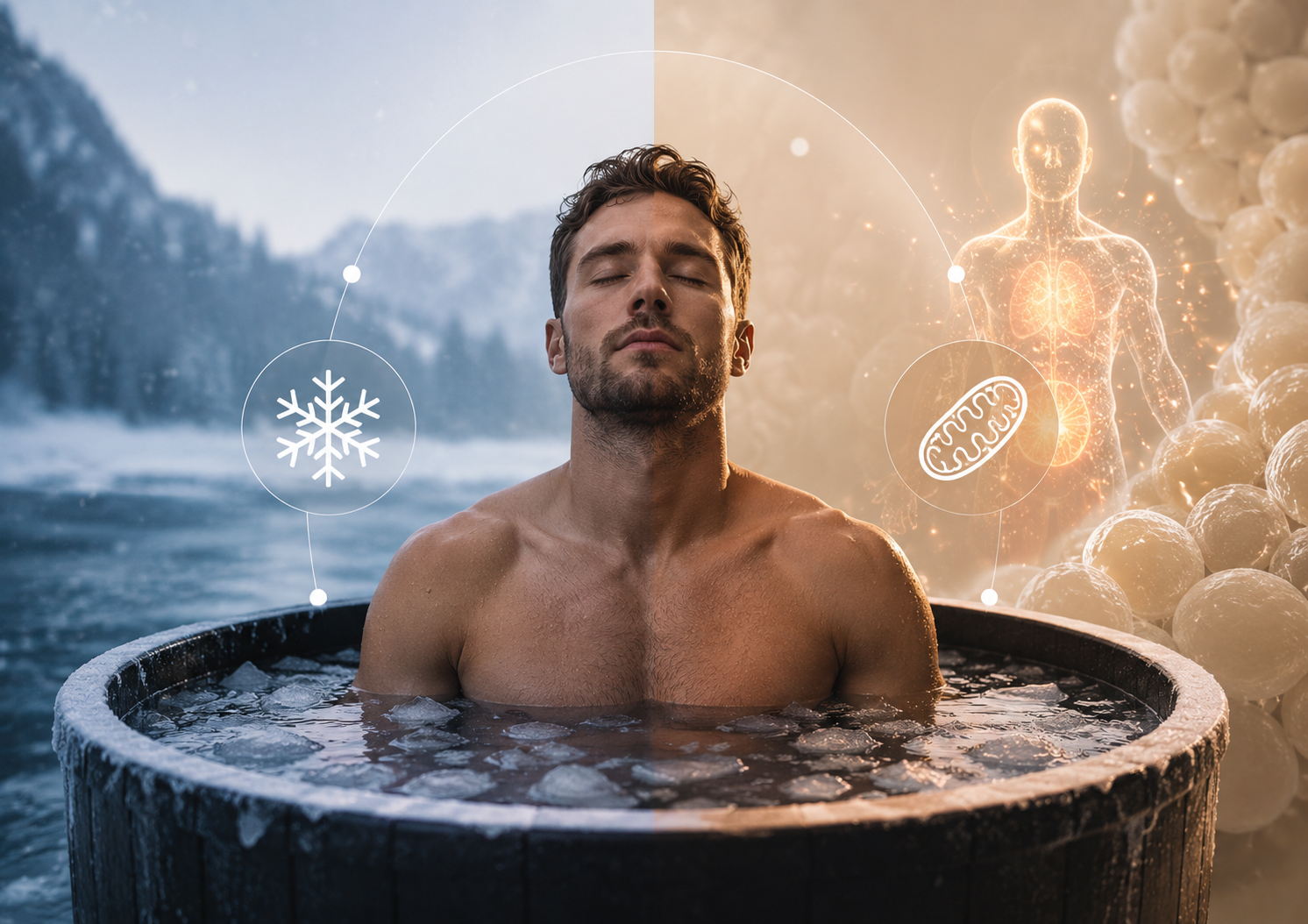
    Stepping into a specialized cold plunge triggers an immediate, survival-driven systemic shift throughout your entire body. The extreme cold causes rapid peripheral vasoconstriction, driving blood away from your skin surface and deep into your vital internal organs. Once you exit the freezing water, this oxygen-dense blood rushes back out, creating a powerful, rejuvenating circulatory flush.

    Why Is Cold Plunge Therapy Popular for Recovery?

    Fitness enthusiasts use cold immersion to rapidly lower their core body temperature and clear metabolic waste after tough workouts. This intense thermal stimulus reduces localized joint swelling, numbs acute pain signaling, and delivers a massive surge of refreshing mental alertness. It serves as an exceptional tool for optimization, teaching your autonomic nervous system to stay perfectly calm under acute stress.

    Can Cold Plunge Therapy Support Metabolic Wellness?

    Yes, deliberate cold exposure forces your body to work efficiently to maintain its core temperature, which activates beneficial brown adipose tissue. This specific metabolic activation burns calories, enhances systemic insulin sensitivity, and helps regulate your body’s overall inflammatory response. To experience these professional benefits firsthand, you can explore our premium amenities through our cold plunge service.

    • Accelerated Recovery Routines: Significantly shortens your downtime between intense training blocks, allowing you to train harder and more frequently.
    • Profound Mental Clarity: Triggers an immediate, long-lasting release of neurotransmitters like norepinephrine to sweep away afternoon brain fog.
    • Robust Stress Resilience: Trains your mind and nervous system to remain deeply composed when facing unexpected external stressors.
    • Post-Workout Recovery Optimization: Flushes out trapped cellular debris and accumulated lactic acid to eliminate deep, localized muscular stiffness.

    How Does Red Light Therapy Support Recovery and Longevity?

    What Is Red Light Therapy?

    Red light therapy utilizes precise, clinically calibrated wavelengths of red and near-infrared light to safely penetrate deep past your skin layers. This non-invasive treatment delivers healing light photons directly to your underlying muscles, connective tissues, and joints without generating excessive surface heat. It provides a highly relaxing experience that works at a foundational level to restore your physical vitality.

    How Does Red Light Therapy Support Cellular Recovery?

    The specialized light photons match perfectly with the photoreceptors in your mitochondria, which are the primary power plants inside your cells. This interaction directly supercharges the production of adenosine triphosphate (ATP), giving your cells the necessary fuel to repair themselves at an accelerated rate. Increased ATP production maximizes performance recovery, eases oxidative stress, and boosts local micro-circulation to bring fresh nutrients to damaged areas.

    Why Is Red Light Therapy Popular for Wellness and Longevity?

    Modern longevity wellness practitioners recognize that healthy aging depends entirely on maintaining structural integrity at a cellular level. By applying these specific light wavelengths regularly, individuals can manage chronic low-grade inflammation, support natural collagen synthesis, and accelerate soft tissue healing. You can learn more about our state-of-the-art systems on our red light therapy service.

    Advanced Muscle Recovery: Speeds up the natural repair of microscopic muscle tears caused by heavy weightlifting or high-endurance sports.

    • Enriched Wellness Routines: Provides a clean, non-invasive method to lower full-body inflammation and enhance daily systemic health.
    • Enhanced Relaxation Benefits: Calms a frantic, overworked nervous system, allowing for smoother transitions into deep, restorative sleep.
    • Long-Term Longevity Support: Protects cartilage, strengthens fragile tendons, and maintains overall joint mobility as you age.

    Can Recovery Therapy Improve Longevity Wellness?

    Why Is Longevity Closely Linked to Recovery?

    Living a long, vibrantly active life requires you to minimize the accumulation of chronic, unmanaged cellular damage over time. However, when you neglect recovery, ongoing systemic inflammation and elevated stress hormones break down your tissues and accelerate biological aging. Therefore, prioritizing structured recovery therapy protocols ensures your body continually repairs this minor damage before it manifests as chronic issues.

    What Is the Precise Role of Recovery in Healthy Aging?

    Dedicated recovery practices keep your muscle fibers highly pliable, protect your joint cartilage, and ensure your circulatory network functions flawlessly. This proactive maintenance preserves your functional mobility and baseline energy levels, allowing you to pursue your favorite sports for decades. True longevity wellness is built upon consistent, daily choices that support your body’s natural self-healing capabilities.

    Why Nervous System Recovery Matters for Performance Optimization?

    Physical vs. Nervous System Fatigue

    Many individuals mistake central nervous system fatigue for simple, localized muscular exhaustion after a heavy training block. While physical fatigue presents as heavy limbs and sore muscles, nervous system fatigue presents as low motivation, poor concentration, and sleep issues. If your brain is exhausted from chronic stress, your muscles cannot receive the strong bio-electrical signals required for peak physical performance. As a result, both physical output and recovery may suffer.

    Why Is Recovery Crucial for High-Level Mental Performance?

    Your brain and your body are intrinsically bound together by the vast, intricate network of the autonomic nervous system. Investing time in targeted recovery therapies actively down-regulates a hyper-reactive mind, melting away cognitive burnout and severe mental fatigue. This profound relaxation provides an executive reset, ensuring you return to your workplace with sharp focus and optimal decision-making abilities.

    • Sharper Mental Clarity: Eliminates the mental fatigue and brain fog that naturally accumulate after hours of intense corporate work.
    • Deeper Sleep Quality: Calms your internal nervous pathways so your brain can maximize time spent in deep, restorative sleep cycles.
    • Balanced Recovery Management: Prevents the onset of overtraining syndrome by keeping your sympathetic and parasympathetic states in perfect equilibrium.
    • Sustainable Stress Management: Buffers your mind against unexpected daily pressures, preserving your valuable emotional energy.

    How Do You Build a Recovery Routine for Long-Term Wellness?

    What Does a Balanced Recovery Routine Look Like?

    First and foremost, an effective, comprehensive recovery routine seamlessly blends everyday wellness habits with advanced, technology-driven therapies. Specifically, this means anchoring your lifestyle with deep sleep, precise hydration, and clean nutrition while scheduling targeted hot and cold exposures weekly. Furthermore, combining these elements provides your body with a powerful, multi-layered defense system against physical and mental exhaustion.

    How Often Should You Utilize Modern Recovery Therapy?

    For excellent, well-balanced results, most active individuals integrate dedicated recovery sessions into their schedules 2 to 3 times per week. You can align these therapeutic sessions with your most intense training days or use them on your rest days to keep your circulation moving. Listen closely to your body’s unique signals and adjust your recovery frequency to match your current lifestyle demands.

    Why Does Consistency Matter Far More Than Intensity?

    Exposing your body to random, extreme bursts of hot or cold therapy yields very little long-term physiological benefit. True, lasting biological adaptations, like improved vascular health and lowered baseline cortisol, require small, regular doses of deliberate thermal stress. Establishing a predictable, consistent recovery routine builds a robust physical foundation that keeps you feeling energized and injury-free.

    Why Is Biohacking and Recovery Culture Growing Rapidly?

    The Substantial Rise of Wellness and Biohacking Culture

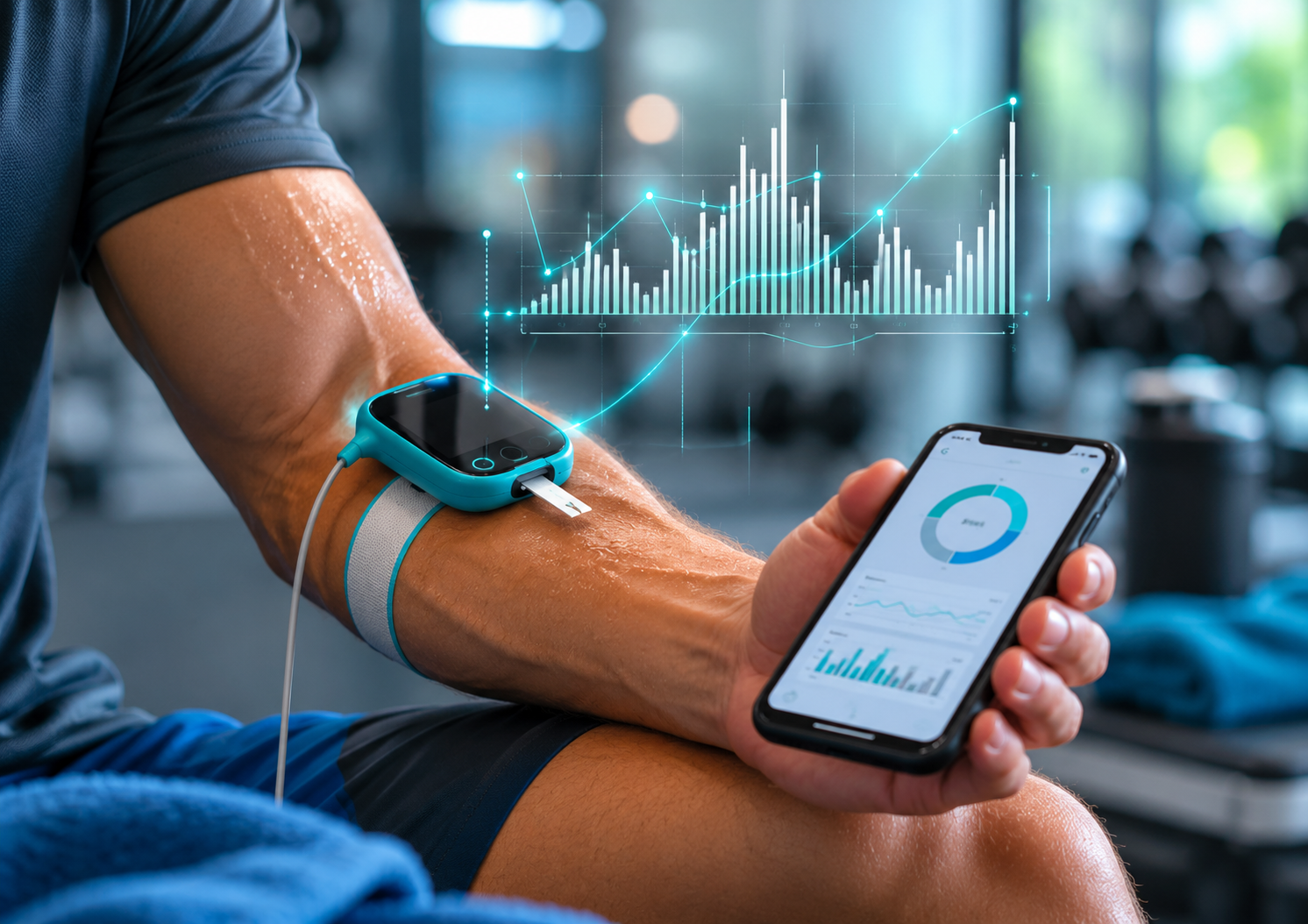
    Singapore’s health-conscious community is moving rapidly away from old-school, reactive medical treatments in favor of data-driven human optimization. Local fitness enthusiasts are utilizing advanced technology to actively monitor their sleep patterns, heart rate variability, and metabolic efficiency. This massive cultural shift has positioned specialized thermal and light-based therapies as foundational tools for achieving peak physical performance.

    Why Busy Corporate Professionals Are Investing in Recovery

    In our fast-paced city, high-performing executives face immense, unrelenting cognitive pressure and exhausting work weeks. To maintain an elite level of professional focus without sacrificing health, corporate leaders use advanced recovery to rapidly clear mental stress. These specialized therapies fit seamlessly into busy modern schedules, providing maximum physical restoration in minimal time.

    Singapore’s Deeply Growing Interest in Longevity Wellness

    With a collective focus on extending our healthy lifespan, local communities are prioritizing long-term physical mobility and metabolic health. Furthermore, people recognize that staying active and vibrant in later decades requires a dedicated commitment to joint and cellular maintenance today. Advanced recovery therapies provide the essential infrastructure needed to support a long, highly energetic lifestyle.

    Experience Elite Recovery Therapy at RAPIDÉ

    RAPIDÉ stands as Singapore’s premier luxury wellness sanctuary, offering a meticulously designed, clinician-curated environment focused entirely on your physical restoration. We house state-of-the-art cold plunges alongside authentic, traditional Finnish saunas to provide an unparalleled contrast therapy experience. Moreover, every protocol we offer is fully structured to optimize your cardiovascular health, accelerate cellular repair, and calm your nervous system. Whether your goal is bouncing back from an intense training block or escaping the relentless stress of urban life, our peaceful sanctuary provides the ultimate space to restore your vitality. Experience the transformational impact that professional, science-backed recovery makes for your daily energy, athletic longevity, and performance.

    Take complete control of your physical longevity and unlock your body’s true performance potential today. Discover our tailored solutions for recovery for athletes, or book your custom session on our specialized contrast therapy to experience deep cellular healing.

    Frequently Asked Questions About Recovery Therapy

    What is recovery therapy?

    Recovery therapy represents a specialized, evidence-based discipline that utilizes advanced physical modalities to accelerate the body’s natural cellular healing processes. Rather than relying on passive rest alone, it uses targeted techniques like cold immersion, deep infrared or dry heat exposure, and specific light wavelengths. These methods maximize circulation, reduce tissue inflammation, balance nervous system fatigue, and restore physical energy profiles efficiently.

    Can recovery therapy improve performance?

    Yes, a structured recovery routine directly elevates your athletic performance by dramatically reducing the downtime required between intense physical workouts. Rapidly healing structural muscle tears and removing metabolic waste products allows you to return to your training sessions far sooner. This consistency optimizes your strength gains, improves endurance capacity, and protects you against debilitating overuse injuries.

    Is cold plunge therapy good for recovery?

    Cold immersion stands as one of the most effective, scientifically validated tools available for crushing acute post-workout muscle soreness and tissue inflammation. The ice-cold water causes immediate vasoconstriction, which actively pushes cellular debris away from your fatigued extremities. When you exit the plunge, fresh, oxygenated blood floods your muscle tissues to jumpstart the healing process.

    Does red light therapy help muscle recovery?

    Yes, red light therapy works at a fundamental cellular level by delivering healing light photons deep into your underlying muscle tissues. These photons stimulate the mitochondria to increase ATP production, providing your cells with the precise energy required to repair themselves quickly. This advanced cellular support significantly limits post-exercise muscle soreness, enhances tissue elasticity, and accelerates overall recovery.

    Can recovery therapy support metabolic wellness?

    Yes, advanced recovery therapies play a massive role in regulating chronic stress hormones and reducing systemic inflammation throughout the body. Lowering baseline cortisol levels and optimizing sleep patterns directly improves your body’s insulin sensitivity and energy expenditure. This consistent physiological support ensures your metabolic pathways function cleanly, preventing sudden energy crashes during the day.

    Why is recovery important for longevity?

    Long-term longevity depends entirely on your ability to continuously manage minor cellular stress before it develops into permanent structural damage. Regular use of specialized recovery modalities controls low-grade inflammation, preserves joint mobility, and maintains optimal cardiovascular health as you age. Prioritizing active recovery today ensures your body remains vibrantly functional and full of energy for decades to come.

    How often should you do recovery therapy?

    Most individuals achieve exceptional, highly sustainable health benefits by scheduling targeted recovery sessions 2 to 3 times per week. This frequency allows you to manage the physical strain of your busy work week or intense exercise routine without overtaxing your system. Always listen closely to your body’s feedback and scale your recovery sessions to match your current stress levels.

    Is recovery therapy popular in Singapore?

    Yes, recovery therapies are experiencing a massive surge in popularity across Singapore as local communities embrace proactive biohacking and longevity wellness trends. Busy corporate executives and fitness enthusiasts use these advanced modalities to manage fast-paced urban lifestyles. It has grown into an essential lifestyle practice for anyone looking to balance high-pressure careers with peak physical health.

    Can recovery therapy help reduce stress?

    Yes, specialized hot and cold therapies provide a powerful physical stimulus that actively down-regulates an overstimulated, hyper-reactive sympathetic nervous system. This intentional exposure triggers a deep shift into a peaceful parasympathetic state, which drops baseline anxiety and clears mental fatigue. It leaves you feeling deeply relaxed, mentally grounded, and emotionally resilient.

    What recovery therapies support wellness optimisation?

    Combining deliberate cold plunge therapy, traditional dry heat saunas, whole-body cryotherapy, and advanced red light therapy provides the most complete framework for full-body optimization. Alternating between hot and cold environmental conditions conditions your vascular system, while targeted light wavelengths repair your body at a cellular level. Utilizing these advanced treatments together ensures your mind, muscles, and metabolic pathways recover simultaneously.

    Conclusion

    Sustaining a highly successful, active lifestyle in a demanding urban environment like Singapore requires an absolute commitment to your physical recovery. True healthspan, daily mental focus, and peak physical performance cannot be achieved through hard training or relentless work alone; they depend entirely on how effectively you allow your body to heal. Advanced recovery therapy serves as the vital foundation that connects your day-to-day output with long-term metabolic health and structural longevity. Modalities like professional cold plunging and targeted red light therapy are highly efficient tools that allow you to take complete control of your biological well-being. Stop treating physical rest as an optional luxury, and start treating your restoration as an active investment in your future. Book a personalized discovery session at RAPIDÉ today, and experience how our clinician-curated recovery protocols can completely transform your health journey.

    Can Blood Sugar Spikes Affect Muscle Recovery? The Link Between Metabolic Health and Recovery Performance

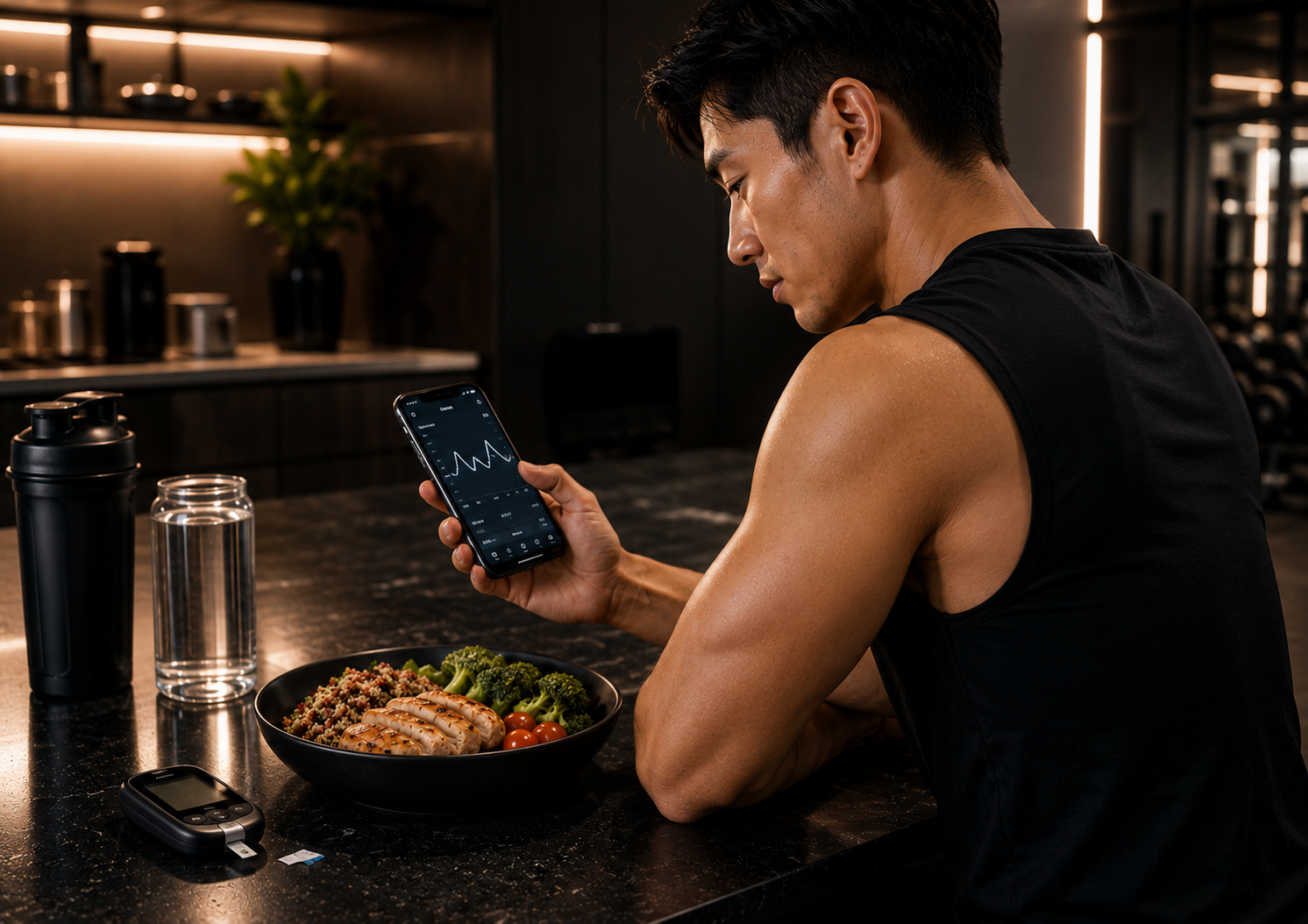
    Most people focus on workouts, protein intake, and training intensity when trying to improve recovery. However, recovery involves more than muscles and diet. Your metabolic health also plays an important role in your body’s responsiveness towards physical stress, fatigue, and exercise.

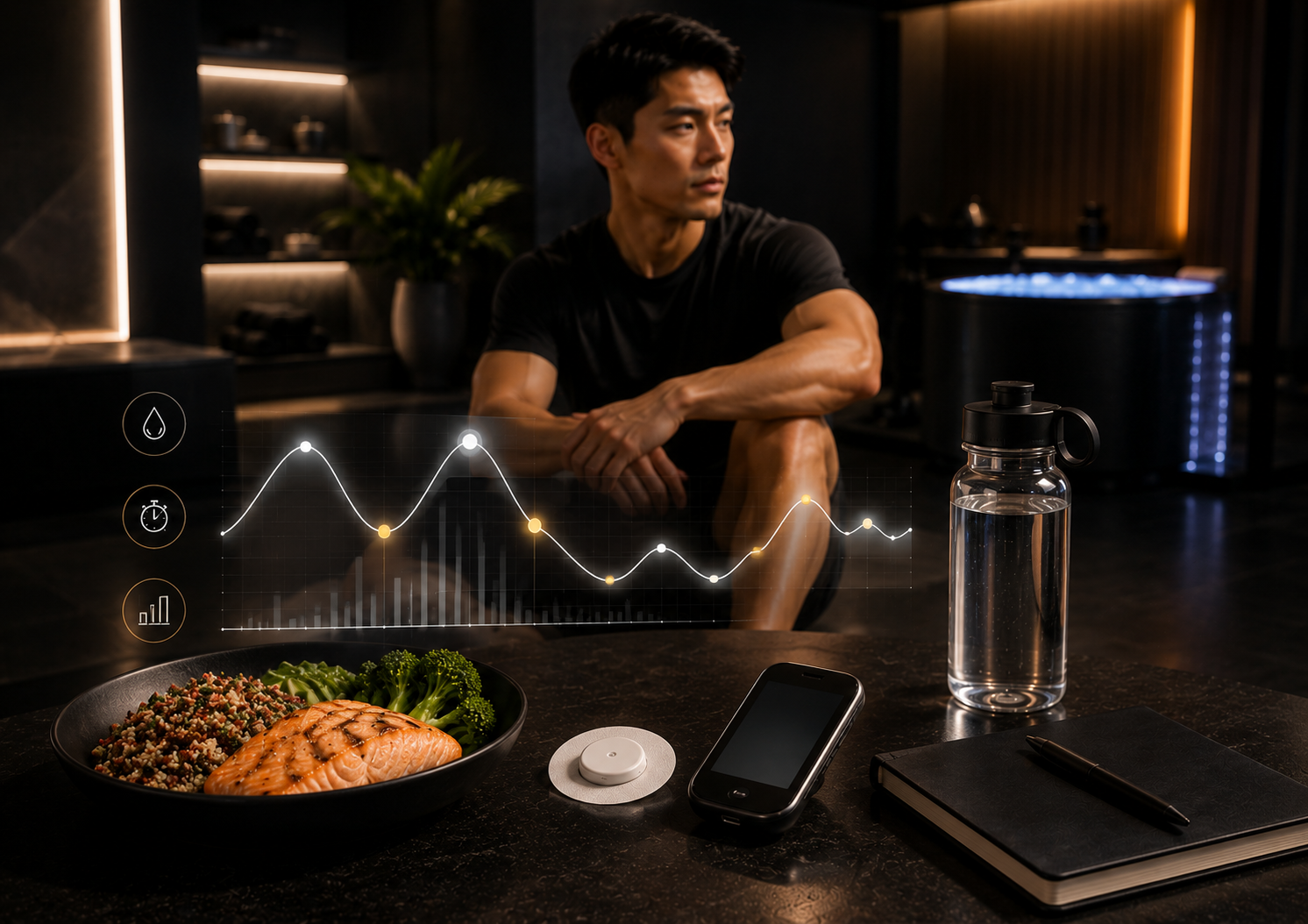
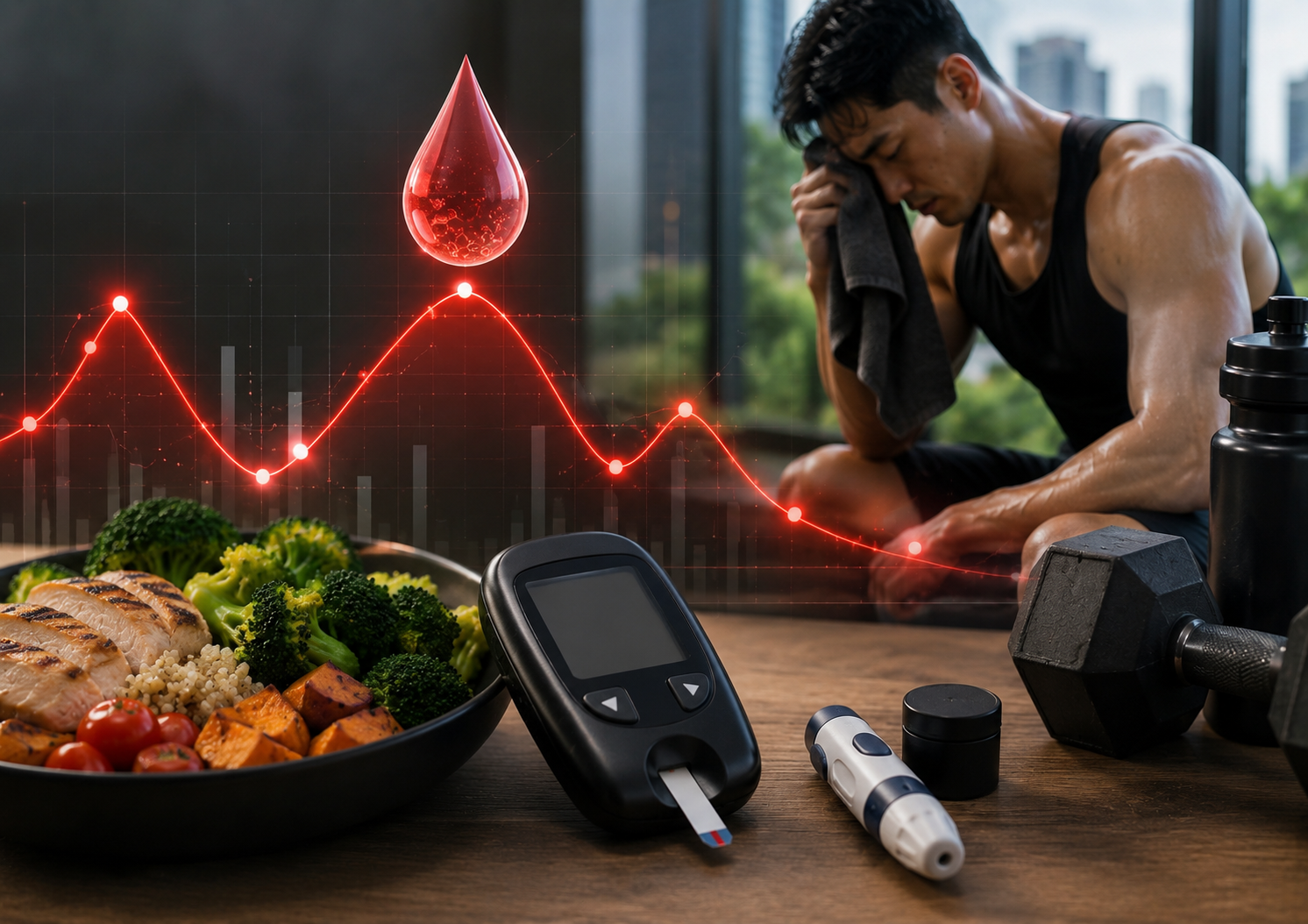
    Blood sugar spikes may affect energy levels, sleep quality, inflammation response, and recovery consistency. Over time, unstable blood sugar levels can influence physical performance, recovery speed, and overall wellness.

    This is why more athletes, professionals, and wellness-focused individuals pay attention to metabolic wellness apart from their recovery routine.

    At RAPIDÉ, recovery-focused wellness therapies like cold plunge and red light therapy are increasingly used to support recovery optimisation, stress management, and overall wellness.


    What Are Blood Sugar Spikes?

    Blood sugar spikes happen when glucose levels rise rapidly after eating certain foods, especially highly processed carbohydrates or sugary meals. The body responds by releasing insulin to help regulate glucose levels.

    Occasional blood sugar fluctuations are normal. However, frequent spikes followed by sudden drops may affect energy, mood, focus, and recovery performance.

    Many people experience these fluctuations without realising their recovery may also be affected.

    According to Harvard Health Publishing, excessive sugar intake and poor carbohydrate quality may negatively affect metabolic health, highlighting the importance of maintaining better blood sugar balance.


    Why Does Blood Sugar Stability Matter for Recovery?

    Recovery depends on the body’s ability to restore balance after physical or mental stress. This includes muscle repair, nervous system recovery, sleep quality, and energy restoration.

    When blood sugar levels fluctuate too often, the body may struggle to maintain stable energy levels throughout the day, making recovery feel inconsistent.

    Frequent blood sugar spikes may contribute to:

    • Energy crashes
    • Fatigue
    • Poor sleep quality
    • Increased stress response
    • Reduced recovery consistency
    • Brain fog

    Stable energy availability supports better recovery performance and overall metabolic wellness.


    Can Blood Sugar Spikes Affect Muscle Recovery?

    Yes, blood sugar fluctuations may influence several recovery-related processes in the body. Recovery is not only about resting muscles after exercise. The body also needs stable energy, proper sleep, balanced stress levels, and efficient metabolic function to recover properly.

    Recovery requires energy. After exercise or physical stress, the body works to restore muscles, regulate inflammation, replenish energy stores, and support nervous system recovery. Large fluctuations in blood sugar may interfere with how consistently the body manages these processes.

    When blood sugar rises rapidly and then drops quickly, many people experience energy crashes, fatigue, and reduced mental focus. This can affect how the body feels during recovery periods, especially after intense workouts or physically demanding days.

    Over time, repeated blood sugar spikes may also increase stress on the body. Poor metabolic balance can contribute to:

    • Increased fatigue
    • Reduced recovery consistency
    • Poor sleep quality
    • Low energy levels
    • Higher stress response
    • Slower post-workout recovery feelings

    Stable energy availability helps the body maintain more balanced recovery processes.

    Why Does Recovery Require Stable Energy?

    Muscle recovery depends on more than rest alone. The body needs steady energy availability to support tissue repair, recovery adaptation, and physical resilience.

    When energy levels crash after sudden glucose spikes, many people feel:

    • Drained after workouts
    • Mentally fatigued
    • Less physically recovered
    • Low on energy throughout the day

    Over time, poor metabolic balance may affect workout consistency and recovery quality.

    How Can Blood Sugar Fluctuations Affect Recovery Performance?

    Blood sugar instability may contribute to:

    • Increased fatigue
    • Slower recovery feeling
    • Reduced physical readiness
    • Sleep disruption
    • Mental exhaustion
    • Stress overload

    This does not mean occasional spikes immediately damage recovery. However, long-term metabolic imbalance may make recovery less efficient.

    When blood sugar levels rise and fall too quickly, the body may struggle to maintain stable energy throughout the day. Many people experience sudden energy crashes, reduced focus, and inconsistent workout performance without realising that metabolic wellness may be contributing to the problem. Over time, these fluctuations can also affect stress resilience and nervous system recovery.

    Poor metabolic balance may make it harder for the body to adapt to physical stress after exercise. This is why modern recovery-focused wellness now includes metabolic wellness, nervous system recovery, sleep quality, and lifestyle balance instead of focusing only on muscle soreness or physical fatigue alone.

    Why Are Athletes Paying More Attention to Metabolic Health?

    Athletes and active individuals now understand that recovery is closely connected to energy management and metabolic balance.

    Training creates physical stress on the body. Without proper recovery, fatigue can accumulate quickly.

    Many performance-focused individuals monitor:

    • Sleep quality
    • Stress levels
    • Recovery consistency
    • Blood sugar stability
    • Nervous system fatigue

    This shift has increased interest in recovery optimisation and metabolic wellness strategies.

    According to the National Institutes of Health (NIH), metabolic health and recovery processes are closely linked to physical performance and long-term wellness.

    How Do Stress and Sleep Affect Blood Sugar and Recovery?

    Stress and poor sleep quality can significantly affect metabolic wellness. When the body experiences chronic stress, cortisol levels may remain elevated for longer periods. This can affect glucose regulation, recovery balance, and energy stability.

    Poor sleep may affect:

    • Recovery quality
    • Hunger regulation
    • Stress management
    • Energy recovery
    • Physical performance

    Over time, inconsistent sleep and chronic stress may lead to fatigue, reduced focus, slower recovery, and energy crashes throughout the day. Many people also notice reduced workout performance and increased mental exhaustion when recovery remains incomplete for extended periods. This is why recovery-focused wellness routines now place strong importance on sleep quality, nervous system recovery, and stress management as part of overall metabolic health and long-term performance optimisation.

    Why Is Nervous System Recovery Important?

    The nervous system helps regulate recovery, stress adaptation, energy balance, and overall physical readiness. When the body remains under constant physical or mental stress, the nervous system may struggle to recover properly. This can affect sleep quality, focus, mood, and recovery consistency over time.

    When recovery remains incomplete for long periods, many people begin experiencing:

    • Brain fog
    • Fatigue
    • Reduced focus
    • Mood changes
    • Poor sleep
    • Slower recovery after workouts

    Long-term nervous system fatigue may also affect motivation, energy levels, and daily performance. This is one reason recovery-focused wellness therapies are becoming more popular in Singapore, especially among professionals, athletes, and individuals focused on long-term wellness and performance optimisation.

    Can Recovery Therapies Support Metabolic Wellness?

    Recovery therapy is no longer used only for athletes. Many now use recovery-focused wellness therapies to support stress management, relaxation, circulation, and recovery optimisation.

    Cold plunge therapy and red light therapy is increasingly included in wellness routines to focus on recovery and metabolic wellness.

    Modern recovery therapies are also becoming popular among professionals, fitness enthusiasts, and wellness-focused individuals who want to improve energy levels and reduce daily fatigue. Consistent recovery routines may help the body manage physical and mental stress more effectively while supporting nervous system balance and overall wellness. As awareness around metabolic health grows, more people are incorporating recovery-focused therapies into their long-term wellness and performance routines.

    How Cold Plunge Therapy Support Recovery?

    Cold plunge therapy exposes the body to controlled cold temperatures for short periods. Many people use cold exposure to support recovery routines and improve mental resilience.

    Cold exposure may help support:

    • Alertness
    • Recovery adaptation
    • Circulation stimulation
    • Stress resilience
    • Post-workout recovery

    Many users also report feeling mentally refreshed after cold plunge sessions.

    If you want to explore guided recovery-focused sessions, book your first session.

    Cold Plunge Therapy in Singapore →

    How Red Light Therapy Support Recovery and Wellness?

    Red light therapy is commonly used to support restorative wellness and recovery-focused routines.

    This therapy uses specific wavelengths of light that may support circulation, recovery optimisation, and cellular wellness.

    Many people include red light therapy in their wellness routine to support:

    • Muscle recovery
    • Relaxation
    • Recovery consistency
    • Wellness optimisation
    • Post-workout recovery

    Interest in red light therapy has grown rapidly among individuals focused on longevity, wellness, and recovery performance.

    If you want to explore guided recovery-focused sessions, book your first session.

    Red Light Therapy Sessions in Singapore

    Signs Your Recovery and Metabolic Health Need More Attention?

    Many people ignore recovery warning signs until fatigue becomes difficult to manage. Recovery imbalance often develops gradually, which makes the symptoms easy to overlook in daily life.

    Common signs may include:

    • Energy crashes during the day
    • Poor sleep quality
    • Slow recovery after workouts
    • Constant fatigue
    • Brain fog
    • Increased stress levels
    • Reduced physical performance
    • Feeling drained despite rest

    Some people may also notice reduced motivation, difficulty concentrating, mood fluctuations, or lower workout consistency. Over time, poor recovery habits and metabolic imbalance can affect both physical and mental performance. If these symptoms happen regularly, it may help to review your recovery habits, stress levels, sleep quality, and overall metabolic wellness to support better long-term recovery and energy balance.

    How Can You Support Better Recovery and Metabolic Balance?

    Improving recovery often starts with small, consistent habits.

    Focus on Recovery Consistency

    Recovery should become part of your lifestyle instead of something used only after intense workouts.

    Consistency usually matters more than intensity.

    Improve Sleep and Stress Management

    Quality sleep supports:

    • Nervous system recovery
    • Energy regulation
    • Physical recovery
    • Metabolic wellness

    Reducing stress may also improve recovery consistency.

    Build Recovery Into Your Weekly Routine

    Many people now include:

    • Mobility work
    • Recovery-focused exercise
    • Cold plunge sessions
    • Red light therapy
    • Breath work
    • Relaxation practices

    into their weekly wellness routine.

    Why Do Recovery and Metabolic Wellness Matter for Long-Term Performance?

    Performance is not only about pushing harder. Long-term performance also depends on recovery quality, stress management, and metabolic balance.

    When recovery improves, many people notice:

    • Better energy levels
    • Improved focus
    • Better workout consistency
    • Improved resilience
    • More sustainable wellness habits

    Recovery-focused wellness has become an important part of modern performance optimisation and longevity-focused lifestyles.

    For a deeper understanding of how recovery supports wellness and longevity, read our detailed guide: The Role of Recovery Therapy in Performance, Longevity, and Metabolic Wellness.

    Frequently Asked Questions

    Can blood sugar spikes affect muscle recovery?

    Frequent blood sugar fluctuations may affect energy stability, recovery consistency, sleep quality, and physical performance.

    Does metabolic health affect athletic performance?

    Yes. Energy regulation, stress management, and recovery balance all influence physical performance and recovery quality.

    Can poor sleep affect blood sugar levels?

    Poor sleep may affect glucose regulation, stress hormones, and recovery performance.

    Can cold plunge therapy support recovery?

    Many people use cold plunge therapy to support recovery routines, alertness, and recovery adaptation.

    Does red light therapy help recovery?

    Red light therapy is commonly used to support recovery optimisation, circulation, and wellness-focused recovery routines.

    Why is recovery important for long-term wellness?

    Recovery supports physical resilience, nervous system balance, energy management, and overall wellness consistency.

    Conclusion

    Recovery and metabolic wellness are closely connected. While workouts and nutrition remain important, recovery quality also depends on factors like stress management, sleep, energy balance, and metabolic health.

    Frequent blood sugar spikes may influence recovery consistency, fatigue levels, and overall physical performance over time.

    That is why modern recovery-focused wellness now includes strategies that support both physical recovery and metabolic wellness.

    At RAPIDÉ, recovery therapies like cold plunge and red light therapy are designed to support wellness, recovery optimisation, and long-term performance-focused lifestyles.

    The Ultimate Guide to Athlete Recovery in Singapore: Fast-Track Your Performance

    Every athlete in Singapore knows that training is only half the battle won. Whether you are smashing a hybrid workout at the Downtown Core, running along East Coast Park, or hitting a grueling CrossFit session, your fitness progress depends entirely on how well you heal. True athletic growth does not just happen during your high-intensity workout; it happens when you give your body the premium care it deserves. At RAPIDÉ, Singapore’s premier wellness sanctuary, we completely redefine how sports enthusiasts bounce back from intense physical exertion. True recovery is an active investment in your athletic longevity, not just a lazy day of sitting on the couch. By combining cutting-edge recovery science with time-tested modalities, we help you unlock your body’s true potential and dominate your sport.

    Why Is Active Athlete Recovery Crucial After Heavy Workouts?

    Our intense tropical climate adds an extra layer of stress to your body during outdoor training sessions and indoor workouts. When you crush a heavy workout, your muscle fibers experience microscopic tears, and metabolic waste builds up quickly. Without a strategic athlete recovery routine, this leads to prolonged muscle soreness, decreased power output, and a much higher risk of injury. Professional athlete recovery accelerates the removal of these cellular byproducts and floods your muscles with fresh, oxygenated blood. This deliberate process significantly shortens your downtime, allowing you to return to your sport faster, stronger, and completely injury-free. If you want to maintain a competitive edge in Singapore’s thriving fitness community, professional athlete recovery is non-negotiable.

    • Accelerated Muscle Repair: Speeds up the cellular healing process to repair micro-tears in muscle tissue quickly.
    • Enhanced Metabolic Clearance: Flushes out accumulated lactic acid and metabolic waste products efficiently.
    • Reduced Inflammatory Response: Lowers systemic inflammation, which directly minimizes post-exercise muscle soreness.
    • Restored Range of Motion: Relieves tight muscles and connective tissues to maintain optimal joint mobility.
    • Autonomic Nervous System Balance: Shifts your body from a stressed sympathetic state into a deeply healing parasympathetic state.

    What Is Cold Plunge and How Does It Help with Recovery?

    A premium cold plunge involves immersing your body in ice-cold water, typically ranging from 4°C to 10°C, for a few short, powerful minutes. This sudden temperature drop triggers a systemic response that constricts your blood vessels and drives blood away from your extremities toward your core. For local sports enthusiasts, this cold immersion serves as an immediate reset button after enduring a high-intensity workout in Singapore’s heat. When you step out of our cold plunge service, your blood vessels dilate rapidly, rushing oxygen-rich blood back to your fatigued muscles. This powerful pumping mechanism reduces localized swelling, numbs pain receptors, and provides a massive surge of endorphins. It remains one of the most effective tools available for crushing acute muscle soreness after a brutal training session. Learn more about the exact physiological benefits on our comprehensive cold plunge blog page.

    Why Choose Cold Water Immersion?

    Stepping into an ice bath forces your mind and body to adapt to acute thermal stress instantly. This practice builds immense mental resilience while providing a profound physical reboot that passive rest simply cannot match. Runners and triathletes utilize this method to drop their core body temperature rapidly after long mid-day training sessions. It provides an immediate sense of physical relief and leaves you feeling completely revitalized for your next session.

    • Immediate Vasoconstriction: Narrows blood vessels to dramatically decrease localized swelling and internal muscle inflammation.
    • Natural Pain Relief: Slows down nerve conduction velocity, acting as an all-natural analgesic for aching joints.
    • Central Nervous System Reset: Delivers an instant surge of norepinephrine, boosting mental clarity and fighting physical fatigue.
    • Thermal Regulation: Quickly drops your core body temperature after intense training sessions in humid weather.
    • Enhanced Immune Function: Stimulates white blood cell production, helping your body maintain its peak natural defenses.

    How Does Finnish Sauna Drive Deep Muscular Recovery?

    Unlike modern infrared alternatives, an authentic, traditional Finnish sauna utilizes dry heat radiating from heated rocks, maintaining temperatures between 80°C and 100°C. Stepping into this intense, dry heat forces your cardiovascular system to work efficiently, mimicking the subtle effects of light exercise. Your heart rate rises, your blood vessels dilate, and your peripheral circulation increases by up to 100%. This massive boost in blood flow delivers vital nutrients and amino acids directly to your damaged muscle tissues. The deep, penetrating heat relaxes stubborn muscle spasms, improves tissue elasticity, and helps flush out metabolic toxins through heavy sweating. It provides a profoundly deeply relaxing experience that melts away both physical and mental tension after a stressful week. You can explore our premium facilities on our Finnish sauna service or read deep-dive guides on our Finnish sauna, its benefits, recovery, and wellness science.

    How Does Dry Heat Therapy Optimize Athletic Longevity?

    Regular heat exposure stimulates cellular repair mechanisms that protect your body against future muscle stress. This traditional practice serves as a cornerstone for elite athlete recovery routines across the globe. Sweating out heavy metals and metabolic waste cleanses your pores while easing the workload on your kidneys and liver. It offers a peaceful, meditative environment where you can completely disconnect from Singapore’s fast-paced corporate lifestyle.

    • Massive Circulatory Boost: Doubles your peripheral blood flow, ensuring your tired muscles receive an abundance of healing nutrients.
    • Growth Hormone Stimulation: Triggers a natural spike in human growth hormone, which is vital for lean muscle repair.
    • Improved Heat Acclimatization: Enhances your body’s sweat efficiency and plasma volume, making you more resilient to Singapore’s heat.
    • Deep Myofascial Relaxation: Softens rigid muscle fibers and tight connective tissues to relieve chronic stiffness.
    • Cardiovascular Conditioning: Enhances stroke volume and cardiac output, providing a passive endurance workout for your heart.

    What Is Contrast Therapy and Why Is It the Ultimate Recovery Choice?

    Contrast therapy combines the distinct benefits of both hot and cold exposures by alternating between the Finnish sauna and the cold plunge. This deliberate back-and-forth action creates a powerful physiological phenomenon known to sports scientists as vascular pumping. The intense heat wide opens your blood vessels, while the sudden cold rapidly constricts them, creating a continuous natural pump. This rapid, rhythmic expansion and contraction acts as a highly efficient, natural drainage system for your entire muscular system. It moves stagnant lymphatic fluid, clears out cellular debris, and delivers fresh nutrients to your muscles far faster than passive rest. For competitive athletes looking for optimal athlete recovery, contrast therapy offers an unmatched competitive advantage. Book your first recovery session on our contrast therapy service and study the scientific protocols in our contrast therapy ultimate guide.

    Why Is Contrast Therapy Becoming Singapore’s Hottest Fitness Trend?

    Local gym-goers, martial artists, and field athletes are shifting away from old-school rest days in favor of this active routine. The rapid transition between hot and cold environments challenges your blood vessels to adapt, making your circulatory system more resilient over time. This method cuts your recovery time in half, meaning you can train harder and more frequently without burning out. It represents the pinnacle of modern athlete recovery protocols available in Singapore today.

    • Active Vascular Pumping: Alternates vasoconstriction and vasodilation to actively pump metabolic waste out of your tissues.
    • Rapid Lactic Acid Clearance: Removes post-workout byproducts much faster than traditional, static rest days.
    • Optimized Lymphatic Drainage: Stimulates the lymphatic system to reduce overall bodily swelling and fluid retention.
    • Autonomic Nervous System Training: Strengthens your nervous system by teaching it to transition quickly between stress and relaxation.
    • Instant Psychological Refresh: Delivers an unparalleled mental buzz that banishes physical lethargy and brain fog instantly.

    How Cryotherapy and Red Light Therapy Accelerate Recovery?

    Whole-body cryotherapy exposes your body to extreme sub-zero temperatures for a brief period, typically lasting two to three minutes. This ultra-cold exposure drops your skin surface temperature instantly, triggering a massive systemic anti-inflammatory response across your entire body. Meanwhile, red light therapy utilizes specific wavelengths of near-infrared and red light to penetrate deep into your cellular layers. These light photons stimulate the mitochondria in your cells, boosting adenosine triphosphate (ATP) production and accelerating natural cellular repair. When you combine cryotherapy and red light therapy with traditional hot and cold water modalities, you create a comprehensive athlete recovery routine. This multi-layered approach ensures that your muscles, joints, and nervous system recover simultaneously from intense physical training.

    Why Should You Add Advanced Modalities to Your Recovery Routine?

    Modern sports science proves that combining different recovery methods yields far better results than relying on a single therapy alone. Cryotherapy targets acute systemic inflammation, while red light therapy works at a cellular level to enhance tissue regeneration and boost energy. This combination keeps your body operating like a well-oiled machine, even during peak training blocks. It allows local fitness enthusiasts to maintain peak performance without suffering from chronic fatigue or recurring overuse injuries.

    • Cellular Energy Production: Red light therapy directly increases mitochondrial ATP production to speed up tissue healing.
    • Systemic Inflammation Reduction: Cryotherapy triggers an intense cold shock response that shuts down systemic joint and muscle pain.
    • Collagen Synthesis Stimulation: Near-infrared light promotes collagen production, which helps repair damaged tendons, ligaments, and skin.
    • Enhanced Sleep Quality: Both therapies help regulate your circadian rhythm, leading to deeper, more restorative sleep cycles.
    • Rapid Nerve Pain Relief: Cryotherapy temporarily numbs nerve endings, providing immediate relief from acute sports injuries.

    Who Can Benefit Most from Athlete Recovery Protocols at RAPIDÉ?

    Any individual in Singapore who regularly pushes their physical boundaries can benefit enormously from structured athlete recovery protocols at RAPIDÉ. You do not need to hold a professional sports license to treat your body like an elite, high-performance machine. From recreational marathon runners to weekend warriors, proper recovery helps everyone perform at their absolute peak while minimizing injuries. If your daily lifestyle involves consistent, strenuous physical exertion, your body requires a dedicated strategy to rebuild its energy reserves. Neglecting this crucial recovery phase can lead to chronic overtraining syndrome, persistent fatigue, and diminished performance over time. Our tailored wellness sanctuary serves as the perfect urban environment to restore your physical vitality completely.

    Is Professional Athlete Recovery Right for Casual Gym Goers?

    Yes, anyone who experiences muscle soreness, stiffness, or physical exhaustion can find immense relief through our specialized treatments. Your body undergoes the same physiological stress during a tough workout, whether you are an elite competitor or a casual fitness enthusiast. Investing in professional recovery ensures that you can balance a demanding corporate job with a passionate fitness lifestyle seamlessly. It helps you stay active, pain-free, and full of vital energy for your family and work commitments.

    • Endurance Competitors: Marathoners, triathletes, and cyclists looking to restore muscle glycogen and reduce lower-body inflammation.
    • Strength and Combat Athletes: Weightlifters, powerlifters, and MMA fighters needing to soothe highly stressed joints and deep muscle tissue.
    • High-Intensity Fitness Enthusiasts: CrossFit practitioners and F45 devotees seeking to relieve intense, full-body soreness.
    • Field Sports Players: Football, rugby, and basketball players wanting to accelerate recovery between intense weekly matches.
    • Busy Working Professionals: Executive athletes who need to eliminate physical stress and mental fatigue from their hectic weekly schedules.

    When Should You Schedule Your Post-Workout Recovery Sessions?

    Timing plays a massive role in maximizing the overall effectiveness of your cold plunge, sauna, or contrast therapy sessions. For acute inflammation and immediate pain relief, stepping into a cold plunge within a few hours of your workout is highly effective. This precise timeline helps blunt the initial inflammatory spike and jumpstarts your body’s natural healing process. However, if your primary goal is long-term muscle hypertrophy and building strength, delaying deep cold exposure by 24 to 48 hours is often ideal. This strategic delay allows your natural training adaptations to take place before cooling the muscle tissue down. Utilizing the traditional Finnish sauna or contrast therapy on your dedicated rest days provides an excellent way to maintain circulation and flexibility.

    How Do You Design the Perfect Weekly Recovery Schedule?

    You should align your recovery sessions with the intensity and specific goals of your current training cycle. If you are preparing for an upcoming competition, focus on therapies that boost circulation and ease joint stiffness. During heavy strength-building phases, use heat-based modalities to keep your muscles pliable and relaxed. Listen to your body’s feedback and adjust your recovery frequency to match your physical stress levels.

    • Immediate Post-Workout (Within 2 Hours): Perfect for rapid pain relief, lowering high core body temperature, and reducing joint swelling.
    • Active Rest Days (24 to 48 Hours Post-Exercise): Ideal for deep heat therapy or contrast sessions to boost circulation and relieve delayed onset muscle soreness (DOMS).
    • Pre-Competition Preparation (24 Hours Prior): Excellent for a light contrast session to prime your nervous system and loosen tight muscles.
    • Post-Competition Reload: Perfect for a comprehensive contrast therapy protocol to accelerate healing after an intense sporting event.
    • Weekly Maintenance: A consistent routine to manage chronic stress, improve sleep quality, and maintain long-term physical mobility.

    How Does RAPIDÉ Deliver a Premium Recovery Experience?

    RAPIDÉ offers a world-class environment designed specifically to meet the high standards of Singapore’s athletic community. We house pristine, temperature-controlled cold plunges alongside authentic, deeply soothing Finnish saunas to provide a seamless contrast therapy experience. Every single element of our premium sanctuary is fully optimized to promote deep relaxation and physical restoration. Our expert team understands the unique physical demands placed on local athletes and urban fitness enthusiasts alike. We provide a clean, peaceful space where you can escape the hustle of the city and focus entirely on your physical wellbeing. When you step into RAPIDÉ, you are giving your body the ultimate competitive advantage it needs to thrive.

    What Sets RAPIDÉ Apart from Standard Commercial Wellness Centers?

    We combine state-of-the-art sports science technology with the tranquil atmosphere of a premium luxury spa. Our facilities undergo continuous sanitization and strict temperature monitoring to ensure absolute safety and comfort for every guest. We do not believe in a one-size-fits-all approach; we help you find the exact protocol that works for your body. Experience the difference that professional athlete recovery makes for your athletic performance and daily energy levels.

    • Pristine Temperature Precision: Experience cold plunges maintained at scientifically optimal temperatures for true therapeutic benefits.
    • Authentic Dry Heat Environments: Relax in traditional Finnish saunas built to deliver deep, penetrating, and restorative heat.
    • Seamless Transition Zones: Enjoy custom-designed spaces that allow you to move between hot and cold modalities effortlessly.
    • Expertly Maintained Hygiene: Benefit from state-of-the-art filtration and sanitization systems that ensure spotless facilities.
    • Dedicated Guidance: Our knowledgeable team helps you navigate your recovery journey safely to maximize your physical results.

    Unlocking the Power of Holistic Athlete Recovery for Long-Term Success

    To truly excel in your fitness journey, you must view athlete recovery as an essential component of your lifestyle. Sleeping well, staying hydrated, and fueling your body with nutritious food form the baseline of proper physical maintenance. However, incorporating advanced therapies like cold plunge, Finnish sauna, cryotherapy, and red light therapy elevates your performance to an elite level. These modalities don’t just patch up injuries; they proactively optimize your circulatory, nervous, and cellular systems. By prioritizing your physical longevity today, you ensure that you can continue playing the sports you love for decades to come. Make the commitment to honor your body’s need for rest, restoration, and professional care at RAPIDÉ.

    Why Is Consistency the True Secret to Recovery?

    A single recovery session will make you feel great temporarily, but regular sessions create lasting physiological adaptations. Over time, your blood vessels become more efficient at circulating oxygen, and your nervous system balances itself much faster after stress. Consistent heat and cold exposure build a robust physical foundation that resists fatigue and injury naturally. Think of it as a long-term savings account for your physical health, performance, and vitality.

    • Cumulative Benefits: Regular sessions lead to permanent improvements in circulatory efficiency, cardiovascular health, and metabolic rate.
    • Injury Prevention Foundation: Keeping your muscles pliable and joints inflammation-free stops minor strains from becoming major injuries.
    • Enhanced Sleep Regulation: Consistent use of contrast therapy stabilizes your nervous system, allowing for deeper nightly sleep cycles.
    • Sustained Energy Levels: Eliminating chronic muscular fatigue keeps your daily energy high, preventing mid-week workout burnouts.
    • Long-Term Athletic Longevity: Protects your cartilage, joints, and tendons, allowing you to train hard at any stage of life.

    Frequently Asked Questions

    Is cold plunge or sauna better after a workout?

    Both modalities offer exceptional benefits, but they serve completely different purposes for your body. A cold plunge is ideal immediately after a workout to reduce acute swelling, lower your core temperature, and numb muscle pain. A Finnish sauna is excellent for increasing blood flow, relaxing tight tissues, and promoting deep muscular healing. For the absolute best results, combining both through contrast therapy gives you the advantages of both worlds.

    How long should you stay in a cold plunge?

    For optimal results without overexposure, you should aim for 2 to 5 minutes in a cold plunge. Keeping the water temperature between 4°C and 10°C triggers the desired vascular response within this short timeframe. Staying in longer does not provide additional benefits and can cause unnecessary stress to your nervous system. Always listen to your body and prioritize consistency over extreme duration.

    Can contrast therapy reduce delayed onset muscle soreness (DOMS)?

    Yes, contrast therapy is one of the most effective ways to combat delayed onset muscle soreness. Alternating between the Finnish sauna and a cold plunge creates a natural vascular pump that flushes out metabolic byproducts. This process delivers fresh, oxygen-rich blood to your damaged muscle tissues, which significantly reduces stiffness and pain over the following days.

    How many times a week should you do contrast therapy?

    Many experience fantastic results by incorporating contrast therapy 2 to 3 times per week into their schedules. You can easily schedule these sessions on your hardest training days or your dedicated rest days to optimize healing. Regular sessions help maintain peak vascular health, keep inflammation under control, and ensure your body remains ready for your next intense workout.

    Should I do contrast therapy before or after training?

    Contrast therapy is highly recommended after your training sessions or on your dedicated rest days to maximize muscle healing. Using it after a workout helps calm your nervous system, reduce inflammation, and accelerate the removal of waste products. If you choose to use it before training, stick to a very short protocol to warm up your muscles without causing deep relaxation.

    What should I wear during a recovery session at RAPIDÉ?

    We recommend wearing clean, comfortable swimwear for your cold plunge, Finnish sauna, or contrast therapy sessions at RAPIDÉ. Bringing a change of clothes and a reusable water bottle to stay properly hydrated throughout your session is also a great idea. We take care of the rest, providing a clean, premium environment optimized entirely for your ultimate physical recovery.

    Cold Plunge and Finnish Sauna in Singapore: The Complete Contrast Therapy Guide

    Recovery is no longer limited to professional athletes or fitness enthusiasts. In Singapore, more people are turning to recovery-focused wellness practices to manage stress, improve physical recovery, and support long-term health. One of the fastest-growing recovery methods is contrast therapy, which combines cold plunge and Finnish sauna sessions.

    The combination of heat and cold exposure creates a unique recovery experience that supports circulation, nervous system recovery, mental relaxation, and post-workout recovery. Whether you are training regularly, managing a demanding schedule, or simply looking for ways to feel physically refreshed, contrast therapy has become a popular wellness routine across Singapore.

    At RAPIDÉ, contrast therapy is designed to support recovery, relaxation, and performance through structured cold plunge and Finnish sauna sessions.

    Why Recovery Has Become Essential in Modern Singapore Lifestyles

    The modern lifestyles often involve long working hours, high stress levels, demanding training schedules, and limited physical recovery. Many people focus heavily on productivity and performance but overlook recovery until fatigue starts affecting daily life.

    This shift has created growing interest in wellness recovery methods like cold plunge therapy, Finnish sauna sessions, mobility recovery, and nervous system recovery practices.

    Today, recovery is not only about muscle soreness. People are using recovery therapies to support energy, mental clarity, stress management, and overall wellness.

    People now prioritise recovery because it may help:

    • Improve energy levels
    • Support better sleep quality
    • Reduce physical fatigue
    • Improve recovery after exercise
    • Support stress management
    • Enhance long-term wellness routines

    Athletes and active individuals are also becoming more aware of how recovery affects consistency and performance. This is why many now include sauna and cold plunge sessions as part of their weekly recovery routine.

    Why Combining Sauna and Cold Plunge Creates a Different Recovery Experience

    Heat and cold exposure affect the body differently. When they are combined in a controlled recovery session, the body experiences rapid temperature changes that stimulate circulation and activate different recovery responses.

    A Finnish sauna exposes the body to dry heat. This encourages sweating, increases heart rate, and promotes relaxation. A cold plunge then exposes the body to cold water immersion, which activates alertness and stimulates a cold response.

    The rapid switch between heat and cold is what makes contrast therapy unique.

    What Happens When Heat and Cold Exposure Are Alternated?

    During sauna exposure, blood vessels expand through a process called vasodilation. This helps increase circulation and heat regulation.

    During cold plunge exposure, blood vessels constrict through vasoconstriction. The body shifts into a recovery-focused response to preserve core temperature.

    Alternating between the two creates a circulatory “pump” effect that many people associate with recovery and revitalisation.

    Why the Body Responds Strongly to Temperature Contrast

    The body naturally reacts to temperature stress. Controlled exposure to heat and cold may help stimulate recovery, adaptation, and nervous system regulation.

    Many people report feeling:

    • Physically refreshed
    • Mentally clearer
    • More relaxed after sessions
    • Less physically fatigued
    • Better recovered after training

    This combination is one reason contrast therapy in Singapore has become increasingly popular among athletes, professionals, and wellness-focused individuals.

    Why Athletes and Active Individuals Use Contrast Therapy

    Recovery has become an important part of athletic performance. Training alone is not enough if the body does not recover properly between sessions.

    Many athletes use contrast therapy to support physical recovery and reduce accumulated fatigue from repeated training. It is also commonly included in structured recovery for athletes’ programs designed to improve recovery between sessions.

    Can Contrast Therapy Help With Post-Workout Recovery?

    After intense exercise, the body experiences muscle fatigue, soreness, and nervous system stress. Sauna and cold plunge sessions are commonly used as part of recovery routines because they create different recovery responses in the body.

    Cold water immersion is often used after exercise to help the body feel refreshed, while sauna exposure is commonly associated with relaxation and circulation support.

    Athletes often include contrast therapy sessions to:

    • Recover between workouts
    • Support physical readiness
    • Reduce recovery downtime
    • Maintain training consistency
    • Improve recovery routines

    Why Recovery Is Important for Performance

    Performance is not only built during training sessions. Recovery plays a major role in helping the body adapt to physical stress.

    Without proper recovery:

    • Fatigue accumulates faster
    • Sleep quality may decline
    • Performance consistency becomes harder
    • Physical soreness may increase

    This is why many athletes in Singapore now include recovery-focused wellness sessions as part of their weekly training structure.

    Can Sauna and Cold Plunge Help Reduce Stress?

    Stress affects both physical and mental recovery. Long working hours, intense schedules, and constant mental stimulation can leave the nervous system feeling overloaded.

    Contrast therapy introduces controlled temperature stress that may help the body shift between activation and relaxation responses.

    How Heat and Cold Exposure Affect the Nervous System

    Cold exposure creates a temporary alert response in the body. Breathing often becomes deeper and more controlled during cold plunge sessions.

    Sauna exposure encourages relaxation through heat exposure and sweating. Many people describe the post-sauna feeling as calming and restorative.

    The combination of activation and relaxation may help support nervous system recovery.

    Why Many People Feel Mentally Reset After Contrast Therapy

    Many people use sauna and cold plunge therapy not only for physical recovery but also for mental decompression.

    Users commonly report:

    • Better mental clarity
    • Reduced stress levels
    • Improved mood
    • Better relaxation
    • Reduced mental fatigue

    This is one of the many reasons wellness recovery therapies are growing rapidly in Singapore’s wellness culture.

    Can Contrast Therapy Improve Sleep Quality?

    Sleep and recovery are closely connected. Poor recovery often affects sleep quality, while poor sleep can affect physical recovery and energy levels.

    Many people use sauna and cold plunge sessions in the evening because they feel calmer and more relaxed afterward.

    Why Recovery and Sleep Are Closely Connected

    The body recovers during sleep. This is when the nervous system, muscles, and mental fatigue begin restoring themselves.

    When stress levels remain high, sleep quality may suffer. Recovery-focused routines may help support relaxation before bedtime.

    How Sauna Sessions Support Relaxation Before Sleep

    Heat exposure encourages relaxation and helps the body wind down after a long day. Many people feel physically calmer after sauna sessions due to the warming effect on the body.

    Why Cold Exposure May Help the Body Feel Refreshed

    Cold plunge sessions are often associated with alertness and mental refreshment. When paired correctly with sauna sessions, many users report feeling both relaxed and mentally reset.

    How Often Should You Use Sauna and Cold Plunge?

    Consistency matters more than intensity when it comes to contrast therapy.

    Beginners should approach cold plunge and sauna sessions gradually instead of trying long exposures immediately.

    Is Daily Contrast Therapy Safe?

    For many healthy individuals, regular sauna and cold plunge sessions can become part of a weekly wellness routine. However, recovery tolerance varies from person to person.

    People with medical conditions should always seek professional medical advice before beginning extreme heat or cold exposure.

    How Many Sessions Per Week Are Recommended?

    Most beginners start with:

    • 1 to 3 sessions per week
    • Shorter cold exposure times
    • Moderate sauna duration
    • Gradual adaptation over time

    How Long Should a Session Last?

    A beginner-friendly contrast therapy session may include:

    • Short sauna exposure
    • Brief cold plunge immersion
    • Rest periods between rounds
    • Controlled breathing throughout the session

    The goal is controlled recovery, not endurance competition.

    What Should You Expect During Your First Contrast Therapy Session?

    First-time sauna and cold plunge sessions often feel intense initially, especially for people unfamiliar with cold exposure.

    However, many users adapt quickly once they learn breathing control and pacing.

    What Does a Finnish Sauna Feel Like?

    A Finnish sauna creates dry heat that gradually increases body temperature. Sweating usually begins within several minutes.

    Many people experience:

    • Muscle relaxation
    • Increased warmth
    • Calmness
    • Reduced physical tension

    Experience Your First Finnish Sauna Session at RAPIDÉ →

    What Does a Cold Plunge Feel Like?

    Cold plunge immersion creates an immediate cold response. Breathing may initially become faster due to the shock of cold exposure.

    After a short period, breathing often stabilises as the body adapts.

    Experience Your First Cold Plunge Therapy Session at RAPIDÉ →

    Why Breathing Control Matters During Cold Exposure

    Controlled breathing helps the body remain calm during cold immersion. Many experienced users focus on slow breathing patterns during sessions.

    First-time users commonly notice:

    • Increased alertness
    • Temporary cold shock
    • Deep relaxation afterward
    • Improved recovery feeling post-session

    Why Contrast Therapy Is Growing Rapidly in Singapore

    Singapore’s wellness culture has evolved significantly over recent years. Recovery is now viewed as part of overall health and performance rather than something only athletes need.

    Singapore’s Growing Wellness and Recovery Culture

    Many people are now investing in:

    • Recovery-focused fitness
    • Longevity practices
    • Nervous system recovery
    • Wellness optimisation
    • Stress management routines

    Why Busy Professionals Are Looking for Recovery Solutions

    High-pressure work environments often create physical and mental fatigue. Recovery therapies offer structured downtime that supports relaxation and physical recovery.

    The Rise of Biohacking and Performance Recovery in Singapore

    Biohacking and wellness optimisation trends have also increased awareness around:

    • Cold plunge therapy
    • Heat exposure therapy
    • Recovery science
    • Sleep optimisation
    • Circulation-focused recovery

    This has helped sauna and cold plunge therapy become more mainstream across Singapore.

    How to Maximise Your Sauna and Cold Plunge Recovery Sessions

    A good contrast therapy routine focuses on consistency, hydration, and gradual adaptation.

    Hydration Before and After Sessions

    Sweating during sauna sessions increases fluid loss. Proper hydration supports recovery and overall comfort during sessions.

    Breathing Techniques During Cold Exposure

    Slow breathing helps reduce tension during cold immersion and improves comfort during cold plunge sessions.

    Why Consistency Matters More Than Intensity

    Longer exposure does not always mean better recovery. Gradual and consistent sessions are usually more sustainable.

    For better recovery results:

    • Stay hydrated
    • Avoid excessive exposure
    • Focus on consistency
    • Listen to your body
    • Recover gradually

    Experience Contrast Therapy at RAPIDÉ

    At RAPIDÉ, contrast therapy is designed to support recovery, relaxation, and wellness through professionally structured Finnish sauna and cold plunge sessions.

    Whether you are an athlete, fitness enthusiast, busy professional, or someone looking to improve recovery routines, contrast therapy can become part of a balanced wellness lifestyle.

    Explore more recovery-focused experiences:

    Book your first session at RAPIDÉ and begin a recovery practice built to last.

    Conclusion

    Recovery is becoming an essential part of modern wellness routines in Singapore. As more people focus on physical recovery, mental wellness, and stress management, sauna and cold plunge therapy continue to gain attention for their unique recovery experience.

    The combination of Finnish sauna and cold plunge sessions creates a structured approach to recovery that supports circulation, relaxation, and recovery-focused wellness routines.

    Whether your goal is better recovery after exercise, stress reduction, improved wellness, or recovery optimisation, contrast therapy offers a practical and increasingly popular recovery solution in Singapore.

    Frequently Asked Questions

    Is cold plunge and sauna good for recovery?

    Many people use contrast therapy to support recovery, circulation, relaxation, and post-workout recovery routines.

    Should you do sauna before or after cold plunge?

    Many contrast therapy sessions begin with sauna exposure followed by cold plunge immersion. However, routines may vary based on recovery goals.

    Can contrast therapy improve circulation?

    Alternating heat and cold exposure stimulates circulation changes through vasodilation and vasoconstriction responses.

    Is sauna and cold plunge safe for beginners?

    Yes, many beginners can safely start with gradual exposure and shorter sessions. Controlled pacing is important.

    Can contrast therapy help with stress?

    Many users report feeling calmer, mentally clearer, and more relaxed after sauna and cold plunge sessions.

    How many times a week should you do contrast therapy?

    Many people begin with 1 to 3 weekly sessions, depending on recovery goals and tolerance.

    The Complete Guide to Finnish Sauna in Singapore: Benefits, Recovery, and Wellness Science

    The wellness landscape in Singapore is shifting. While traditional gyms and spas remain popular, there is a growing movement toward science-backed recovery. One therapy standing at the forefront is the Finnish sauna. As more people in Singapore seek ways to optimize their health, the Finnish sauna scene has evolved from a luxury leisure activity into a vital pillar of athletic and mental performance.

    At RAPIDÉ, we see a rising demand for sauna therapy services that go beyond simple relaxation. Whether you are a high-performing athlete or a professional managing a high-stress lifestyle, understanding the mechanics of Finnish sauna benefits is the first step toward better recovery. This guide explores why sauna recovery is becoming a non-negotiable part of the Singaporean wellness routine.

    What Is Finnish Sauna?

    Understanding Traditional Finnish Sauna Therapy

    Finnish sauna at RAPIDÉ

    The Finnish sauna is a cultural cornerstone of Finland, now embraced globally for its profound health impact. Unlike typical steam rooms found in local gyms, a Finnish sauna focuses on intense, dry heat. These rooms are usually wood-lined and utilize a heater filled with stones.

    • Origins: Rooted in centuries of Nordic tradition for cleansing and health.
    • Dry Heat: Operates with very low humidity, unlike steam rooms.
    • Temperature: Ranges strictly between 70°C and 100°C.
    • Loyly: The practice of throwing water on hot stones to create a brief, therapeutic burst of steam.

    How Finnish Sauna Works

    When you enter a sauna, your body undergoes a process called thermoregulation. The high ambient temperature raises your skin and core body temperature, triggering a cascade of physiological responses. Your heart rate increases, similar to a moderate bout of exercise, and your blood vessels dilate to move heat toward the skin surface.

    Finnish Sauna v/s Steam Room

    Many people in Singapore confuse these two, but the experience is quite different. Steam rooms use 100% humidity at lower temperatures (around 40°C–50°C), which can sometimes feel “suffocating.” The Finnish sauna offers a crisp, dry heat that allows for higher temperatures, making it more effective for deep muscle penetration and cardiovascular stimulation.

    Finnish Sauna vs Infrared Sauna

    While infrared saunas use light waves to heat the body directly, Finnish saunas heat the air around you. Many practitioners prefer the traditional Finnish method because the higher temperatures trigger a more significant “heat shock” response, which is crucial for cellular repair and long-term sauna recovery.

    The Science Behind Finnish Sauna Therapy

    How Heat Exposure Affects the Body

    Exposure to extreme heat acts as a “hormetic stressor” – a beneficial type of stress that makes the body stronger. As your heart rate climbs, your body releases endorphins, the “feel-good” chemicals. This process improves circulation and helps the body deliver oxygen-rich blood to tired muscles and vital organs more efficiently.

    Heat Shock Proteins and Cellular Recovery

    One of the most exciting areas of sauna wellness Singapore research involves Heat Shock Proteins (HSPs). These proteins act as “chaperones” for your cells, repairing damaged proteins and preventing muscle wastage. For anyone focused on longevity, regular sauna use helps maintain cellular integrity over time.

    Finnish Sauna and Cardiovascular Health

    Frequent use of a Finnish sauna has been linked to improved heart health. The dilation of blood vessels (vasodilation) reduces the workload on the heart and can help improve blood pressure over time. In a city like Singapore, where heart health is a major focus, this is a significant preventive benefit.

    Sauna and Nervous System Regulation

    Modern life in Singapore can keep us in a constant “fight or flight” state. Sauna therapy helps flip the switch to the parasympathetic nervous system, the “rest and digest” mode. This shift is essential for lowering cortisol levels and allowing the brain to decompress after a long day at the office.

    Key Benefits of Finnish Sauna

    Muscle Recovery and Reduced Soreness

    One of the primary reasons for the rise of sauna for recovery is its impact on DOMS (Delayed Onset Muscle Soreness). The heat helps flush out metabolic waste and brings fresh nutrients to muscle fibers.

    • Speeds up repair after heavy lifting or endurance runs.
    • Reduces the sensation of stiffness the next morning.
    • Increases blood flow to specific injury-prone areas.

    Improved Blood Circulation

    Enhanced sauna circulation benefits mean your body is more efficient at transporting nutrients. Good circulation is the foundation of energy; when your blood flows well, you feel more vibrant and less sluggish, which is vital in our humid, tropical climate.

    Stress Relief and Mental Wellness

    The quiet, heat-soaked environment of a sauna provides a rare opportunity for digital detox. Using sauna for stress relief is a proven way to lower systemic inflammation caused by chronic stress. It’s a meditative space where the heat forces you to focus on your breathing.

    Better Sleep Quality

    Using sauna for sleep is a popular “biohack.” By raising your body temperature in the evening and then allowing it to drop rapidly afterward, you signal to your brain that it is time to produce melatonin. This leads to deeper, more restorative REM sleep cycles.

    Joint Mobility and Muscle Relaxation

    The deep penetrating heat of Finnish sauna helps “soften” the connective tissues around your joints. For those suffering from tight hips or back pain due to long hours of sitting, the sauna offers immediate relief and improved range of motion.

    Let’s try your first Finnish sauna session at RAPIDÉ to help reduce muscle soreness, ease physical tension, support recovery, and promote deep relaxation after demanding training sessions or long working days.

    Finnish Sauna for Athletic Recovery

    Why Athletes Use Sauna Therapy

    Top-tier athletes in Singapore are increasingly integrating sauna for athletes into their programming. It isn’t just about feeling good; it’s about “training readiness.” Accelerating the removal of lactic acid and supporting muscle repair, it allows athletes to train harder and more frequently.

    Sauna After Exercise: The Protocol

    Timing matters. Entering the sauna within 30 minutes of finishing a workout can maximize the growth hormone response. However, hydration is the golden rule. You must replace the fluids lost through sweat to ensure the recovery process isn’t hindered by dehydration.

    Combining Sauna With Cold Plunge Therapy

    This is the ultimate recovery “one-two punch.” At RAPIDÉ, we often recommend contrast therapy (alternating heat and cold). This causes your blood vessels to rapidly dilate and constrict, acting like a pump for your lymphatic system. You can learn more about this in our comprehensive guide to cold plunge therapy.

    Finnish Sauna and Contrast Therapy

    What Is Contrast Therapy?

    Contrast therapy involves moving between the extreme heat of finnish sauna and the extreme cold of cold plunge. This “vascular gymnastics” is one of the most effective ways to reduce systemic inflammation and boost the immune system.

    Benefits of Sauna and Cold Plunge Together

    • Instant Energy: The shock of the cold after the sauna releases adrenaline and noradrenaline.
    • Reduced Swelling: Excellent for managing joint inflammation or minor sports injuries.
    • Nervous System Resilience: Teaches your body to remain calm under physical stress.

    Typical Contrast Therapy Protocol

    A standard session at a recovery-focused wellness centre usually involves:

    1. 15 Minutes: Finnish Sauna.
    2. 2-3 Minutes: Cold Plunge.
    3. 5 Minutes: Ambient Rest.

    Repeat 3 times for maximum benefit.

    What to Expect During a Finnish Sauna Session

    Before Your Session

    Preparation is key to a safe and effective experience. We recommend drinking at least 500ml of water before you arrive at our wellness centre. Avoid heavy meals at least 90 minutes prior, as your body needs to focus on cooling itself, not digesting food.

    During the Sauna Session

    You will feel an intense dry heat immediately. It is normal for your heart rate to rise. At RAPIDÉ, we encourage users to sit or lie down comfortably. If the heat feels too intense, move to a lower bench where the air is slightly cooler is a great way to acclimate.

    After the Sauna

    The “cool-down” phase is just as important as the heat phase. Rinse off with a lukewarm shower or step into a cold plunge. Continue to sip water with electrolytes to replenish what you’ve lost. You will feel a sense of “post-sauna glow” and deep relaxation for several hours.

    How Long Should a Session Last?

    • Beginners: Start with 5–10 minutes to see how your body reacts.
    • Experienced: 15–20 minutes is the “sweet spot” for cardiovascular benefits.
    • Frequency: 3 to 4 times a week is recommended for long-term longevity benefits.

    Is Finnish Sauna Safe?

    General Sauna Safety Guidelines

    While Finnish sauna therapy is safe for most, it is an intense physical experience. Always listen to your body. If you feel dizzy, lightheaded, or nauseous, exit immediately. Never use a sauna under the influence of alcohol, as it significantly increases the risk of dehydration and fainting.

    Who Should Consult a Doctor First?

    If you have a history of heart disease, low blood pressure, or are currently pregnant, please consult your healthcare provider. While many people with these conditions can use a sauna safely, a professional medical opinion is necessary to set the right durations and temperatures.

    Finnish Sauna in Singapore: Why It’s Growing in Popularity

    Recovery and Wellness Trends in Singapore

    Singapore is becoming a hub for “biohacking.” From recovery for athletes to corporate wellness, people are looking for ways to perform better. The Finnish sauna fits perfectly into this culture of efficiency for maximum health results in a short amount of time.

    Urban Stress and Recovery Needs

    The “hustle culture” in Singapore often leads to burnout and poor sleep. Traditional spa treatments provide temporary relief, but sauna therapy offers a physiological reset. It addresses the physical manifestations of stress, like high cortisol and muscle tension, head-on.

    Why Residents Are Exploring Sauna Therapy

    There is a growing shift toward “preventive wellness.” Instead of waiting until they are injured or sick, Singapore residents are using tools like sauna to keep their immune systems strong and their bodies resilient. It’s about longevity and maintaining a high quality of life as we age.

    How to Choose the Right Finnish Sauna Experience in Singapore

    What to Look for in a Facility

    Not all saunas are created equal. When looking for a Finnish sauna location, prioritize hygiene and temperature accuracy. A professional wellness centre should maintain their saunas at the correct therapeutic temperatures (above 70°C) and ensure the wood is treated and cleaned regularly.

    Questions to Ask Before Booking

    • Do you offer contrast therapy with cold plunges?
    • Are there guided sessions for beginners?
    • What are the hygiene and sanitation protocols?

    Do you have memberships for recovery for athletes?

    FAQs

    What is the difference between a Finnish sauna and a steam room?

    A Finnish sauna uses dry heat and higher temperatures (70°C+), while a steam room uses high humidity and lower temperatures. The dry heat of a sauna allows for deeper tissue penetration.

    How often should you use a Finnish sauna?

    For general wellness, 2–3 times a week is great. For maximum cardiovascular and longevity benefits, research suggests 4–7 sessions per week.

    Is Finnish sauna good for muscle recovery?

    Yes, it increases blood flow and helps flush out metabolic byproducts, making it an essential tool for sauna recovery.

    Can sauna help with stress and sleep?

    Absolutely. It lowers cortisol and helps regulate the sleep cycle by assisting the body’s natural temperature cooling process at night.

    What should you do after a sauna session?

    Cool down gradually, rehydrate with water and electrolytes, and rest for at least 10–15 minutes before returning to strenuous activity.

    Is Finnish sauna safe for beginners?

    Yes, provided you start with shorter sessions (5-10 mins) and stay well-hydrated.

    Final Thoughts: Is Finnish Sauna Worth Trying?

    The evidence is clear: Finnish sauna therapy is more than just a trend; it is a scientifically-backed tool for total body optimization. Whether you want to recover from intense training, manage your stress, or simply invest in your long-term health, the sauna offers a sanctuary of high-performance wellness.

    At RAPIDÉ, we believe that consistency is the key to seeing real change. By integrating sauna wellness practices into your weekly routine, you are choosing a path of resilience and longevity.

    Book your Finnish sauna session at RAPIDÉ

    The Complete Guide to Cold Plunge Therapy in Singapore

    Discomfort is not the goal. It is the signal. When the body enters cold water, it initiates a cascade of physiological responses that have nothing to do with toughness and everything to do with precision. Cold plunge therapy in Singapore is gaining recognition not because it is demanding, but because, when delivered correctly, it works.

    What Is Cold Plunge Therapy?

    Cold plunge therapy is the controlled immersion of the body in water maintained at a clinically calibrated temperature, typically between 3°C and 8°C. At RAPIDÉ, sessions are embedded within a prescribed recovery protocol designed around individual physiology and goals, not personal tolerance.

    This is where a cold plunge differs fundamentally from an improvised ice bath. A bag of ice in a bathtub offers no temperature consistency, no duration guidance, and no clinical oversight. The therapeutic effect depends on precision: a defined temperature maintained across the full session, a duration calibrated to the individual, and a protocol that determines what comes before and after. Cold water immersion delivered without these parameters is not therapy. It is discomfort without direction.

    The Science Behind Cold Plunge Therapy

    The moment the body enters cold water, peripheral blood vessels constrict. This vasoconstriction redirects blood toward the core to protect vital organ function. As the immersion continues and the body begins to rewarm after exiting, the vessels dilate in a process called cold-induced vasodilation. Blood returns to peripheral tissue, carrying oxygen and clearing metabolic waste accumulated during physical exertion or sustained cognitive load.

    This vasoconstriction-and-vasodilation cycle is the central mechanism behind cold plunge’s clinical value. Cold exposure simultaneously activates the sympathetic nervous system acutely, then promotes a parasympathetic shift during recovery: the state associated with rest, repair, and reduced cortisol.

    Norepinephrine and dopamine are released in measurable quantities during cold immersion. These are not incidental effects. They are the physiological basis for the improvements in alertness, mood regulation, and stress tolerance that regular cold exposure supports.

    The relationship between cold water exposure and immune function remains an active area of research. A 2016 randomised controlled trial by Buijze, published in PLoS One, found a 29% reduction in sickness absence among participants who incorporated cold showers into their routine, though the study found no significant difference in actual illness days between groups.

    Key Benefits of Cold Plunge Therapy

    The clinical case for the benefits of cold plunge therapy is built on several converging outcomes.

    • Muscle recovery: Cold exposure appears to moderate the inflammatory response that follows intense physical exertion, with regular immersion associated with reduced perception of delayed onset muscle soreness and a faster return to neuromuscular readiness.
    • Circulation: The vasoconstriction-and-vasodilation cycle functions as a form of active circulatory conditioning. Repeated thermal stimulus trains affect peripheral vascular tone over time.
    • Mental resilience: Regular cold exposure trains the nervous system to regulate its stress response. The initial cold shock becomes manageable; the capacity to perform under physiological pressure transfers to other contexts.
    • Inflammation control: Systemic inflammatory load, whether from training, travel, or chronic occupational stress, responds to controlled cold stimuli at a biochemical level. Within a structured recovery therapy protocol, a cold plunge contributes meaningfully to reducing total inflammatory burden.
    • Immune modulation: Repeated cold exposure appears to support adaptive immune responses over time. The evidence base continues to develop, but what is established is consistent with the broader physiology of hormetic stress.

    Who Should Use Cold Plunge Therapy?

    Cold plunge therapy serves a wide range of high-demand physiologies. The common denominator is not the athletic category. It is output demand.

    • Athletes use cold plunges to compress the recovery window between training blocks. Reducing inflammatory load after sessions and restoring neuromuscular readiness before the next one narrows the margin between peak performance and accumulated fatigue. This is why many athletes incorporate structured recovery sessions through programmes like our recovery for athletes & high performers.
    • Gym users managing delayed onset muscle soreness find that regular cold plunges reduce both the severity and duration of post-session discomfort. The mechanism is the same; the application scales to individual training volume.
    • Executives and professionals carry a physiological load that accumulates differently: elevated cortisol, disrupted autonomic balance, and the cognitive cost of sustained high-pressure output. Cold exposure offers a structured counterweight. A brief, intense thermal stimulus resets the nervous system and supports both sleep quality and sustained mental performance.
    • Longevity-focused individuals increasingly incorporate cold plunges as a regular physiological practice. The circulatory, inflammatory, and immune benefits compound across months and years. This is not a short-term intervention. It is a long-term input into healthspan.

    Cold Plunge Safety and Contraindications

    Cold plunge therapy is well-tolerated by healthy adults when conducted within a prescribed protocol and under appropriate clinical supervision. It is not appropriate for everyone.

    Individuals with cardiovascular conditions, including uncontrolled hypertension or a history of cardiac events, should consult a physician before undertaking cold water immersion. Raynaud’s phenomenon and other peripheral vascular conditions are relevant contraindications. Pregnancy warrants clinical clearance before any thermal exposure therapy.

    Session duration matters significantly. Prolonged immersion without supervision carries genuine risk. At RAPIDÉ, our clinical team determines the duration based on your individual baseline and recovery load. The goal is the therapeutic window: long enough to initiate the vascular response; short enough to avoid the physiological stress of extended cold exposure.

    The supervised environment is not incidental to the outcome. It is part of what makes cold plunge therapy effective rather than merely uncomfortable.

    Contrast Therapy: Cold Plunge and Finnish Sauna

    On its own, cold plunge therapy initiates a powerful physiological response. Combined with the finnish sauna, the effect compounds.

    Contrast therapy involves switching between heat and cold exposure during a single session. The Finnish sauna raises core and peripheral temperature, dilating blood vessels and promoting deep muscular relaxation. Moving from sauna to cold plunge drives rapid vasoconstriction. Returning to heat initiates vasodilation again. This thermal oscillation creates a vascular pumping effect: blood is driven through peripheral tissue repeatedly, accelerating the clearance of metabolic waste and delivering oxygenated blood to recovering muscle.

    And the nervous system response is distinct. Heat promotes parasympathetic activation and muscular relaxation; cold activates the sympathetic nervous system and sharpens alertness. The alternation trains the autonomic system to shift between states with greater efficiency. Over time, this builds genuine physiological adaptability that neither modality achieves alone.

    At RAPIDÉ, contrast therapy sessions are structured within a clinician-designed protocol that prescribes the sequence, duration, and temperature of each phase. This is not thermal exposure at will. It is a calibrated cycle with measurable outcomes. Understand the full science and benefits of sauna therapy.

    How Often Should You Do Cold Plunge Therapy in Singapore?

    Frequency depends on recovery load, training intensity, and individual goals.

    For beginners, two sessions per week provide sufficient stimulus to initiate physiological adaptation without overloading the system. For trained athletes during peak training blocks, three to four sessions per week, embedded within a broader recovery protocol, support consistent neuromuscular readiness and reduce cumulative inflammatory burden.

    • But the defining principle is this: recovery is cumulative. A single session has value; a structured series compounds it. This is why frequency and sequencing at RAPIDÉ are determined by your clinical team, not by personal preference or diary availability alone.
    • What to expect: sessions at our Singapore recovery centre are conducted at prescribed temperatures, under clinical supervision, within a protocol that may incorporate contrast therapy, red light therapy, or other modalities, depending on your recovery goals. Sessions are structured around your physiology. Not around a template.

    Book your cold plunge therapy session at RAPIDÉ

    Frequently Asked Questions

    What is cold plunge therapy?

    Cold plunge therapy is controlled immersion in calibrated cold water, designed to trigger a vasoconstriction-and-vasodilation cycle that supports muscle recovery and reduces systemic inflammation.

    How long should a cold plunge session last?

    Session duration is prescribed by your clinician based on individual recovery load and goals. Most protocols range from two to five minutes of immersion.

    How does a cold plunge differ from an ice bath?

    A cold plunge maintains precise, consistent temperatures in a supervised clinical setting. An ice bath offers no calibrated temperature, duration guidance, or clinical oversight.

    Is cold plunge therapy safe for beginners?

    Yes, when conducted under clinical supervision with a prescribed duration and temperature. At RAPIDÉ, every session is guided and calibrated to your physiology.

    What is contrast therapy, and how does it work?

    Contrast therapy alternates heat and cold exposure to create a vascular pumping effect, accelerating metabolic waste clearance and compounding the benefit of each modality.

    How do I book a cold plunge session at RAPIDÉ?

    Book via the RAPIDÉ website or contact the clinical team on WhatsApp. A consultation is recommended to design your protocol before your first session.

    Red Light Therapy: Complete Guide to Benefits, Uses, Safety & How It Works

    Why Red Light Therapy Is Gaining Popularity

    Red light therapy has become a widely discussed wellness and recovery treatment in recent years. From red light therapy for skin rejuvenation to pain relief and hair support, this light-based healing approach is used in clinics, wellness studios, and medical settings.

    This guide explains what red light therapy is, what it does, its benefits, safety, risks, and how it works, helping you make an informed decision before trying it.

    What Is Red Light Therapy?

    Red light therapy is a non-invasive wellness treatment that uses low-level red and infrared light to stimulate natural cellular repair. The light penetrates the skin without heat or UV radiation.

    Often referred to as photobiomodulation therapy, this approach supports healing, circulation, and skin rejuvenation, making it one of the most versatile red light therapy treatments available in wellness today. In Singapore, it is widely used in both medical-led and spa-focused environments.

    How Does Red Light Therapy Work?

    Red light therapy works by exposing the body to low-level wavelengths of red and infrared light, typically between 630 and 940 nanometres. These light waves penetrate the skin, and the mitochondria absorb them as cellular energy. At RAPIDÉ Singapore, this therapy stimulates ATP production, helping cells repair, regenerate, and function more efficiently.

    In Singapore, where many individuals experience muscle fatigue, posture-related pain, and stress from long working hours, red light therapy is increasingly used to support recovery and overall well-being. The therapy is non-invasive, painless, and does not produce heat that can damage the skin, making it suitable for regular use in wellness centers and physiotherapy clinics.

    This is the foundational science behind photobiomodulation therapy, a growing field that continues to demonstrate promising results in both clinical and wellness settings.

    What Are the Benefits?

    At RAPIDÉ, red light therapy benefits span a wide range of health and wellness outcomes, making it popular across Singapore’s growing wellness and physiotherapy sector.

    One of the key benefits is pain relief, as the therapy helps reduce inflammation and improve blood circulation, which supports faster healing of muscles and joints.

    It is also known to enhance muscle recovery, making it beneficial for office professionals, fitness enthusiasts, and athletes looking for recovery.

    Additionally, red light therapy for skin stimulates collagen production, helps rejuvenate skin, manages acne, and reduces signs of ageing – making red light facial treatments a sought-after option in Singapore’s beauty and wellness clinics. Many users in Singapore also report better sleep quality, reduced stress levels, and improved overall energy after consistent sessions.

    What to Expect?

    A red light therapy session is simple, comfortable, and time-efficient. During the session, you will lie down on a specialised red light therapy bed. The targeted area is exposed to red and near-infrared light for a set duration, usually between 10 and 20 minutes, depending on individual goals.

    In professional settings such as physiotherapy and wellness centers in Singapore, sessions are often guided by trained practitioners who customise the treatment based on your needs – whether it’s pain relief, recovery, or general wellness. The process requires no downtime, allowing you to return to work or daily activities immediately after the session.

    The typical process includes:

    The experienced team at RAPIDÉ customises each red light therapy session based on your recovery, wellness, or performance goals. Start with

    • Brief consultation and goal assessment
    • Targeted red or infrared light exposure
    • Relaxed, pain-free session
    • Optional post-session guidance

    Sessions are often combined with physiotherapy or wellness programmes in Singapore clinics.

    How Long Does Red Light Therapy Take?

    Most red light therapy sessions last 15–20 minutes, depending on the area being treated and individual goals.

    Short sessions are effective because the therapy works at a cellular level. Consistency over time is more important than long exposure.

    What Does Red Light Therapy Help With?

    With skin

    Red light therapy for skin supports collagen production, improves skin texture, reduces redness, and helps calm inflammation, making red light facial treatment a popular choice for those seeking visible results without downtime.

    With face

    It helps improve fine lines, uneven tone, acne-related inflammation, and dull skin without harsh chemicals or downtime.

    With Hair

    Red light therapy hair treatments stimulate hair follicles and improve scalp circulation, supporting stronger and healthier hair growth over time, an increasingly popular application of this light-based healing technology

    Other areas it may support:

    • Joint and muscle discomfort
    • Post-workout recovery
    • Stress and fatigue management
    • Mild inflammatory conditions
    • Skin-focused red light therapy benefits such as improved tone, texture, and collagen renewal

    Explore our red light therapy services to see how each treatment plan is tailored to your specific recovery and wellness goals.

    Who should avoid red light therapy?

    Red light therapy is generally safe, but it may not be suitable for everyone.

    People who should consult a professional first include:

    • Individuals with photosensitive conditions
    • Those taking light-sensitive medications
    • Pregnant individuals
    • People with active cancer in treatment areas

    Professional screening ensures safe use, especially in clinical settings.

    What Are the Risks of Red Light Therapy?

    Yes, when used correctly and under professional guidance, practitioners generally consider red light therapy safe. However, improper use, such as overexposure or using uncertified devices, may cause mild side effects like temporary skin redness, eye strain, or sensitivity.

    In Singapore, trained professionals administer RAPIDÉ’s red light therapy treatment using certified equipment to ensure safety and effectiveness. They follow strict safety protocols, including proper session duration and protective measures for the eyes.

    Individuals with specific medical conditions, photosensitivity, or those who are pregnant should consult a healthcare professional before starting red light therapy to ensure it is suitable for them.

    Is Red Light Therapy Scientifically Supported?

    Yes. Clinical research increasingly supports red light therapy, also known as photobiomodulation. Studies indicate it can support cellular function, reduce inflammation, and promote tissue repair when used correctly. Health authorities recognise it as a safe, non-invasive approach when applied according to established guidelines.

    You can explore the research and regulatory information directly from trusted sources such as the National Institutes of Health (NIH), which provides access to peer-reviewed studies, and the U.S. Food & Drug Administration (FDA), which outlines safety standards and device approvals.

    Conclusion

    Red light therapy is a scientifically supported, non-invasive method that delivers multiple benefits, from pain relief and faster recovery to improved skin health and overall well-being. With its growing popularity in Singapore, it has become a valuable addition to modern physiotherapy and wellness routines.

    With professional guidance and advanced equipment, RAPIDÉ makes red light therapy a reliable choice for those seeking long-term wellness and recovery solutions.

    Whether you are exploring red light therapy for skin concerns, hair support, or full-body recovery, infrared light therapy offers a natural, science-backed path to feeling your best.

    If you are looking for a natural and effective way to improve recovery and wellness, red light therapy can be a reliable option worth considering.

    FAQs

    What is red light therapy used for?

    Red light therapy treatment is used to support red light therapy for skin health, pain relief, muscle recovery, and red light therapy hair wellness, all through the science of light-based healing.

    Is red light therapy safe?

    Yes, when performed correctly and under professional guidance, it is considered safe and non-invasive.

    How many sessions are needed?

    Most people notice results after 6–10 consistent sessions, depending on their goals.

    Does infrared light therapy burn the skin?

    No, infrared light therapy does not cause burns when used properly.

    Can red light therapy help acne?

    Yes, it may help reduce inflammation and support clearer skin.

    Does red light therapy help with hair loss?

    Red light therapy for hair loss can stimulate hair follicles and improve scalp circulation.

    Can red light therapy be done regularly?

    Yes, many protocols allow 3–5 sessions per week based on individual needs.

    Is red light therapy a medical treatment?

    It is a wellness-based therapy and does not replace medical diagnosis or treatment.

    What is photobiomodulation therapy?

    Photobiomodulation therapy is the clinical term for red light therapy. It refers to the use of red and infrared light therapy wavelengths to stimulate cellular repair, reduce inflammation, and support overall wellness.

    Book your first session at RAPIDÉ and begin a recovery practice built to last.

    The Complete Guide to Cryotherapy in Singapore: Benefits, Safety and Cost

    Most people cool down after training. Very few people use cold as a deliberate physiological tool. The distinction matters more than most recovery conversations acknowledge.

    Cryotherapy has moved well beyond sports culture. Today, it sits at the intersection of performance medicine, longevity science, and precision recovery, attracting athletes, executives, and anyone who has decided that how they recover deserves the same rigour as how they train. This guide covers the mechanism, the benefits, the safety profile, the cost, and the frequency questions that most people ask too late.

    What Cryotherapy Actually Does to Your Body

    The effect of cryotherapy is not simply “cold reduces inflammation.” That framing is too blunt to be useful.

    When the body is exposed to controlled sub-zero temperatures, peripheral blood vessels constrict sharply in a process called vasoconstriction. Blood is redirected away from the skin and extremities toward the core, where it is enriched with oxygen and nutrients. When the session ends and the body rewarms, vasodilation occurs: that enriched blood floods back into peripheral tissues, carrying with it the conditions for cellular repair.

    Simultaneously, the acute cold stimulus activates the sympathetic nervous system, triggering a noradrenaline release that has downstream effects on mood, alertness, and pain perception. Cold therapy Singapore practitioners working within a clinical framework understand that this neurochemical response is as significant as the vascular one. The body is not simply cooled, but it is being recalibrated.

    The Benefits Worth Understanding

    Cryotherapy benefits are most meaningful when they are tied to a specific mechanism rather than a general claim.

    Inflammation regulation:

    Cold exposure at controlled temperatures reduces pro-inflammatory cytokine activity during the rewarming phase. This is particularly relevant for individuals managing chronic low-grade inflammation, a condition increasingly linked to accelerated biological ageing.

    Delayed-onset muscle soreness:

    The vasoconstriction-and-rewarming cycle accelerates the clearance of metabolic waste products, including lactate, from muscle tissue. Athletes using cryotherapy for recovery after high-load training sessions report measurable reduction in soreness at 24- and 48- hour marks, though individual response varies. Within structured sports recovery for athletes, cryotherapy is often integrated as part of a broader recovery protocol.

    Nervous system regulation:

    Acute cold exposure triggers a noradrenaline spike that improves mood stability and reduces the perception of fatigue. For high-output professionals, this is not a secondary benefit. It is often the primary one.

    Sleep architecture:

    Core body temperature drop is one of the physiological signals that initiates sleep onset. Cold therapy protocols, when timed correctly, can support the body’s natural thermoregulatory preparation for sleep.

    None of these benefits arrive from a single session. They compound across a consistent, clinician-guided protocol.

    Whole Body vs. Localised Cryotherapy

    Understanding the difference between whole-body cryotherapy and localised cold therapy is essential before committing to a protocol.

    Whole-body cryotherapy involves entering a cryotherapy chamber where temperatures can drop to -110°C for two to three minutes. The systemic response, vasoconstriction, noradrenaline release, and cytokine modulation, engages the entire body simultaneously. This is the modality most associated with performance recovery, inflammation management, and neurological benefits.

    Localised cryotherapy directs a controlled stream of cold to a specific anatomical site: a recovering joint, a site of acute soft tissue stress, or a post-procedure area. The mechanism is more targeted, the session shorter, and the application suited to specific injury or post-treatment recovery needs.

    The right choice depends on your recovery goal, your training load, and any existing clinical considerations. Neither is universally superior. Both are most effective when prescribed rather than self-selected.

    At RAPIDÉ, our clinicians begin every cryotherapy session with a detailed assessment to tailor your protocol to your body and recovery goals. Our single-person whole-body chamber reaches temperatures of -85°C using fully electric technology, delivering precise, consistent cold exposure with enhanced safety and comfort without direct contact with harmful gases.

    Explore our cryotherapy session in Singapore to understand how we tailor each protocol to your recovery goals.

    Experience a more controlled, clinically guided approach to recovery. Speak with our team to discover the modality best suited to your goals.

    Is Cryotherapy Safe?

    For most healthy adults, when delivered in a controlled clinical environment with appropriate screening, yes.

    The relevant contraindications are specific. Individuals with uncontrolled hypertension, Raynaud’s disease, cold urticaria, severe cardiovascular conditions, or certain circulatory disorders should not undergo cryotherapy without explicit medical clearance. Pregnancy is a standard contraindication. So are active infections or open wounds at the site of treatment.

    Cryotherapy side effects in appropriately screened individuals are typically mild and transient: temporary redness, tingling, or numbness in exposed areas. Serious adverse events remain rare, but they most often occur in unsupervised, non-clinical settings where proper control of session duration and temperature is lacking.

    This is where the clinical environment matters. A practitioner who screens properly, monitors throughout, and adjusts session parameters to individual physiology is not a luxury. It is the baseline requirement for this modality to be both safe and effective.

    Cryotherapy Cost in Singapore and What Shapes It

    Cryotherapy costs in Singapore range across providers and understanding why helps you evaluate what you are paying for.

    Pricing reflects several factors: the technology in use (chamber-based whole-body systems require significant capital and maintenance), the clinical oversight model, session duration, and whether the service is delivered as a standalone treatment or within a structured recovery protocol.

    A single cryotherapy session at a clinical wellness centre in Singapore will typically cost more than a session at a gym-adjacent facility. That differential is not arbitrary. It reflects the presence of trained clinicians, formal intake screening, calibrated equipment, and the integration of cryotherapy into a broader, evidence-based recovery programme.

    The question to ask is not “What does one session cost?” It is “What does a protocol cost, and what does it deliver over time?” Recovery compounds. So does investment in the infrastructure that supports it.

    How Often Should You Do Cryotherapy?

    How often depends entirely on what your main objectives are.

    Performance athletes commonly schedule one to three cryotherapy sessions per week during demanding training blocks to support acute recovery after high-intensity training. For inflammation management or general longevity maintenance, one to two sessions per week within a sustained protocol may be more appropriate.

    Some high-performance individuals practice daily cryotherapy during intensive recovery periods, but this frequency requires clinical supervision and should not be self-prescribed without understanding your individual physiological response.

    The most important principle:

    Cryotherapy is not a treatment you do until you feel better. It is a practice you build into a recovery discipline over months and years. Sporadic sessions produce sporadic results. Consistency, calibrated to your specific goals and physiology, is where the value accumulates. New to cryotherapy? Our ultimate guide covers everything you need to know, from how it works to what it costs in Singapore.

    FAQs

    What is cryotherapy?

    Cryotherapy is controlled cold exposure used to support recovery, reduce inflammation, and regulate the nervous system through a precise physiological stimulus.

    How long does a cryotherapy session last?

    Whole body sessions typically last two to three minutes.

    Is cryotherapy painful?

    Most people find it intense but tolerable. The cold is dry, not wet, which makes it more manageable than ice immersion of a similar temperature.

    Who should not do cryotherapy?

    Those with uncontrolled hypertension, cold urticaria, Raynaud’s disease, or serious cardiovascular conditions or who are pregnant, should seek medical clearance first.

    What should I wear during whole-body cryotherapy?

    Minimal clothing is standard: underwear, dry socks, gloves, a face mask, and ear protection. All items must be completely dry before entering the chamber.

    Gloves, shoe covers, face mask and ear protection will be given during your session at RAPIDÉ.

    How soon will I feel the benefits?

    Some effects, such as improved alertness and reduced muscle soreness, can be felt within hours. Cumulative benefits build over a consistent protocol.

    Can I do cryotherapy after surgery?

    Only with specific approval from your medical physician. Post-surgical application may be appropriate in some cases, but it requires professional assessment.

    Does cryotherapy help with sleep?

    Cold exposure supports thermoregulatory processes associated with sleep onset. Timing your session appropriately relative to bedtime may enhance this effect.

    How is whole-body cryotherapy different from an ice bath?

    Cryotherapy uses dry, nitrogen-cooled air at far lower temperatures for a shorter duration. The physiological stimulus is comparable; the experience and precision differ significantly.

    How do I know if cryotherapy is right for me?

    A clinical assessment with a qualified practitioner is the only reliable way to determine whether cryotherapy fits your recovery needs and health profile.

    Cold exposure, applied with precision and consistency, is one of the most clinically substantiated recovery tools available. Not because it is new, but because the physiology it engages is as fundamental as the body itself.

    Recovery is a discipline. Cryotherapy, within the right protocol, is one of its most powerful instruments.

    Book your first session at RAPIDÉ and begin a recovery practice built to last.

    The Ultimate Guide to Recovery Therapy in Singapore

    Modern bodies are under constant strain. Long office hours, intense training schedules, poor posture, and chronic stress all overload the nervous system and musculoskeletal structures. A common real-life example involves professionals who train hard yet recover poorly, leading to persistent fatigue, joint pain, and reduced performance.

    Structured recovery corrects this imbalance. Evidence-based recovery therapy improves muscle recovery, regulates inflammation, restores mobility, and protects long-term health. At RAPIDÉ, recovery is clinically guided. Every modality is chosen for measurable physiological benefit, not trend appeal.

    This guide explains how each recovery service works and who benefits most.

    What Is Recovery Therapy And Why Does The Body Need It?

    Recovery therapy is a structured clinical approach to restoring tissues after stress. Recovery therapy is a structured clinical approach to restoring tissues after physical, neurological, and metabolic stress. It plays a critical role in muscle recovery, sports recovery, and overall physical performance, particularly in high-demand environments like Singapore.

    It targets:

    • Micro-tears in muscle fibers
    • Nervous system fatigue
    • Joint compression
    • Inflammatory buildup
    • Poor circulation

    During exercise or prolonged physical strain, the body accumulates micro-damage and metabolic waste. Without proper recovery, these stressors remain unresolved, leading to prolonged soreness, reduced mobility, and delayed muscle recovery time.

    How can muscles recover faster? The answer lies in combining structured recovery methods with clinically guided interventions rather than relying on passive rest alone.

    Without adequate recovery, repeated strain leads to overuse of injuries such as tendinopathy, joint degeneration, and chronic muscular tightness. This is frequently observed in both athletes and professionals who maintain high physical or mental workloads without prioritising holistic recovery.

    Clinical recovery supports:

    • Faster muscle recovery and tissue repair
    • Pain reduction and inflammation control
    • Mobility restoration and flexibility improvement
    • Improved circulation and oxygen delivery
    • Nervous system reset and stress regulation

    In advanced rehab centres and leading wellness centre environments, recovery is treated as an essential part of performance, not an optional add-on. Structured recovery therapy enhances resilience, reduces injury risk, and improves long-term outcomes.

    Each RAPIDÉ therapy addresses a different biological pathway, from cold therapy for muscle recovery to movement-based rehabilitation and cellular repair. Together, they form a complete recovery ecosystem designed for effective performance recovery and sustainable health.

    How Does Cold Plunge Therapy Support Recovery?

    Cold plunge exposure activates cold shock proteins and reduces inflammatory signaling. During cold plunge therapy, blood vessels constrict, limiting swelling and tissue stress. Once the body rewarms, circulation increases sharply, helping deliver oxygen and nutrients to damaged muscles. This vascular response plays a key role in faster muscle recovery and improved sports recovery outcomes.

    In addition, cold therapy for muscle recovery helps regulate the nervous system, reducing fatigue and improving overall recovery efficiency. It is particularly effective for individuals looking for solutions on how to recover sore muscles faster after intense activity.

    Key benefits:

    • Reduced delayed onset muscle soreness
    • Improved circulation
    • Inflammation control
    • Enhanced dopamine regulation
    • Immune response stimulation

    Who benefits from ice bath sessions?

    • Athletes in high-volume training cycles
    • Gym-goers with muscle fatigue
    • Individuals with inflammatory joint pain
    • Professionals experiencing stress overload

    A cold plunge or ice bath creates a rapid anti-inflammatory effect. Research shows cold immersion reduces post-exercise inflammation and supports neuromuscular recovery, making it one of the most effective methods for performance recovery and reducing muscle recovery time.

    Experience guided cold therapy under clinical supervision

    Explore Our Cold Plunge Therapy

    Is Cryotherapy Different From Ice Bath?

    Yes. Cryotherapy exposes the body to ultra-cold air for short durations, typically in a controlled chamber. Unlike water immersion, cryotherapy produces rapid skin cooling without deep tissue saturation, making it a more time-efficient option for performance recovery.

    This controlled exposure triggers several physiological responses that support muscle recovery and overall sports recovery. It is particularly useful for individuals seeking faster recovery without prolonged cold exposure.

    This stimulates:

    • Endorphin release
    • Pain modulation
    • Anti-inflammatory signaling
    • Metabolic activation

    In addition, cryotherapy sessions help regulate the nervous system and reduce fatigue, making it beneficial for those looking for effective recovery for muscle pain.

    Cryotherapy is useful for:

    • Acute sports injury recovery
    • Systemic inflammation
    • Chronic fatigue
    • Neuropathic pain sensitivity

    Sessions are brief but highly effective. Although they last only a few minutes, they trigger strong neurovascular responses that support faster muscle recovery time and improved recovery efficiency.

    For individuals asking how to recover muscles faster, cryotherapy offers a targeted and clinically controlled solution.

    Try cryotherapy for precise, efficient, and safe recovery support.

    Explore Our Cryotherapy 

    Why Use Finnish Sauna For Heat Recovery?

    Heat therapy complements cold exposure and plays a key role in recovery therapy. Finnish sauna increases core body temperature and promotes vasodilation, which enhances blood circulation and supports faster muscle recovery. Improved circulation helps deliver oxygen and nutrients to tissues while assisting in the removal of metabolic waste.

    In addition, heat exposure supports nervous system relaxation, making it an effective component of holistic recovery and performance recovery, especially for individuals under physical or mental stress.

    Clinical benefits include:

    • Muscle relaxation
    • Cardiovascular conditioning
    • Detoxification support
    • Parasympathetic nervous activation

    Regular sauna use can also improve recovery efficiency for those seeking answers to how to recover sore muscles faster, particularly when combined with other recovery modalities.

    Sauna therapy is effective for:

    • Muscle stiffness
    • Chronic joint tightness
    • Stress-induced fatigue
    • Sleep disturbances

    By supporting both physical and neurological recovery, sauna therapy is widely used in advanced wellness sanctuary environments and rehab centers as part of structured body recovery therapy programs.

    Explore Our Finnish Sauna

    Can Red Light Therapy Accelerate Cellular Healing?

    Yes. Red light therapy, also known as photobiomodulation therapy, uses specific wavelengths of light to stimulate mitochondrial energy production within cells. This process enhances cellular function and supports faster muscle recovery and tissue repair.

    Mitochondria generate ATP (Adenosine Triphosphate), which acts as the primary energy source for healing. When ATP production increases, the body repairs damaged tissues more efficiently, making this therapy highly effective for performance recovery and reducing muscle recovery time.

    In addition, infrared light therapy penetrates deeper tissue layers, supporting circulation, reducing inflammation, and promoting long-term holistic recovery.

    Evidence-based red light therapy benefits:

    • Collagen synthesis stimulation
    • Inflammation reduction
    • Tissue repair acceleration
    • Skin regeneration
    • Nerve recovery support

    This makes it a valuable option for individuals seeking advanced recovery for muscle pain and cellular-level healing.

    Applications include:

    • For skin repair
    • Hair stimulation
    • Joint inflammation
    • Wound healing

    Widely used in modern wellness sanctuary settings and clinical environments, red light therapy supports both recovery and preventive care.

    Explore Our Red Light Therapy

    How Does Physiotherapy Restore Movement?

    Physiotherapy treatment is a core component of structured recovery therapy, designed to restore movement, reduce pain, and improve functional capacity through evidence-based clinical rehabilitation. It plays a critical role in muscle recovery, sports recovery, and long-term injury prevention.

    A qualified physiotherapist conducts a detailed movement assessment to identify the root cause of dysfunction rather than only treating symptoms. This ensures targeted and sustainable recovery outcomes.

    Treatment may include: 

    • Manual therapy
    • Exercise therapy
    • Movement assessment
    • Neuromuscular retraining
    • Electrotherapy

    These methods are commonly used in advanced rehab centers to support effective body recovery therapy and improve overall mobility.

    Common conditions treated:

    • Back pain physiotherapy
    • Neck & shoulder pain therapy
    • Sports injury recovery
    • Joint pain treatment

    Sports physiotherapy combines rehabilitation with performance recovery, helping individuals safely return to activity while improving strength, stability, and movement control.

    What Is Clinically Guided Pilates And How Is It Different?

    Clinically guided pilates integrates physiotherapy principles with controlled, low-impact movement training. Unlike general fitness classes, it is designed as part of structured recovery therapy, focusing on safe rehabilitation, muscle recovery, and long-term movement correction.

    A physio-led pilates session is tailored based on individual assessment, making it suitable for both injury rehabilitation and performance recovery. This approach ensures that exercises are precise, controlled, and aligned with clinical goals.

    It emphasises:

    • Spine alignment
    • Core stability
    • Posture alignment
    • Injury-safe strengthening

    This makes it an essential component of body recovery therapy, especially for individuals recovering from injury or managing chronic pain.

    Benefits of clinical pilates:

    • Mobility improvement
    • Posture correction
    • Musculoskeletal health
    • Functional strength training
    • Safe return to activity

    Pilates for rehabilitation is particularly effective for conditions such as disc injuries, shoulder instability, and pelvic imbalance. It also supports individuals searching for solutions on how to recover muscles faster through controlled and progressive movement.

    Widely used in modern wellness sanctuary settings and rehab centres, clinical pilates bridges the gap between physiotherapy and performance training.

    What To Expect During A Pilates Session?

    A clinically guided pilates session at RAPIDÉ is structured, precise, and outcome focused. It is designed to improve muscle recovery, enhance movement quality, and support long-term performance recovery. Each session begins with a brief assessment to ensure exercises are aligned with your current physical condition and recovery goals.

    Training is progressive rather than random, allowing safe improvement in strength, control, and coordination. This approach is widely used in rehab centers and advanced wellness sanctuary environments to support effective body recovery therapy.

    Key training elements include:

    • Strength training
    • Mobility and stability training
    • Movement optimisation
    • Performance enhancement
    • Functional strength training

    These elements work together to improve movement efficiency and reduce the risk of injury, especially for individuals involved in regular training or recovering from physical strain.

    This environment supports:

    • Muscle building
    • Joint resilience
    • Athletic development
    • Posture reinforcement

    Over time, structured sessions help improve sports recovery, support better alignment, and recover muscles faster through controlled, evidence-based movement.

    Why Choose A Private Recovery Suite?

    Effective recovery therapy requires more than physical treatment. It also depends on nervous system regulation. A private recovery suite provides a controlled, low-stimulation environment that allows the body to shift into a parasympathetic state, which is essential for muscle recovery, mental restoration, and overall holistic recovery.

    In high-performance environments like Singapore, constant stress can delay muscle recovery time and reduce recovery efficiency. A dedicated recovery space helps interrupt this cycle and supports both physical and neurological healing.

    It supports:

    • Deep relaxation therapy
    • Parasympathetic activation
    • Stress hormone reduction
    • Post-workout recovery

    This environment enhances performance recovery by allowing the body to repair without external stressors, making it a valuable component of structured body recovery therapy.

    Ideal for:

    • Executives under chronic stress
    • Athletes in recovery cycles
    • Individuals with burnout symptoms

    Widely adopted in premium wellness sanctuary settings and advanced rehab centers, private recovery suites provide a quiet, focused space for complete restoration.

    Who Should Prioritise Structured Recovery?

    Structured recovery therapy is essential for individuals exposed to repeated physical or mental stress. It supports faster muscle recovery, improves movement quality, and reduces the risk of long-term injury or degeneration.

    In modern urban environments like Singapore, both active individuals and sedentary professionals experience delayed muscle recovery time due to lifestyle demands. A structured approach to body recovery therapy ensures the body adapts safely and efficiently.

    Structured recovery benefits:

    • Competitive athletes require consistent sports recovery
    • Office professionals with postural strain and limited mobility
    • Chronic pain patients need guided rehabilitation
    • High-stress executives experiencing fatigue and burnout
    • Aging adults aiming to protect joint health and mobility

    For those searching how to recover muscles faster or manage ongoing discomfort, clinically guided recovery offers a reliable and evidence-based solution.

    Recovery should not be treated as an occasional activity. It functions as preventive care, reducing long-term degeneration, improving resilience, and supporting sustainable performance recovery within a structured wellness sanctuary or clinical environment.

    Conclusion

    Performance without recovery creates a breakdown. Evidence-based recovery restores balance, preserves mobility, and protects long-term health.

    RAPIDÉ delivers clinically supervised recovery using cold plunge, cryotherapy, Finnish sauna, physiotherapy, clinical pilates, red light therapy, structured performance training, and private restoration environments.

    FAQs

    What is recovery therapy?

    Recovery therapy is a structured approach to restoring the body after physical stress, injury, or fatigue. It improves muscle recovery, reduces inflammation, and supports long-term performance and mobility.

    What are the best recovery methods for athletes?

    The best recovery methods for athletes include cold therapy for muscle recovery, physiotherapy, cryotherapy, mobility training, and rest. A combined approach improves sports recovery and prevents injury.

    How can I recover from sore muscles faster?

    To recover sore muscles faster, use ice therapy for muscle recovery, stay hydrated, and incorporate stretching or physiotherapy. Structured body recovery therapy significantly reduces recovery time.

    What is the average muscle recovery time?

    Typical muscle recovery time ranges from 24 to 72 hours for mild soreness to several weeks for injuries. Proper recovery therapy helps speed up healing and reduces downtime.

    What types of recovery therapy are available?

    Common types of recovery therapy include cold plunge, cryotherapy, physiotherapy, sauna therapy, red light therapy, and clinical pilates. These support holistic recovery and performance optimisation.

    Is cold therapy for muscle recovery effective?

    Yes, cold therapy for muscle recovery reduces inflammation and muscle soreness. It is widely used in sports recovery to improve circulation and accelerate healing.

    What is the best recovery for muscle pain?

    The best recovery for muscle pain includes physiotherapy, cryotherapy, red light therapy, and cold plunge. These therapies target inflammation and improve muscle recovery.