
Can Blood Sugar Spikes Affect Muscle Recovery? The Link Between Metabolic Health and Recovery Performance
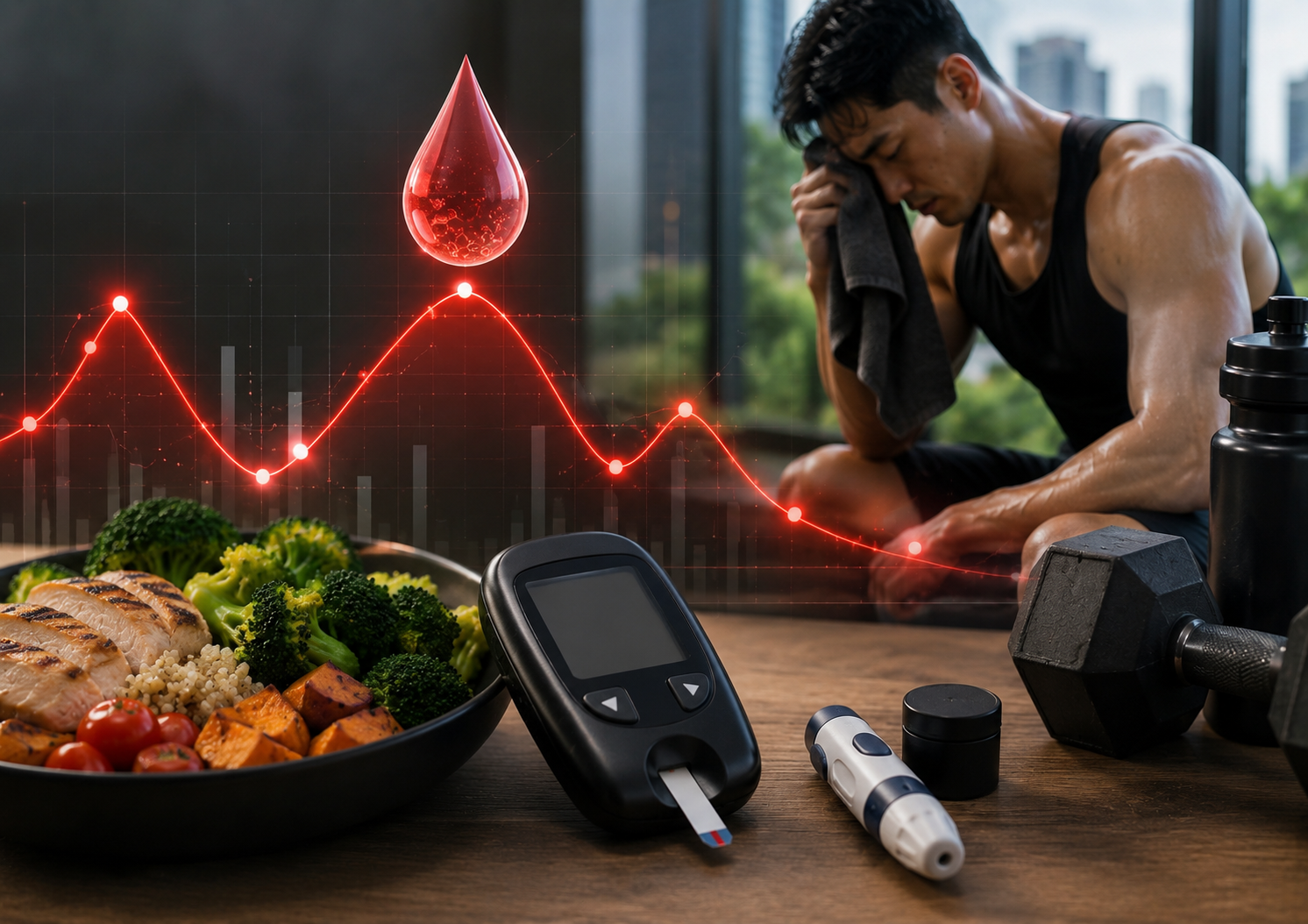
Most people focus on workouts, protein intake, and training intensity when trying to improve recovery. However, recovery involves more than muscles and diet. Your metabolic health also plays an important role in your body’s responsiveness towards physical stress, fatigue, and exercise.
Blood sugar spikes may affect energy levels, sleep quality, inflammation response, and recovery consistency. Over time, unstable blood sugar levels can influence physical performance, recovery speed, and overall wellness.
This is why more athletes, professionals, and wellness-focused individuals pay attention to metabolic wellness apart from their recovery routine.
At RAPIDÉ, recovery-focused wellness therapies like cold plunge and red light therapy are increasingly used to support recovery optimisation, stress management, and overall wellness.
What Are Blood Sugar Spikes?
Blood sugar spikes happen when glucose levels rise rapidly after eating certain foods, especially highly processed carbohydrates or sugary meals. The body responds by releasing insulin to help regulate glucose levels.
Occasional blood sugar fluctuations are normal. However, frequent spikes followed by sudden drops may affect energy, mood, focus, and recovery performance.
Many people experience these fluctuations without realising their recovery may also be affected.
According to Harvard Health Publishing, excessive sugar intake and poor carbohydrate quality may negatively affect metabolic health, highlighting the importance of maintaining better blood sugar balance.
Why Does Blood Sugar Stability Matter for Recovery?
Recovery depends on the body’s ability to restore balance after physical or mental stress. This includes muscle repair, nervous system recovery, sleep quality, and energy restoration.
When blood sugar levels fluctuate too often, the body may struggle to maintain stable energy levels throughout the day, making recovery feel inconsistent.
Frequent blood sugar spikes may contribute to:
- Energy crashes
- Fatigue
- Poor sleep quality
- Increased stress response
- Reduced recovery consistency
- Brain fog
Stable energy availability supports better recovery performance and overall metabolic wellness.
Can Blood Sugar Spikes Affect Muscle Recovery?
Yes, blood sugar fluctuations may influence several recovery-related processes in the body. Recovery is not only about resting muscles after exercise. The body also needs stable energy, proper sleep, balanced stress levels, and efficient metabolic function to recover properly.
Recovery requires energy. After exercise or physical stress, the body works to restore muscles, regulate inflammation, replenish energy stores, and support nervous system recovery. Large fluctuations in blood sugar may interfere with how consistently the body manages these processes.
When blood sugar rises rapidly and then drops quickly, many people experience energy crashes, fatigue, and reduced mental focus. This can affect how the body feels during recovery periods, especially after intense workouts or physically demanding days.
Over time, repeated blood sugar spikes may also increase stress on the body. Poor metabolic balance can contribute to:
- Increased fatigue
- Reduced recovery consistency
- Poor sleep quality
- Low energy levels
- Higher stress response
- Slower post-workout recovery feelings
Stable energy availability helps the body maintain more balanced recovery processes.
Why Does Recovery Require Stable Energy?
Muscle recovery depends on more than rest alone. The body needs steady energy availability to support tissue repair, recovery adaptation, and physical resilience.
When energy levels crash after sudden glucose spikes, many people feel:
- Drained after workouts
- Mentally fatigued
- Less physically recovered
- Low on energy throughout the day
Over time, poor metabolic balance may affect workout consistency and recovery quality.
How Can Blood Sugar Fluctuations Affect Recovery Performance?
Blood sugar instability may contribute to:
- Increased fatigue
- Slower recovery feeling
- Reduced physical readiness
- Sleep disruption
- Mental exhaustion
- Stress overload
This does not mean occasional spikes immediately damage recovery. However, long-term metabolic imbalance may make recovery less efficient.
When blood sugar levels rise and fall too quickly, the body may struggle to maintain stable energy throughout the day. Many people experience sudden energy crashes, reduced focus, and inconsistent workout performance without realising that metabolic wellness may be contributing to the problem. Over time, these fluctuations can also affect stress resilience and nervous system recovery.
Poor metabolic balance may make it harder for the body to adapt to physical stress after exercise. This is why modern recovery-focused wellness now includes metabolic wellness, nervous system recovery, sleep quality, and lifestyle balance instead of focusing only on muscle soreness or physical fatigue alone.
Why Are Athletes Paying More Attention to Metabolic Health?
Athletes and active individuals now understand that recovery is closely connected to energy management and metabolic balance.
Training creates physical stress on the body. Without proper recovery, fatigue can accumulate quickly.
Many performance-focused individuals monitor:
- Sleep quality
- Stress levels
- Recovery consistency
- Blood sugar stability
- Nervous system fatigue
This shift has increased interest in recovery optimisation and metabolic wellness strategies.
According to the National Institutes of Health (NIH), metabolic health and recovery processes are closely linked to physical performance and long-term wellness.
How Do Stress and Sleep Affect Blood Sugar and Recovery?
Stress and poor sleep quality can significantly affect metabolic wellness. When the body experiences chronic stress, cortisol levels may remain elevated for longer periods. This can affect glucose regulation, recovery balance, and energy stability.
Poor sleep may affect:
- Recovery quality
- Hunger regulation
- Stress management
- Energy recovery
- Physical performance
Over time, inconsistent sleep and chronic stress may lead to fatigue, reduced focus, slower recovery, and energy crashes throughout the day. Many people also notice reduced workout performance and increased mental exhaustion when recovery remains incomplete for extended periods. This is why recovery-focused wellness routines now place strong importance on sleep quality, nervous system recovery, and stress management as part of overall metabolic health and long-term performance optimisation.
Why Is Nervous System Recovery Important?
The nervous system helps regulate recovery, stress adaptation, energy balance, and overall physical readiness. When the body remains under constant physical or mental stress, the nervous system may struggle to recover properly. This can affect sleep quality, focus, mood, and recovery consistency over time.
When recovery remains incomplete for long periods, many people begin experiencing:
- Brain fog
- Fatigue
- Reduced focus
- Mood changes
- Poor sleep
- Slower recovery after workouts
Long-term nervous system fatigue may also affect motivation, energy levels, and daily performance. This is one reason recovery-focused wellness therapies are becoming more popular in Singapore, especially among professionals, athletes, and individuals focused on long-term wellness and performance optimisation.
Can Recovery Therapies Support Metabolic Wellness?
Recovery therapy is no longer used only for athletes. Many now use recovery-focused wellness therapies to support stress management, relaxation, circulation, and recovery optimisation.
Cold plunge therapy and red light therapy is increasingly included in wellness routines to focus on recovery and metabolic wellness.
Modern recovery therapies are also becoming popular among professionals, fitness enthusiasts, and wellness-focused individuals who want to improve energy levels and reduce daily fatigue. Consistent recovery routines may help the body manage physical and mental stress more effectively while supporting nervous system balance and overall wellness. As awareness around metabolic health grows, more people are incorporating recovery-focused therapies into their long-term wellness and performance routines.
How Cold Plunge Therapy Support Recovery?
Cold plunge therapy exposes the body to controlled cold temperatures for short periods. Many people use cold exposure to support recovery routines and improve mental resilience.
Cold exposure may help support:
- Alertness
- Recovery adaptation
- Circulation stimulation
- Stress resilience
- Post-workout recovery
Many users also report feeling mentally refreshed after cold plunge sessions.
If you want to explore guided recovery-focused sessions, book your first session.
Cold Plunge Therapy in Singapore →
How Red Light Therapy Support Recovery and Wellness?
Red light therapy is commonly used to support restorative wellness and recovery-focused routines.
This therapy uses specific wavelengths of light that may support circulation, recovery optimisation, and cellular wellness.
Many people include red light therapy in their wellness routine to support:
- Muscle recovery
- Relaxation
- Recovery consistency
- Wellness optimisation
- Post-workout recovery
Interest in red light therapy has grown rapidly among individuals focused on longevity, wellness, and recovery performance.
If you want to explore guided recovery-focused sessions, book your first session.
Red Light Therapy Sessions in Singapore →
Signs Your Recovery and Metabolic Health Need More Attention?
Many people ignore recovery warning signs until fatigue becomes difficult to manage. Recovery imbalance often develops gradually, which makes the symptoms easy to overlook in daily life.
Common signs may include:
- Energy crashes during the day
- Poor sleep quality
- Slow recovery after workouts
- Constant fatigue
- Brain fog
- Increased stress levels
- Reduced physical performance
- Feeling drained despite rest
Some people may also notice reduced motivation, difficulty concentrating, mood fluctuations, or lower workout consistency. Over time, poor recovery habits and metabolic imbalance can affect both physical and mental performance. If these symptoms happen regularly, it may help to review your recovery habits, stress levels, sleep quality, and overall metabolic wellness to support better long-term recovery and energy balance.
How Can You Support Better Recovery and Metabolic Balance?
Improving recovery often starts with small, consistent habits.
Focus on Recovery Consistency
Recovery should become part of your lifestyle instead of something used only after intense workouts.
Consistency usually matters more than intensity.
Improve Sleep and Stress Management
Quality sleep supports:
- Nervous system recovery
- Energy regulation
- Physical recovery
- Metabolic wellness
Reducing stress may also improve recovery consistency.
Build Recovery Into Your Weekly Routine
Many people now include:
- Mobility work
- Recovery-focused exercise
- Cold plunge sessions
- Red light therapy
- Breath work
- Relaxation practices
into their weekly wellness routine.
Why Do Recovery and Metabolic Wellness Matter for Long-Term Performance?
Performance is not only about pushing harder. Long-term performance also depends on recovery quality, stress management, and metabolic balance.
When recovery improves, many people notice:
- Better energy levels
- Improved focus
- Better workout consistency
- Improved resilience
- More sustainable wellness habits
Recovery-focused wellness has become an important part of modern performance optimisation and longevity-focused lifestyles.
For a deeper understanding of how recovery supports wellness and longevity, read our detailed guide: The Role of Recovery Therapy in Performance, Longevity, and Metabolic Wellness.
Frequently Asked Questions
Frequent blood sugar fluctuations may affect energy stability, recovery consistency, sleep quality, and physical performance.
Yes. Energy regulation, stress management, and recovery balance all influence physical performance and recovery quality.
Poor sleep may affect glucose regulation, stress hormones, and recovery performance.
Many people use cold plunge therapy to support recovery routines, alertness, and recovery adaptation.
Red light therapy is commonly used to support recovery optimisation, circulation, and wellness-focused recovery routines.
Recovery supports physical resilience, nervous system balance, energy management, and overall wellness consistency.
Conclusion
Recovery and metabolic wellness are closely connected. While workouts and nutrition remain important, recovery quality also depends on factors like stress management, sleep, energy balance, and metabolic health.
Frequent blood sugar spikes may influence recovery consistency, fatigue levels, and overall physical performance over time.
That is why modern recovery-focused wellness now includes strategies that support both physical recovery and metabolic wellness.
At RAPIDÉ, recovery therapies like cold plunge and red light therapy are designed to support wellness, recovery optimisation, and long-term performance-focused lifestyles.
