
Cold Plunge Therapy in Singapore
Clinician-curated cold plunge therapy in Singapore. Precision immersion protocols designed to restore, calibrate, and sustain your performance at every level.
- 0°C - 6°C
- 2 - 5 Mins
- Supports long-term lifespan
What Is Cold Plunge Therapy?
Cold plunge therapy (also referred to as ‘ice bath therapy’ or ‘cold water immersion’) is the controlled submersion of the body in cold water, typically maintained between 0°C and 6°C, for a prescribed duration of two to five minutes. It is one of the most studied recovery modalities in sports medicine and physiological research, with applications that extend well beyond elite athletics.
The practice has roots in Scandinavian, Japanese, and Nordic wellness traditions. At RAPIDÉ, it is delivered not as a cultural ritual or an endurance test, but as a precision recovery protocol: intentional, guided, and designed for people who want their recovery to be as considered as their training.
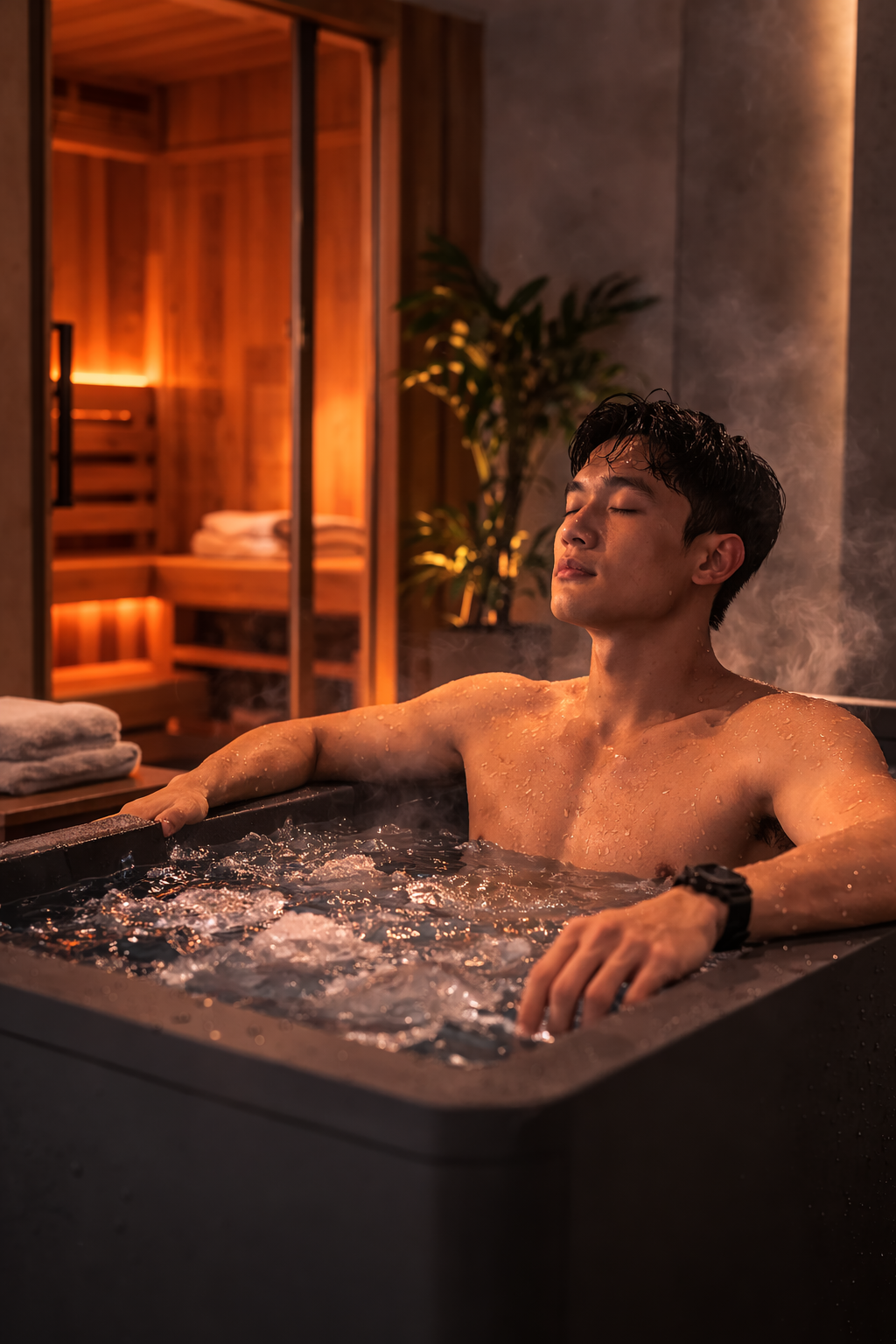
Cold Plunge Benefits
The benefits of cold plunge therapy are both immediate and cumulative. A single session produces measurable physiological changes; a consistent, prescribed protocol builds resilience, improves recovery capacity, and supports long-term healthspan.
Reduces Inflammation
Cold immersion reduces pro-inflammatory cytokine activity in muscles and joints via the vasoconstriction-and-rewarming cycle, supporting recovery from training, injury, or sustained physical demand.
Supports Faster Recovery
Ice bath therapy accelerates clearance of lactic acid and metabolic by-products from muscle tissue, reducing soreness and shortening the time needed between sessions.
Improves Blood Circulation
Repeated cycles of vasoconstriction and vasodilation condition the cardiovascular system, improving peripheral blood flow and vascular responsiveness over time.
Boosts Energy and Mental Clarity
Cold immersion stimulates a norepinephrine response that sharpens focus, elevates mood, and produces sustained energy without stimulants or supplementation.
Stress Management
Regular cold exposure trains the body’s stress-adaptation response, building physiological and psychological tolerance to stressors across all areas of daily function.
Promotes Overall Resilience and Wellness
Consistent cold plunge practice supports autonomic nervous system balance, strengthens mental discipline, and contributes to long-term resilience and wellbeing.
With the right environment and guidance, cold plunge therapy is not an ordeal. It is a ritual.
Who Benefits From Cold Plunge Therapy?
Cold plunge therapy is precision recovery. It is designed for people who take their physical and cognitive performance seriously, not exclusively for elite athletes. It is particularly relevant for:
Active individuals and athletes
Managing post-training soreness and aiming for faster recovery between sessions
High-performing professionals
Experiencing sustained cognitive fatigue, reduced focus, or difficulty switching off from work
Recovering from Physical Strain
Including postural stress, repetitive demands, or overuse
Individuals building a structured recovery practice
Seeking evidence-based recovery rather than passive rest
Those Seeking Natural, Supportive Therapies
Looking to enhance the body’s own recovery processes
Individuals focused on long-term health and longevity
Supporting cardiovascular function, resilience, and sustained performance over time
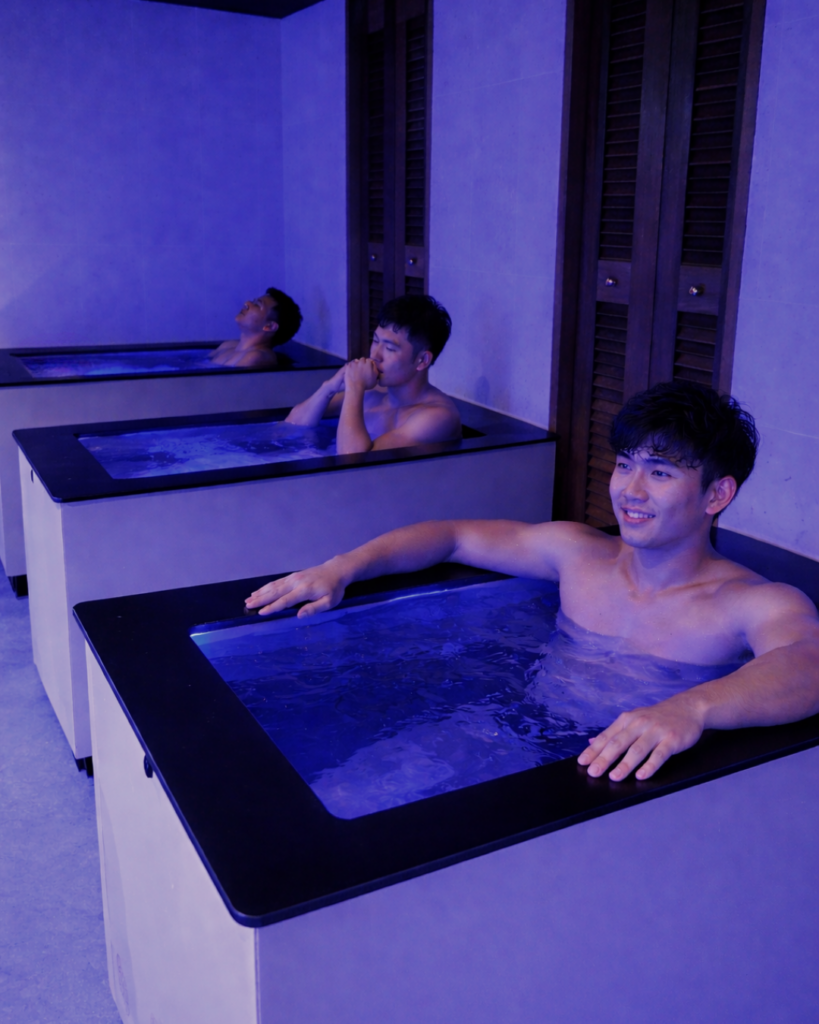
Cold Plunge Therapy for Athletes and High Performers
Inflammation management
Post-training cold immersion reduces the accumulation of pro-inflammatory cytokines in muscle tissue, supporting consistent training volume without the chronic soreness that erodes performance across a season.
Accelerated muscle recovery
Ice bath therapy clears lactic acid and metabolic by-products more rapidly than passive rest, shortening recovery windows and preserving training quality across consecutive sessions.
Contrast Therapy at RAPIDÉ: Sauna and Cold Plunge
The most complete recovery protocol does not begin or end with cold immersion alone. Contrast therapy (the deliberate alternation of heat and cold) produces a circulatory and neurological response that neither modality achieves independently.
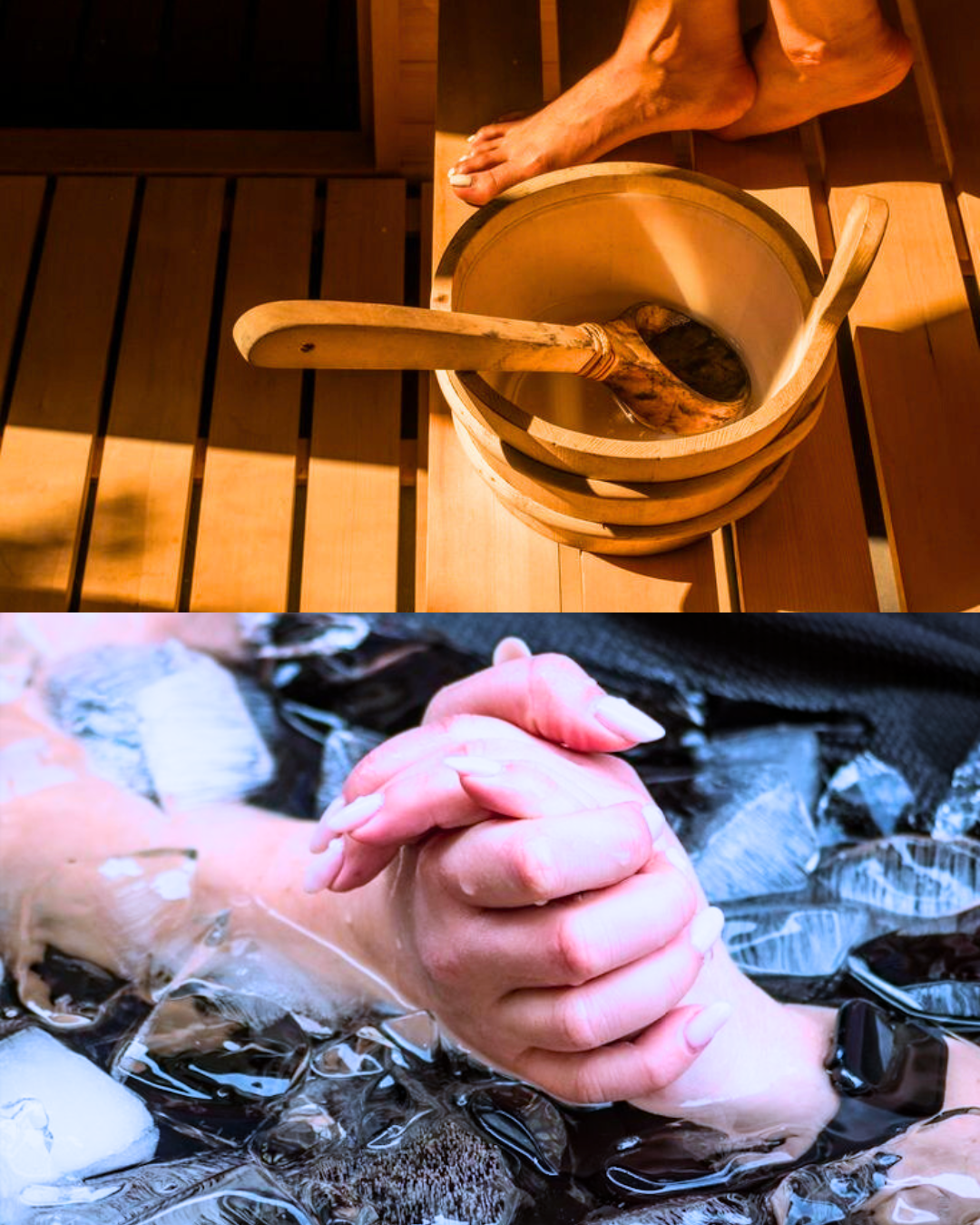
At RAPIDÉ, sauna and cold plunge sessions can be structured into a prescribed contrast therapy protocol. The heat phase, delivered in our Finnish sauna, dilates blood vessels and prepares the tissue for the cold stimulus. Transitioning to the cold plunge creates a powerful vasoconstriction-and-rewarming cycle that drives oxygenated blood through the body with greater force and efficiency than either therapy alone.
The measurable benefits of ice bath and sauna contrast therapy include:
- Improved circulation: Alternating thermal stimulus conditions the vascular system, improving peripheral blood flow and cardiovascular responsiveness.
- Faster recovery: The contrast cycle clears metabolic waste more efficiently, supporting muscle repair and reducing fatigue between sessions.
- Nervous system balance: Heat activates the parasympathetic response; cold activates the sympathetic. Used in deliberate sequence, they restore autonomic equilibrium.
- Deep relaxation: The post-session parasympathetic rebound produces a quality of calm that sustained rest rarely achieves on its own.
What to Expect During Your Cold Plunge Session
A session at RAPIDÉ is guided from the first step. The environment is private, controlled, and designed to allow your full attention on the process. Nothing about recovery should feel rushed.
Step 1
Preparation
A brief consultation ensures your session is calibrated to your current physical state, recovery goals, and any relevant health considerations before you enter the water.
Step 2
Cold Immersion
You enter the cold plunge under professional guidance. Water temperature is maintained between 0°C and 6°C, with immersion duration tailored to your experience level and the intended physiological outcome for this session.
Step 3
Breathing and Adaptation
Controlled breathing is the central skill of cold immersion. Guided breathwork slows the initial stress response, allowing the body to adapt rather than resist, extending the therapeutic benefit of each session. This is a learnable skill, not a measure of endurance.
Step 4
Recovery Phase
On exit, a structured recovery phase allows the body’s rewarming response to complete naturally. The consolidation of circulatory benefit occurs here; this step is not optional.
Step 5
Optional Contrast Therapy
For deeper recovery, your cold plunge session can extend into a full contrast therapy protocol, combining cold immersion with time in the Finnish sauna for a complete autonomic reset.
Why Choose RAPIDÉ for Cold Plunge Therapy?
RAPIDÉ is Singapore’s premier clinician-curated recovery centre. That distinction is not aesthetic; it is clinical. Every protocol, environment decision, and service at RAPIDÉ is made with one question: what produces the best measurable outcome for the person in this room?
Cold plunge therapy at RAPIDÉ is not a DIY facility or a wellness amenity. It is a guided, evidence-based recovery session delivered in a private environment built specifically for this purpose. The difference between cold immersion as a challenge and cold immersion as a protocol is expertise.
- Premium recovery environment: A dedicated Centre built for function, precision, and calm, not for volume or throughput.
- Professional guidance throughout: Our team supports every session, ensuring correct technique, appropriate duration, and safe practice from your first visit onwards.
- Multiple recovery modalities: Cold plunge therapy sits within a wider suite of clinician-curated services, including red light therapy, cryotherapy, and structured contrast therapy protocols.
- Private and considered experience: Sessions are structured to protect your focus and privacy from arrival to exit.
Safety Guidelines for Cold Plunge Therapy
Immersion duration
Two to five minutes per session is the clinically relevant therapeutic range for most individuals. Extended immersion does not produce proportionally greater benefit and may introduce unnecessary physiological stress.
Temperature precision
Water maintained between 0°C and 6°C is the established therapeutic range. Colder is not more effective; controlled precision delivers better outcomes than temperature extremity.
Know your baseline
Individuals with cardiovascular conditions, hypertension, Raynaud’s disease, or who are pregnant should consult a clinician before beginning cold immersion therapy.
Guided first sessions
The breathing response and the initial physiological shock of cold immersion are learnable skills. First-time participants benefit significantly from professional guidance; the outcome of a first session is shaped almost entirely by technique.
Frequently Asked Questions About Cold Plunge Therapy
Our cold plunge is maintained at 0°C and 6°C, the clinically established therapeutic range for recovery and cold water immersion.
Two to five minutes is the recommended range for most adults. Duration is tailored to your experience level and session goals.
Yes. All RAPIDÉ sessions are professionally guided, making cold plunge therapy accessible and safe for first-time participants.
Two to four sessions per week supports measurable recovery and resilience benefits. A clinician can advise on optimal frequency.
Avoid eating immediately before. After your session, allow the body to rewarm naturally. Hydration before and after supports recovery.
The terms describe the same practice. Both refer to controlled cold water immersion for recovery, wellness, and physiological adaptation.
Those with cardiovascular conditions, hypertension, or Raynaud's disease or who are pregnant should seek clinical guidance before beginning cold immersion.
Standard swimwear is appropriate. RAPIDÉ provides a private, comfortable environment throughout every session.
Yes. Our team will guide you through your first session, calibrating the experience to your current condition, goals, and comfort level.
Experience Cold Plunge Therapy at RAPIDÉ
Cold plunge therapy at RAPIDÉ gives you the clinical environment, professional guidance, and considered protocol to make that discipline sustainable. Your physiology is designed to respond. Give it the signal.
