The New Era of Precision Wellness
Many people track calories, workouts, and sleep, but few understand how their bodies respond to food, stress, exercise, and recovery in real time. We optimize our careers, our schedules, and our investments. Yet, for a long time, our approach to health remained frustratingly generic. We followed standard diets, logged generalized workouts, and hoped for the best.
But true health span isn’t built on averages. In 2026, the paradigm has shifted completely. Elite athletes, corporate executives, and wellness enthusiasts are turning to data-driven personalization to achieve peak performance.
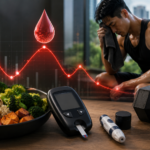
At the center of this modern health revolution is metabolic tracking and CGMs for health and performance in Singapore. By monitoring your body’s real-time fuel consumption, you remove the guesswork from your nutrition and training. The growing popularity of continuous glucose monitors (CGMs) marks a massive shift toward biohacking and recovery optimization.
This guide explores how metabolic tracking and CGMs can unlock your true physical potential, maintain your cognitive edge, and extend your biological youth.
What Is Metabolic Tracking?
Why Metabolic Health Matters More Than Ever
It is the science of measuring how your body converts food into cellular energy. Your metabolism isn’t a fixed, unchangeable speed setting; it is a dynamic, living system influenced by stress, sleep, movement, and nutrition.
Understanding your unique metabolism matters because two people can eat the exact same meal and experience completely opposite glycemic reactions. One person might experience a stable energy curve, while the other suffers a massive blood sugar spike followed by a systemic energy crash.
When you prioritize metabolic tracking, you gain a distinct daily advantage. You learn exactly what scales your cellular energy up and what drags it down, allowing for complete energy optimization. This real-time insight transforms your daily wellness, physical recovery, athletic performance, and long-term longevity.
What Does Metabolic Tracking Measure?
Traditionally, tracking your metabolic health required expensive, clinical laboratory visits. Today, biowearables allow you to analyze your physiology in real time. Modern tools provide a clear view into:
- Blood glucose levels: The immediate concentration of sugar available in your bloodstream.
- Glucose variability: The frequency and intensity of your blood sugar spikes and crashes throughout the day.
- Stress response: How psychological or physiological pressure triggers immediate glucose release.
- Sleep impact: How a poor night of rest compromises your metabolic efficiency the next morning.
- Exercise response: How your muscle utilization patterns change across different training zones.
What Is a Continuous Glucose Monitor (CGM)?
How Does a CGM Work?
For years, continuous glucose monitors (CGMs) were used exclusively for clinical diabetes management. However, the modern wellness community has repurposed this technology for preventive health, health optimization, and peak performance.
A continuous glucose monitor utilizes a small, water-resistant sensor applied directly to the back of your arm or abdomen. It uses a tiny microfilament to measure glucose levels in your interstitial the fluid between your cells, rather than your direct blood. The sensor securely transmits this data directly to your smartphone every few minutes, providing an uninterrupted stream of biometric insights.
Why Are More People Using CGMs Beyond Diabetes Management?
Observing these microscopic fluctuations provides immediate insight into metabolic flexibility for non-diabetic individuals. High-performing executives, endurance athletes, and longevity-focused individuals in Singapore leverage CGM data to track daily energetic efficiency.
Instead of waiting months for routine blood work, a glucose monitoring system delivers immediate feedback on lifestyle habits. It shifts wellness from reactive medicine to proactive, precise biohacking.
What Information Can CGM Provide?
A comprehensive blood sugar tracking routine can reveal:
- Hidden blood sugar spikes: Discovering healthy-looking meals that quietly elevate your glucose levels.
- Acute energy crashes: Pinpointing the exact physiological moment your blood sugar plummets, causing brain fog.
- Individualized meal responses: Identifying which carbohydrates support your training and which derail your metabolic wellness.
- Sleep-related glucose changes: Monitoring overnight glucose baselines tied to sleep quality and stress.
- Exercise responses & recovery trends: Tracking how quickly your body clears glucose after intense workouts.
Why Is Blood Sugar Important for Energy, Recovery, and Performance?
When it comes to sustaining mental clarity and physical output, stability is your ultimate superpower. This stability is directly measured through glucose variability, the swings and fluctuations in your blood sugar levels throughout the day.
High glucose variability looks like a volatile roller coaster: steep climbs followed by sudden, exhausting drops. These sharp crashes cause acute brain fog, intense sugar cravings, and systemic irritability. Keeping your glycemic variability minimal provides your brain and muscles with a steady, reliable stream of clean fuel. This prevents the dreaded afternoon slump and keeps your cognitive functions razor-sharp.
Can Blood Sugar Spikes Affect Recovery?
Yes, dramatically. When you experience frequent, unmitigated blood sugar spikes, you trigger chronic corporate inflammation and elevate oxidative stress. This systemic friction directly slows down your body’s ability to repair tissues.
High blood sugar fluctuations can impair localized muscle recovery by accelerating inflammation management issues. If your body is constantly fighting glucose fires, it has fewer metabolic resources to dedicate to cellular repair, protein synthesis, and clearing waste products from your tissues.
Why Stable Glucose Levels Support Better Performance?
Utilizing metabolic tracking and CGMs allows you to maintain a smoother, more controlled glucose curve. Stable blood glucose levels ensure that your mitochondria (the powerhouses of your cells) are not overwhelmed by sudden influxes of energy. This results in:
- Consistent physical energy without sudden mid-workout bonking.
- Accelerated performance recovery due to lower baseline cellular stress.
- Uninterrupted mental focus, protecting your brain from the roller coaster of corporate lifestyle choices.
How Can Metabolic Tracking Improve Recovery?
True recovery science goes far deeper than simply resting your muscles after a hard session. It encompasses the restoration of your autonomic nervous system, the stabilization of your sleep architecture, hormone balancing, and metabolic recovery.
If your internal systems are metabolically stressed, your body remains stuck in a sympathetic state. True recovery optimization requires syncing your nutritional intake with your lifestyle demands to bring your body back into a parasympathetic state efficiently.
What Can Glucose Data Reveal About Recovery?
Your glucose data acts as an early warning system for your physical state. For example, if you observe unusually high waking glucose levels or elevated baseline trends despite eating well, your data may be revealing:
- Severe sleep deprivation or poor-quality deep sleep cycles.
- Overtraining syndrome, where physical stress outpaces structural repair.
- Chronic psychological stress is driving elevated baseline cortisol.
- Poorly timed meals that force your digestive system to work overtime during your deep sleep recovery windows.
Can Metabolic Tracking Help Identify Recovery Gaps?
Absolutely. By reviewing your trends, you can easily identify critical recovery gaps before they manifest as burnout or injury:
- Energy crashes: Indicating a poor choice of pre-workout or post-workout fuel.
- Sleep disruption: Correlating late-night high-glycemic meals with elevated overnight glucose and tossing and turning.
- Stress overload: Seeing spikes during intense work meetings, revealing a need for proactive nervous system down-regulation.
- Recovery inconsistency: Identifying days where your body struggles to clear glucose, signaling that your systemic inflammation management needs attention.
How Do Athletes Use CGMs for Performance Recovery?
Modern sports nutrition is moving away from generic carb-loading toward personalized fueling strategies. Elite competitors utilize metabolic tracking for athletes to map their unique fueling requirements.
By analyzing real-time data, athletes discover the exact threshold of carbohydrates required to maximize glycogen stores without causing a sluggish, high-glycemic spike that impairs agility and endurance.
How CGM Data Can Support Training Decisions
When an athlete tracks their data over a sustained training cycle, the benefits of continuous glucose monitoring become clear. If glucose levels remain stubbornly low during endurance workouts, it signals an immediate need to adjust intra-workout nutrition.
Conversely, if glucose spikes excessively during low-intensity sessions, it can indicate elevated sympathetic stress or an over-reliance on simple sugars, allowing coaches to adjust training volume or dietary macros in real time.
Can Blood Sugar Data Improve Recovery Consistency?
Yes, tracking glucose monitoring for recovery allows for highly predictable outcomes. By observing how rapidly blood glucose levels stabilize after intense exertion, athletes can evaluate their metabolic resilience.
Faster clearance of glucose post-exercise indicates robust insulin sensitivity and an efficient transition into an anabolic recovery state. This data ensures that athlete recovery strategies are perfectly tailored to individual physiological responses, keeping performance consistent day after day.
What Is Metabolic Flexibility and Why Does It Matter?
At the core of long-term health optimization is metabolic flexibility. This is your body’s capability to switch seamlessly between burning carbohydrates and burning fats for fuel.
A metabolically flexible individual can use dietary carbs efficiently during high-intensity training, but will quickly transition to burning stored body fat during low-intensity tasks, fasting, or desk work.
Why Metabolic Flexibility Is Important for Longevity
Developing high metabolic flexibility is one of the most effective strategies for longevity wellness. As we age, mitochondrial function naturally declines, often leading to metabolic dysfunction and insulin resistance.
Maintaining metabolic flexibility ensures your cells remain sensitive to insulin signals, protecting your cardiovascular system, reducing the accumulation of visceral fat, and supporting overall healthspan expansion. According to a comprehensive clinical study published in the National Institutes of Health (NIH),(Link to: https://pubmed.ncbi.nlm.nih.gov/35135549/) short-term glucose fluctuations are highly individualized and directly tied to broader systemic health marks.
How Poor Metabolic Flexibility Affects Energy and Recovery
When you lose this adaptive ability, your body becomes entirely dependent on a constant stream of glucose. Poor metabolic flexibility frequently triggers:
- Severe energy fluctuations and a dependence on caffeine or snacks.
- Chronic fatigue because your cells struggle to access stored fat for fuel.
- Poor recovery since your body lacks steady cellular energy during prolonged fasting or sleep states.
- Reduced systemic resilience, making you more vulnerable to lifestyle stressors and metabolic dysfunction.
How Do Lifestyle Factors Affect Metabolic Health?
How Sleep Influences Blood Sugar Regulation
A single night of poor sleep can temporarily reduce your insulin sensitivity to levels mimicking pre-diabetes. When sleep is cut short or disrupted, your body struggles to clear glucose from the bloodstream. This leads to higher waking glucose levels and sharper, sustained blood sugar spikes from the exact same meals you tolerate perfectly when well-rested.
How Stress Impacts Glucose Levels
Maintaining optimal metabolic health presents a unique set of modern challenges due to our fast-paced environment. Chronic psychological stress triggers the release of cortisol and adrenaline.
These stress hormones command your liver to dump stored glucose into your bloodstream to prepare for a perceived physical threat. This happens even if you haven’t eaten a single carbohydrate, explaining why a high-pressure corporate deadline can cause a massive spike on your CGM.
Why Movement and Exercise Matter
Physical activity is the most potent lever for improving metabolic performance. When your muscles contract during exercise, they can absorb glucose directly from your blood without relying on insulin. Taking a brisk 10-minute walk immediately after a meal clears glucose efficiently, rapidly flattening out your post-meal glucose curve.
What Role Does Nutrition Play?
Singapore’s celebrated local food culture is rich in refined carbohydrates from white rice and noodles to sweet local beverages. While delicious, these high-glycemic foods can create an invisible storm of chronic glucose spikes when consumed regularly.
Practicing strategic food sequencingsuch as eating your fibers and proteins before your carbohydratescan blunt your glucose spikes, preserving your energy and protecting your blood vessels.
Can Recovery Therapies Support Metabolic Wellness?
Data without action is just noise. The true power of metabolic tracking and CGMs for health and performance lies in how you integrate your metrics with advanced physical recovery strategies. At RAPIDÉ, we build a seamless bridge between data-driven insights and physical restoration.
How Cold Plunge Therapy Supports Recovery and Metabolic Resilience
Cold exposure is a powerful tool for metabolic biohacking. Immersing yourself in a precision cold stimulus forces your body to rapidly adapt to thermal stress. This process triggers vascular constriction and dilation, creating an internal pump that accelerates systemic recovery and dampens inflammation.
Regular sessions help lower baseline systemic inflammation that can otherwise destabilize your glucose levels. Explore our dedicated Cold Plunge Therapy in Singapore to build robust metabolic resilience and master stress management.
Can Red Light Therapy Support Recovery and Cellular Wellness?
Advanced light wavelengths penetrate deep into your muscle tissues to stimulate mitochondrial health,the literal powerhouses of your cells. By optimizing your mitochondrial function, you directly improve how efficiently your cells process the glucose tracked by your CGM, turning food into usable energy rather than storing it as fat.
To optimize your body at a cellular level, complement your data tracking with our advanced Red Light Therapy in Singapore sessions.
How Finnish Sauna Sessions Support Recovery and Wellness
Did you know that strategic heat exposure can radically improve your insulin sensitivity? When your CGM signals that your body is struggling to manage glucose loads, incorporating heat stress can be highly beneficial.
The intense thermal environment stimulates heat shock proteins and enhances systemic circulation, helping your muscles clear glucose from your bloodstream efficiently. Learn more about our Finnish Sauna Therapy in Singapore to use contrast therapy to maximize your metabolic clearing effect.
Elevating Recovery via Precision Cryotherapy
For an even more intense metabolic stimulus, spending time in a specialized precision chamber forces your body to activate its brown adipose tissue (BAT). Brown fat acts as a premium metabolic furnace, burning regular white fat and glucose to generate core body heat.
Incorporating clinical-grade Cryotherapy in Singapore can significantly improve baseline metabolic rate and fasting glucose marks.
Why Is Metabolic Health Important for Longevity?
The Connection Between Metabolic Health and Healthy Aging
Longevity science indicates that aging and metabolic health are fundamentally intertwined. Chronic glucose elevation leads to advanced glycation end-products (AGEs), which damage collagen, stiffen blood vessels, and accelerate cellular aging. By maintaining a stable glycemic profile, you protect your cellular infrastructure from premature decay.
Why Prevention Is Better Than Correction
Waiting for chronic symptoms or metabolic issues to emerge before changing your lifestyle is a costly approach. Identifying subtle trends, such as declining insulin sensitivity or widening glucose variability years before clinical markers change, allows you to make minor, effortless lifestyle course corrections.
How Metabolic Tracking Supports Long-Term Wellness
Engaging in continuous glucose monitoring for wellness gives you a continuous stream of preventative data. It helps you design a highly customized lifestyle blueprint that keeps your energy stable, your mind sharp, and your body resilient against the challenges of aging.
Who Can Benefit From Metabolic Tracking?
Metabolic tracking and bio-wearables are no longer reserved solely for medical environments. A wide array of individuals can leverage this data to optimize their daily lives:
- Athletes: Seeking to maximize performance recovery and refine training fueling strategies.
- Busy Corporate Professionals: Looking to eliminate afternoon brain fog and manage stress spikes.
- Shift Workers: Aiming to steady their circadian rhythms and control nighttime blood sugar tracking Singapore anomalies.
- Wellness Enthusiasts: Wanting to cut through dietary trends and discover what foods work for their unique bodies.
- Individuals Focused on Longevity: Prioritizing healthspan expansion and long-term metabolic health.
Frequently Asked Questions About Metabolic Tracking and CGMs
The scientific measurement of how your body converts food and nutrients into usable cellular energy, tracking how variables like sleep, stress, and food alter your metabolic state.
A CGM measures glucose levels continuously within your interstitial fluid, the fluid between your cells, rather than tracking blood directly.
Not at all. Healthy individuals use them for preventative health and performance recovery to discover hidden glucose spikes, prevent chronic fatigue, and optimize body composition.
Yes. It reveals how lifestyle factors like stress, overtraining, and poor sleep affect your biochemistry, allowing you to implement targeted recovery protocols.
High glucose variability triggers energy crashes and brain fog, whereas stable blood sugar levels provide your brain and muscles with a steady stream of clean fuel.
It is your body’s capability to switch seamlessly between burning carbohydrates and burning fats for fuel, depending on intensity and nutrient availability.
By catching early insulin sensitivity changes and managing glucose variability, it prevents chronic cellular damage and supports long-term healthspan extension.
Yes. In 2026, Singapore’s elite performers, executives, and biohackers are increasingly using CGMs to navigate local high-carb diets and high-stress corporate lifestyles.
How RAPIDÉ Singapore Supports Recovery, Performance, and Metabolic Wellness
At RAPIDÉ, we specialize in translating advanced biometric data into world-class performance recovery and longevity strategies. Raw numbers can only take you so far; true health optimization requires pairing data insights with physical restoration.
Whether you are looking to clear metabolic waste through our advanced contrast therapy, activate brown fat via precision cryotherapy, or map out an individualized path to healthspan extension, our team is here to guide you.
We integrate your real-time tracking data with elite modalities like Cold Plunge Therapy, Red Light Therapy, and Finnish Sauna Therapy to help you build a resilient, high-performing physiology.
Conclusion: Take Control of Your Cellular Performance
Your health shouldn’t be a guessing game. Investing your time in metabolic tracking and CGMs gives you a clear, objective look inside your own physiology. It replaces generic health trends with precise, actionable bio-data.
Recovery, performance, energy, and longevity are deeply connected. By understanding your metabolism, you gain the power to make smarter, high-impact decisions for your long-term healthspan.
Stop guessing about your metabolic health. Partner with RAPIDÉ Singapore to pair your data insights with cutting-edge recovery strategies. Reserve your discovery session at RAPIDÉ today, and let’s unlock your true physical potential together.