Most people cool down after training. Very few people use cold as a deliberate physiological tool. The distinction matters more than most recovery conversations acknowledge.
Cryotherapy has moved well beyond sports culture. Today, it sits at the intersection of performance medicine, longevity science, and precision recovery, attracting athletes, executives, and anyone who has decided that how they recover deserves the same rigour as how they train. This guide covers the mechanism, the benefits, the safety profile, the cost, and the frequency questions that most people ask too late.
What Cryotherapy Actually Does to Your Body
The effect of cryotherapy is not simply “cold reduces inflammation.” That framing is too blunt to be useful.
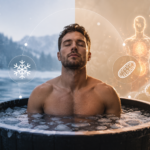
When the body is exposed to controlled sub-zero temperatures, peripheral blood vessels constrict sharply in a process called vasoconstriction. Blood is redirected away from the skin and extremities toward the core, where it is enriched with oxygen and nutrients. When the session ends and the body rewarms, vasodilation occurs: that enriched blood floods back into peripheral tissues, carrying with it the conditions for cellular repair.
Simultaneously, the acute cold stimulus activates the sympathetic nervous system, triggering a noradrenaline release that has downstream effects on mood, alertness, and pain perception. Cold therapy Singapore practitioners working within a clinical framework understand that this neurochemical response is as significant as the vascular one. The body is not simply cooled, but it is being recalibrated.
The Benefits Worth Understanding
Cryotherapy benefits are most meaningful when they are tied to a specific mechanism rather than a general claim.
Inflammation regulation:
Cold exposure at controlled temperatures reduces pro-inflammatory cytokine activity during the rewarming phase. This is particularly relevant for individuals managing chronic low-grade inflammation, a condition increasingly linked to accelerated biological ageing.
Delayed-onset muscle soreness:
The vasoconstriction-and-rewarming cycle accelerates the clearance of metabolic waste products, including lactate, from muscle tissue. Athletes using cryotherapy for recovery after high-load training sessions report measurable reduction in soreness at 24- and 48- hour marks, though individual response varies. Within structured sports recovery for athletes, cryotherapy is often integrated as part of a broader recovery protocol.
Nervous system regulation:
Acute cold exposure triggers a noradrenaline spike that improves mood stability and reduces the perception of fatigue. For high-output professionals, this is not a secondary benefit. It is often the primary one.
Sleep architecture:
Core body temperature drop is one of the physiological signals that initiates sleep onset. Cold therapy protocols, when timed correctly, can support the body’s natural thermoregulatory preparation for sleep.
None of these benefits arrive from a single session. They compound across a consistent, clinician-guided protocol.
Whole Body vs. Localised Cryotherapy
Understanding the difference between whole-body cryotherapy and localised cold therapy is essential before committing to a protocol.
Whole-body cryotherapy involves entering a cryotherapy chamber where temperatures can drop to -110°C for two to three minutes. The systemic response, vasoconstriction, noradrenaline release, and cytokine modulation, engages the entire body simultaneously. This is the modality most associated with performance recovery, inflammation management, and neurological benefits.
Localised cryotherapy directs a controlled stream of cold to a specific anatomical site: a recovering joint, a site of acute soft tissue stress, or a post-procedure area. The mechanism is more targeted, the session shorter, and the application suited to specific injury or post-treatment recovery needs.
The right choice depends on your recovery goal, your training load, and any existing clinical considerations. Neither is universally superior. Both are most effective when prescribed rather than self-selected.
At RAPIDÉ, our clinicians begin every cryotherapy session with a detailed assessment to tailor your protocol to your body and recovery goals. Our single-person whole-body chamber reaches temperatures of -85°C using fully electric technology, delivering precise, consistent cold exposure with enhanced safety and comfort without direct contact with harmful gases.
Explore our cryotherapy session in Singapore to understand how we tailor each protocol to your recovery goals.
Experience a more controlled, clinically guided approach to recovery. Speak with our team to discover the modality best suited to your goals.
Is Cryotherapy Safe?
For most healthy adults, when delivered in a controlled clinical environment with appropriate screening, yes.
The relevant contraindications are specific. Individuals with uncontrolled hypertension, Raynaud’s disease, cold urticaria, severe cardiovascular conditions, or certain circulatory disorders should not undergo cryotherapy without explicit medical clearance. Pregnancy is a standard contraindication. So are active infections or open wounds at the site of treatment.
Cryotherapy side effects in appropriately screened individuals are typically mild and transient: temporary redness, tingling, or numbness in exposed areas. Serious adverse events remain rare, but they most often occur in unsupervised, non-clinical settings where proper control of session duration and temperature is lacking.
This is where the clinical environment matters. A practitioner who screens properly, monitors throughout, and adjusts session parameters to individual physiology is not a luxury. It is the baseline requirement for this modality to be both safe and effective.
Cryotherapy Cost in Singapore and What Shapes It
Cryotherapy costs in Singapore range across providers and understanding why helps you evaluate what you are paying for.
Pricing reflects several factors: the technology in use (chamber-based whole-body systems require significant capital and maintenance), the clinical oversight model, session duration, and whether the service is delivered as a standalone treatment or within a structured recovery protocol.
A single cryotherapy session at a clinical wellness centre in Singapore will typically cost more than a session at a gym-adjacent facility. That differential is not arbitrary. It reflects the presence of trained clinicians, formal intake screening, calibrated equipment, and the integration of cryotherapy into a broader, evidence-based recovery programme.
The question to ask is not “What does one session cost?” It is “What does a protocol cost, and what does it deliver over time?” Recovery compounds. So does investment in the infrastructure that supports it.
How Often Should You Do Cryotherapy?
How often depends entirely on what your main objectives are.
Performance athletes commonly schedule one to three cryotherapy sessions per week during demanding training blocks to support acute recovery after high-intensity training. For inflammation management or general longevity maintenance, one to two sessions per week within a sustained protocol may be more appropriate.
Some high-performance individuals practice daily cryotherapy during intensive recovery periods, but this frequency requires clinical supervision and should not be self-prescribed without understanding your individual physiological response.
The most important principle:
Cryotherapy is not a treatment you do until you feel better. It is a practice you build into a recovery discipline over months and years. Sporadic sessions produce sporadic results. Consistency, calibrated to your specific goals and physiology, is where the value accumulates. New to cryotherapy? Our ultimate guide covers everything you need to know, from how it works to what it costs in Singapore.
FAQs
Cryotherapy is controlled cold exposure used to support recovery, reduce inflammation, and regulate the nervous system through a precise physiological stimulus.
Whole body sessions typically last two to three minutes.
Most people find it intense but tolerable. The cold is dry, not wet, which makes it more manageable than ice immersion of a similar temperature.
Those with uncontrolled hypertension, cold urticaria, Raynaud’s disease, or serious cardiovascular conditions or who are pregnant, should seek medical clearance first.
Minimal clothing is standard: underwear, dry socks, gloves, a face mask, and ear protection. All items must be completely dry before entering the chamber.
Gloves, shoe covers, face mask and ear protection will be given during your session at RAPIDÉ.
Some effects, such as improved alertness and reduced muscle soreness, can be felt within hours. Cumulative benefits build over a consistent protocol.
Only with specific approval from your medical physician. Post-surgical application may be appropriate in some cases, but it requires professional assessment.
Cold exposure supports thermoregulatory processes associated with sleep onset. Timing your session appropriately relative to bedtime may enhance this effect.
Cryotherapy uses dry, nitrogen-cooled air at far lower temperatures for a shorter duration. The physiological stimulus is comparable; the experience and precision differ significantly.
A clinical assessment with a qualified practitioner is the only reliable way to determine whether cryotherapy fits your recovery needs and health profile.
Cold exposure, applied with precision and consistency, is one of the most clinically substantiated recovery tools available. Not because it is new, but because the physiology it engages is as fundamental as the body itself.
Recovery is a discipline. Cryotherapy, within the right protocol, is one of its most powerful instruments.
Book your first session at RAPIDÉ and begin a recovery practice built to last.