Logo
  • SERVICES
  • BLOGS
  • ABOUT US
  • MEMBERSHIP PLANS
  • CORPORATE
  • The Complete Guide to Cryotherapy in Singapore: Benefits, Safety and Cost

    Most people cool down after training. Very few people use cold as a deliberate physiological tool. The distinction matters more than most recovery conversations acknowledge.

    Cryotherapy has moved well beyond sports culture. Today, it sits at the intersection of performance medicine, longevity science, and precision recovery, attracting athletes, executives, and anyone who has decided that how they recover deserves the same rigour as how they train. This guide covers the mechanism, the benefits, the safety profile, the cost, and the frequency questions that most people ask too late.

    What Cryotherapy Actually Does to Your Body

    The effect of cryotherapy is not simply “cold reduces inflammation.” That framing is too blunt to be useful.

    When the body is exposed to controlled sub-zero temperatures, peripheral blood vessels constrict sharply in a process called vasoconstriction. Blood is redirected away from the skin and extremities toward the core, where it is enriched with oxygen and nutrients. When the session ends and the body rewarms, vasodilation occurs: that enriched blood floods back into peripheral tissues, carrying with it the conditions for cellular repair.

    Simultaneously, the acute cold stimulus activates the sympathetic nervous system, triggering a noradrenaline release that has downstream effects on mood, alertness, and pain perception. Cold therapy Singapore practitioners working within a clinical framework understand that this neurochemical response is as significant as the vascular one. The body is not simply cooled, but it is being recalibrated.

    The Benefits Worth Understanding

    Cryotherapy benefits are most meaningful when they are tied to a specific mechanism rather than a general claim.

    Inflammation regulation:

    Cold exposure at controlled temperatures reduces pro-inflammatory cytokine activity during the rewarming phase. This is particularly relevant for individuals managing chronic low-grade inflammation, a condition increasingly linked to accelerated biological ageing.

    Delayed-onset muscle soreness:

    The vasoconstriction-and-rewarming cycle accelerates the clearance of metabolic waste products, including lactate, from muscle tissue. Athletes using cryotherapy for recovery after high-load training sessions report measurable reduction in soreness at 24- and 48- hour marks, though individual response varies. Within structured sports recovery for athletes, cryotherapy is often integrated as part of a broader recovery protocol.

    Nervous system regulation:

    Acute cold exposure triggers a noradrenaline spike that improves mood stability and reduces the perception of fatigue. For high-output professionals, this is not a secondary benefit. It is often the primary one.

    Sleep architecture:

    Core body temperature drop is one of the physiological signals that initiates sleep onset. Cold therapy protocols, when timed correctly, can support the body’s natural thermoregulatory preparation for sleep.

    None of these benefits arrive from a single session. They compound across a consistent, clinician-guided protocol.

    Whole Body vs. Localised Cryotherapy

    Understanding the difference between whole-body cryotherapy and localised cold therapy is essential before committing to a protocol.

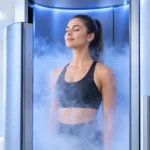
    Whole-body cryotherapy involves entering a cryotherapy chamber where temperatures can drop to -110°C for two to three minutes. The systemic response, vasoconstriction, noradrenaline release, and cytokine modulation, engages the entire body simultaneously. This is the modality most associated with performance recovery, inflammation management, and neurological benefits.

    Localised cryotherapy directs a controlled stream of cold to a specific anatomical site: a recovering joint, a site of acute soft tissue stress, or a post-procedure area. The mechanism is more targeted, the session shorter, and the application suited to specific injury or post-treatment recovery needs.

    The right choice depends on your recovery goal, your training load, and any existing clinical considerations. Neither is universally superior. Both are most effective when prescribed rather than self-selected.

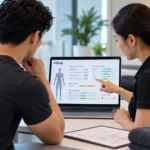
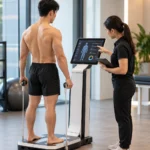
    At RAPIDÉ, our clinicians begin every cryotherapy session with a detailed assessment to tailor your protocol to your body and recovery goals. Our single-person whole-body chamber reaches temperatures of -85°C using fully electric technology, delivering precise, consistent cold exposure with enhanced safety and comfort without direct contact with harmful gases.

    Explore our cryotherapy session in Singapore to understand how we tailor each protocol to your recovery goals.

    Experience a more controlled, clinically guided approach to recovery. Speak with our team to discover the modality best suited to your goals.

    Is Cryotherapy Safe?

    For most healthy adults, when delivered in a controlled clinical environment with appropriate screening, yes.

    The relevant contraindications are specific. Individuals with uncontrolled hypertension, Raynaud’s disease, cold urticaria, severe cardiovascular conditions, or certain circulatory disorders should not undergo cryotherapy without explicit medical clearance. Pregnancy is a standard contraindication. So are active infections or open wounds at the site of treatment.

    Cryotherapy side effects in appropriately screened individuals are typically mild and transient: temporary redness, tingling, or numbness in exposed areas. Serious adverse events remain rare, but they most often occur in unsupervised, non-clinical settings where proper control of session duration and temperature is lacking.

    This is where the clinical environment matters. A practitioner who screens properly, monitors throughout, and adjusts session parameters to individual physiology is not a luxury. It is the baseline requirement for this modality to be both safe and effective.

    Cryotherapy Cost in Singapore and What Shapes It

    Cryotherapy costs in Singapore range across providers and understanding why helps you evaluate what you are paying for.

    Pricing reflects several factors: the technology in use (chamber-based whole-body systems require significant capital and maintenance), the clinical oversight model, session duration, and whether the service is delivered as a standalone treatment or within a structured recovery protocol.

    A single cryotherapy session at a clinical wellness centre in Singapore will typically cost more than a session at a gym-adjacent facility. That differential is not arbitrary. It reflects the presence of trained clinicians, formal intake screening, calibrated equipment, and the integration of cryotherapy into a broader, evidence-based recovery programme.

    The question to ask is not “What does one session cost?” It is “What does a protocol cost, and what does it deliver over time?” Recovery compounds. So does investment in the infrastructure that supports it.

    How Often Should You Do Cryotherapy?

    How often depends entirely on what your main objectives are.

    Performance athletes commonly schedule one to three cryotherapy sessions per week during demanding training blocks to support acute recovery after high-intensity training. For inflammation management or general longevity maintenance, one to two sessions per week within a sustained protocol may be more appropriate.

    Some high-performance individuals practice daily cryotherapy during intensive recovery periods, but this frequency requires clinical supervision and should not be self-prescribed without understanding your individual physiological response.

    The most important principle:

    Cryotherapy is not a treatment you do until you feel better. It is a practice you build into a recovery discipline over months and years. Sporadic sessions produce sporadic results. Consistency, calibrated to your specific goals and physiology, is where the value accumulates. New to cryotherapy? Our ultimate guide covers everything you need to know, from how it works to what it costs in Singapore.

    FAQs

    What is cryotherapy?

    Cryotherapy is controlled cold exposure used to support recovery, reduce inflammation, and regulate the nervous system through a precise physiological stimulus.

    How long does a cryotherapy session last?

    Whole body sessions typically last two to three minutes.

    Is cryotherapy painful?

    Most people find it intense but tolerable. The cold is dry, not wet, which makes it more manageable than ice immersion of a similar temperature.

    Who should not do cryotherapy?

    Those with uncontrolled hypertension, cold urticaria, Raynaud’s disease, or serious cardiovascular conditions or who are pregnant, should seek medical clearance first.

    What should I wear during whole-body cryotherapy?

    Minimal clothing is standard: underwear, dry socks, gloves, a face mask, and ear protection. All items must be completely dry before entering the chamber.

    Gloves, shoe covers, face mask and ear protection will be given during your session at RAPIDÉ.

    How soon will I feel the benefits?

    Some effects, such as improved alertness and reduced muscle soreness, can be felt within hours. Cumulative benefits build over a consistent protocol.

    Can I do cryotherapy after surgery?

    Only with specific approval from your medical physician. Post-surgical application may be appropriate in some cases, but it requires professional assessment.

    Does cryotherapy help with sleep?

    Cold exposure supports thermoregulatory processes associated with sleep onset. Timing your session appropriately relative to bedtime may enhance this effect.

    How is whole-body cryotherapy different from an ice bath?

    Cryotherapy uses dry, nitrogen-cooled air at far lower temperatures for a shorter duration. The physiological stimulus is comparable; the experience and precision differ significantly.

    How do I know if cryotherapy is right for me?

    A clinical assessment with a qualified practitioner is the only reliable way to determine whether cryotherapy fits your recovery needs and health profile.

    Cold exposure, applied with precision and consistency, is one of the most clinically substantiated recovery tools available. Not because it is new, but because the physiology it engages is as fundamental as the body itself.

    Recovery is a discipline. Cryotherapy, within the right protocol, is one of its most powerful instruments.

    Book your Cryotherapy session at RAPIDÉ

    The Ultimate Guide to Recovery Therapy in Singapore

    Modern bodies are under constant strain. Long office hours, intense training schedules, poor posture, and chronic stress all overload the nervous system and musculoskeletal structures. A common real-life example involves professionals who train hard yet recover poorly, leading to persistent fatigue, joint pain, and reduced performance.

    Structured recovery corrects this imbalance. Evidence-based recovery therapy improves muscle recovery, regulates inflammation, restores mobility, and protects long-term health. At RAPIDÉ, recovery is clinically guided. Every modality is chosen for measurable physiological benefit, not trend appeal.

    This guide explains how each recovery service works and who benefits most.

    What Is Recovery Therapy And Why Does The Body Need It?

    Recovery therapy is a structured clinical approach to restoring tissues after stress. Recovery therapy is a structured clinical approach to restoring tissues after physical, neurological, and metabolic stress. It plays a critical role in muscle recovery, sports recovery, and overall physical performance, particularly in high-demand environments like Singapore.

    It targets:

    • Micro-tears in muscle fibers
    • Nervous system fatigue
    • Joint compression
    • Inflammatory buildup
    • Poor circulation

    During exercise or prolonged physical strain, the body accumulates micro-damage and metabolic waste. Without proper recovery, these stressors remain unresolved, leading to prolonged soreness, reduced mobility, and delayed muscle recovery time.

    How can muscles recover faster? The answer lies in combining structured recovery methods with clinically guided interventions rather than relying on passive rest alone.

    Without adequate recovery, repeated strain leads to overuse of injuries such as tendinopathy, joint degeneration, and chronic muscular tightness. This is frequently observed in both athletes and professionals who maintain high physical or mental workloads without prioritising holistic recovery.

    Clinical recovery supports:

    • Faster muscle recovery and tissue repair
    • Pain reduction and inflammation control
    • Mobility restoration and flexibility improvement
    • Improved circulation and oxygen delivery
    • Nervous system reset and stress regulation

    In advanced rehab centres and leading wellness centre environments, recovery is treated as an essential part of performance, not an optional add-on. Structured recovery therapy enhances resilience, reduces injury risk, and improves long-term outcomes.

    Each RAPIDÉ therapy addresses a different biological pathway, from cold therapy for muscle recovery to movement-based rehabilitation and cellular repair. Together, they form a complete recovery ecosystem designed for effective performance recovery and sustainable health.

    How Does Cold Plunge Therapy Support Recovery?

    Cold plunge exposure activates cold shock proteins and reduces inflammatory signaling. During cold plunge therapy, blood vessels constrict, limiting swelling and tissue stress. Once the body rewarms, circulation increases sharply, helping deliver oxygen and nutrients to damaged muscles. This vascular response plays a key role in faster muscle recovery and improved sports recovery outcomes.

    In addition, cold therapy for muscle recovery helps regulate the nervous system, reducing fatigue and improving overall recovery efficiency. It is particularly effective for individuals looking for solutions on how to recover sore muscles faster after intense activity.

    Key benefits:

    • Reduced delayed onset muscle soreness
    • Improved circulation
    • Inflammation control
    • Enhanced dopamine regulation
    • Immune response stimulation

    Who benefits from ice bath sessions?

    • Athletes in high-volume training cycles
    • Gym-goers with muscle fatigue
    • Individuals with inflammatory joint pain
    • Professionals experiencing stress overload

    A cold plunge or ice bath creates a rapid anti-inflammatory effect. Research shows cold immersion reduces post-exercise inflammation and supports neuromuscular recovery, making it one of the most effective methods for performance recovery and reducing muscle recovery time.

    Experience guided cold therapy under clinical supervision

    Explore Our Cold Plunge Therapy

    Is Cryotherapy Different From Ice Bath?

    Yes. Cryotherapy exposes the body to ultra-cold air for short durations, typically in a controlled chamber. Unlike water immersion, cryotherapy produces rapid skin cooling without deep tissue saturation, making it a more time-efficient option for performance recovery.

    This controlled exposure triggers several physiological responses that support muscle recovery and overall sports recovery. It is particularly useful for individuals seeking faster recovery without prolonged cold exposure.

    This stimulates:

    • Endorphin release
    • Pain modulation
    • Anti-inflammatory signaling
    • Metabolic activation

    In addition, cryotherapy sessions help regulate the nervous system and reduce fatigue, making it beneficial for those looking for effective recovery for muscle pain.

    Cryotherapy is useful for:

    • Acute sports injury recovery
    • Systemic inflammation
    • Chronic fatigue
    • Neuropathic pain sensitivity

    Sessions are brief but highly effective. Although they last only a few minutes, they trigger strong neurovascular responses that support faster muscle recovery time and improved recovery efficiency.

    For individuals asking how to recover muscles faster, cryotherapy offers a targeted and clinically controlled solution.

    Try cryotherapy for precise, efficient, and safe recovery support.

    Explore Our Cryotherapy 

    Why Use Finnish Sauna For Heat Recovery?

    Heat therapy complements cold exposure and plays a key role in recovery therapy. Finnish sauna increases core body temperature and promotes vasodilation, which enhances blood circulation and supports faster muscle recovery. Improved circulation helps deliver oxygen and nutrients to tissues while assisting in the removal of metabolic waste.

    In addition, heat exposure supports nervous system relaxation, making it an effective component of holistic recovery and performance recovery, especially for individuals under physical or mental stress.

    Clinical benefits include:

    • Muscle relaxation
    • Cardiovascular conditioning
    • Detoxification support
    • Parasympathetic nervous activation

    Regular sauna use can also improve recovery efficiency for those seeking answers to how to recover sore muscles faster, particularly when combined with other recovery modalities.

    Sauna therapy is effective for:

    • Muscle stiffness
    • Chronic joint tightness
    • Stress-induced fatigue
    • Sleep disturbances

    By supporting both physical and neurological recovery, sauna therapy is widely used in advanced wellness sanctuary environments and rehab centers as part of structured body recovery therapy programs.

    Explore Our Finnish Sauna

    Can Red Light Therapy Accelerate Cellular Healing?

    Yes. Red light therapy, also known as photobiomodulation therapy, uses specific wavelengths of light to stimulate mitochondrial energy production within cells. This process enhances cellular function and supports faster muscle recovery and tissue repair.

    Mitochondria generate ATP (Adenosine Triphosphate), which acts as the primary energy source for healing. When ATP production increases, the body repairs damaged tissues more efficiently, making this therapy highly effective for performance recovery and reducing muscle recovery time.

    In addition, infrared light therapy penetrates deeper tissue layers, supporting circulation, reducing inflammation, and promoting long-term holistic recovery.

    Evidence-based red light therapy benefits:

    • Collagen synthesis stimulation
    • Inflammation reduction
    • Tissue repair acceleration
    • Skin regeneration
    • Nerve recovery support

    This makes it a valuable option for individuals seeking advanced recovery for muscle pain and cellular-level healing.

    Applications include:

    • For skin repair
    • Hair stimulation
    • Joint inflammation
    • Wound healing

    Widely used in modern wellness sanctuary settings and clinical environments, red light therapy supports both recovery and preventive care.

    Explore Our Red Light Therapy

    How Does Physiotherapy Restore Movement?

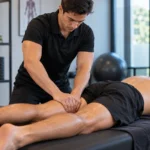
    Physiotherapy treatment is a core component of structured recovery therapy, designed to restore movement, reduce pain, and improve functional capacity through evidence-based clinical rehabilitation. It plays a critical role in muscle recovery, sports recovery, and long-term injury prevention.

    A qualified physiotherapist conducts a detailed movement assessment to identify the root cause of dysfunction rather than only treating symptoms. This ensures targeted and sustainable recovery outcomes.

    Treatment may include: 

    • Manual therapy
    • Exercise therapy
    • Movement assessment
    • Neuromuscular retraining
    • Electrotherapy

    These methods are commonly used in advanced rehab centers to support effective body recovery therapy and improve overall mobility.

    Common conditions treated:

    • Back pain physiotherapy
    • Neck & shoulder pain therapy
    • Sports injury recovery
    • Joint pain treatment

    Sports physiotherapy combines rehabilitation with performance recovery, helping individuals safely return to activity while improving strength, stability, and movement control.

    Explore Our Physiotherapy

    What Is Clinically Guided Pilates And How Is It Different?

    Clinically guided pilates integrates physiotherapy principles with controlled, low-impact movement training. Unlike general fitness classes, it is designed as part of structured recovery therapy, focusing on safe rehabilitation, muscle recovery, and long-term movement correction.

    A physio-led pilates session is tailored based on individual assessment, making it suitable for both injury rehabilitation and performance recovery. This approach ensures that exercises are precise, controlled, and aligned with clinical goals.

    It emphasises:

    • Spine alignment
    • Core stability
    • Posture alignment
    • Injury-safe strengthening

    This makes it an essential component of body recovery therapy, especially for individuals recovering from injury or managing chronic pain.

    Benefits of clinical pilates:

    • Mobility improvement
    • Posture correction
    • Musculoskeletal health
    • Functional strength training
    • Safe return to activity

    Pilates for rehabilitation is particularly effective for conditions such as disc injuries, shoulder instability, and pelvic imbalance. It also supports individuals searching for solutions on how to recover muscles faster through controlled and progressive movement.

    Widely used in modern wellness sanctuary settings and rehab centres, clinical pilates bridges the gap between physiotherapy and performance training.

    What To Expect During A Pilates Session?

    A clinically guided pilates session at RAPIDÉ is structured, precise, and outcome focused. It is designed to improve muscle recovery, enhance movement quality, and support long-term performance recovery. Each session begins with a brief assessment to ensure exercises are aligned with your current physical condition and recovery goals.

    Training is progressive rather than random, allowing safe improvement in strength, control, and coordination. This approach is widely used in rehab centers and advanced wellness sanctuary environments to support effective body recovery therapy.

    Key training elements include:

    • Strength training
    • Mobility and stability training
    • Movement optimisation
    • Performance enhancement
    • Functional strength training

    These elements work together to improve movement efficiency and reduce the risk of injury, especially for individuals involved in regular training or recovering from physical strain.

    This environment supports:

    • Muscle building
    • Joint resilience
    • Athletic development
    • Posture reinforcement

    Over time, structured sessions help improve sports recovery, support better alignment, and recover muscles faster through controlled, evidence-based movement.

    Explore Our Clinical Reformer Pilates

    Why Choose A Private Recovery Suite?

    Effective recovery therapy requires more than physical treatment. It also depends on nervous system regulation. A private recovery suite provides a controlled, low-stimulation environment that allows the body to shift into a parasympathetic state, which is essential for muscle recovery, mental restoration, and overall holistic recovery.

    In high-performance environments like Singapore, constant stress can delay muscle recovery time and reduce recovery efficiency. A dedicated recovery space helps interrupt this cycle and supports both physical and neurological healing.

    It supports:

    • Deep relaxation therapy
    • Parasympathetic activation
    • Stress hormone reduction
    • Post-workout recovery

    This environment enhances performance recovery by allowing the body to repair without external stressors, making it a valuable component of structured body recovery therapy.

    Ideal for:

    • Executives under chronic stress
    • Athletes in recovery cycles
    • Individuals with burnout symptoms

    Widely adopted in premium wellness sanctuary settings and advanced rehab centers, private recovery suites provide a quiet, focused space for complete restoration.

    Explore Our Private Recovery Suite

    Who Should Prioritise Structured Recovery?

    Structured recovery therapy is essential for individuals exposed to repeated physical or mental stress. It supports faster muscle recovery, improves movement quality, and reduces the risk of long-term injury or degeneration.

    In modern urban environments like Singapore, both active individuals and sedentary professionals experience delayed muscle recovery time due to lifestyle demands. A structured approach to body recovery therapy ensures the body adapts safely and efficiently.

    Structured recovery benefits:

    • Competitive athletes require consistent sports recovery
    • Office professionals with postural strain and limited mobility
    • Chronic pain patients need guided rehabilitation
    • High-stress executives experiencing fatigue and burnout
    • Aging adults aiming to protect joint health and mobility

    For those searching how to recover muscles faster or manage ongoing discomfort, clinically guided recovery offers a reliable and evidence-based solution.

    Recovery should not be treated as an occasional activity. It functions as preventive care, reducing long-term degeneration, improving resilience, and supporting sustainable performance recovery within a structured wellness sanctuary or clinical environment.

    Conclusion

    Performance without recovery creates a breakdown. Evidence-based recovery restores balance, preserves mobility, and protects long-term health.

    RAPIDÉ delivers clinically supervised recovery using cold plunge, cryotherapy, Finnish sauna, physiotherapy, clinical pilates, red light therapy, structured performance training, and private restoration environments.

    FAQs

    What is recovery therapy?

    Recovery therapy is a structured approach to restoring the body after physical stress, injury, or fatigue. It improves muscle recovery, reduces inflammation, and supports long-term performance and mobility.

    What are the best recovery methods for athletes?

    The best recovery methods for athletes include cold therapy for muscle recovery, physiotherapy, cryotherapy, mobility training, and rest. A combined approach improves sports recovery and prevents injury.

    How can I recover from sore muscles faster?

    To recover sore muscles faster, use ice therapy for muscle recovery, stay hydrated, and incorporate stretching or physiotherapy. Structured body recovery therapy significantly reduces recovery time.

    What is the average muscle recovery time?

    Typical muscle recovery time ranges from 24 to 72 hours for mild soreness to several weeks for injuries. Proper recovery therapy helps speed up healing and reduces downtime.

    What types of recovery therapy are available?

    Common types of recovery therapy include cold plunge, cryotherapy, physiotherapy, sauna therapy, red light therapy, and clinical pilates. These support holistic recovery and performance optimisation.

    Is cold therapy for muscle recovery effective?

    Yes, cold therapy for muscle recovery reduces inflammation and muscle soreness. It is widely used in sports recovery to improve circulation and accelerate healing.

    What is the best recovery for muscle pain?

    The best recovery for muscle pain includes physiotherapy, cryotherapy, red light therapy, and cold plunge. These therapies target inflammation and improve muscle recovery.

    Book your session at RAPIDÉ and take the next step towards better recovery, wellness, and performance.